How Can Neuroplasticity Rewire the Anxious Brain and Break the Anxiety Cycle? Anxiety Skills #21
TL;DR
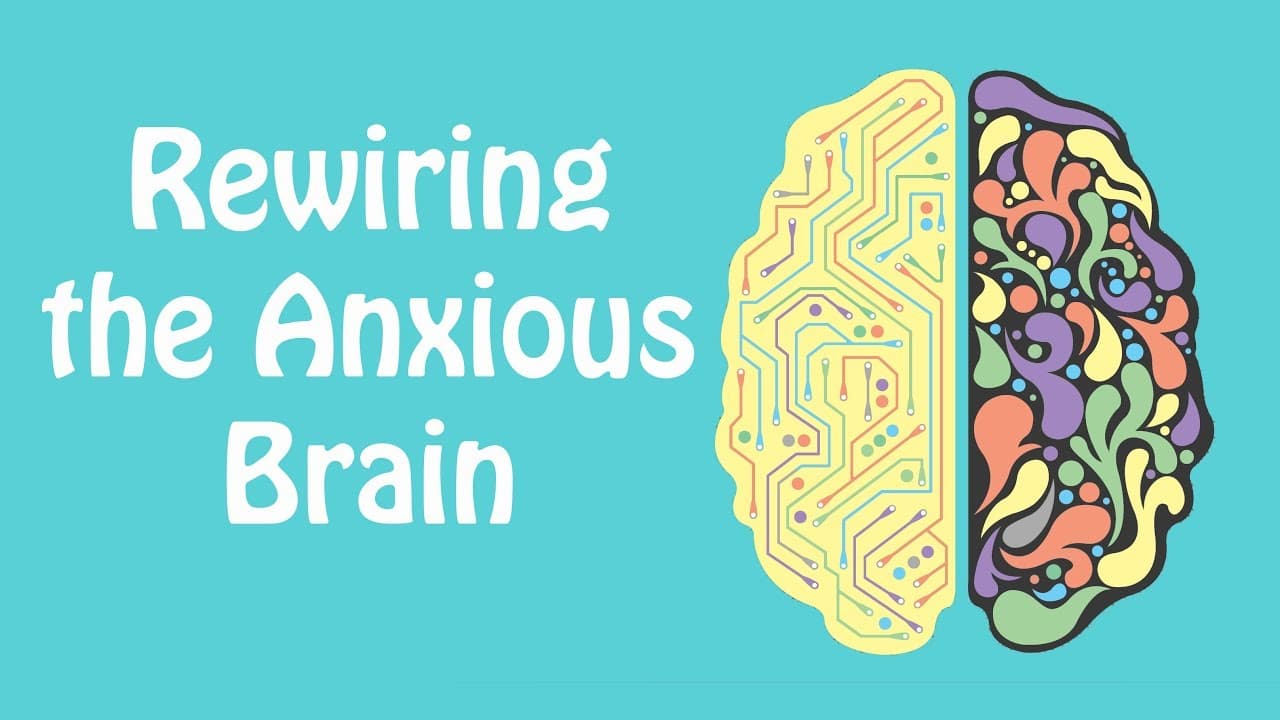
You can rewire your brain to reduce anxiety by gradually facing safe situations you fear instead of avoiding them. Neuroplasticity allows repeated experiences to create new neural pathways, while avoidance reinforces the brain’s belief that a perceived threat is dangerous. An exposure hierarchy, changed thought patterns, and willingness to tolerate discomfort can weaken this anxiety cycle over time. Read on for practical ways to apply these principles.
Transcript
So here is the amazing thing about your brain, it's made to rewire itself all the time. This is called neuroplasticity. Scientists used to think that after childhood our brain was pretty much locked in place, but now that we have better imaging technology, we can literally see how the brain changes depending on how we use it. So, in this video I'm ... Read More
Key Insights
- Neuroplasticity is the brain's ability to rewire itself based on experiences.
- Anxiety is not inherently bad; it serves to alert us to important situations.
- Disordered anxiety occurs when perceived danger doesn't match actual safety.
- Avoidance reinforces anxiety by falsely confirming perceived threats.
- The anxiety cycle involves interpreting experiences as safe or dangerous.
- Exposure therapy helps rewire the brain by facing fears gradually.
- Willingness to experience discomfort is key to overcoming anxiety.
- Changing thought patterns can be a powerful tool in managing anxiety.
Install to Summarize YouTube Videos and Get Transcripts
Explore YouTube Video Summarizer or Get YouTube Transcript Extractor
Questions & Answers
Q: How can you rewire your brain to reduce anxiety?
Gradually face situations that trigger anxiety but are actually safe instead of escaping or avoiding them. Repeated exposure gives the brain new experiences from which it can form neural pathways that weaken the anxiety cycle and expand your comfort zone.
Q: What is neuroplasticity?
Neuroplasticity is the brain’s ability to rewire itself according to how it is used. The transcript illustrates this with London taxi drivers whose brain images showed new neural connections after a two-year process of memorizing the city’s streets, events, and locations.
Q: What is the anxiety cycle?
The anxiety cycle begins when you interpret an experience as dangerous, feel fear or panic, and escape. The resulting relief teaches your brain that avoidance kept you safe, so it increases anxiety the next time you encounter the situation.
Q: Why does avoidance make anxiety stronger?
When you avoid a perceived threat and nothing bad happens, your brain may conclude that escaping prevented harm. It then reinforces that response with neural pathways and raises your anxiety around similar situations.
Q: When does anxiety become disordered?
Anxiety can be disordered when you feel endangered despite being safe or when anxiety and avoidance interfere with your ability to function. Examples include avoiding school, calling in sick to work, staying home, or withdrawing from friends.
Q: Is anxiety always bad?
No. Anxiety serves an important function by motivating people to avoid real danger or prepare for something important, such as an upcoming test. Viewing it as uncomfortable but acceptable can create new ways to work with it.
Q: How does exposure therapy help reduce anxiety?
Exposure therapy involves gradually facing feared situations so the brain can learn that a perceived threat is not actually dangerous. Repeating this process can reduce anxiety over time and expand the person’s comfort zone.
Q: How can an exposure hierarchy help with anxiety?
An exposure hierarchy breaks a fear into manageable steps, beginning with situations that provoke less anxiety. Gradually working through those steps while accepting discomfort helps build willingness to face fears and gives the brain repeated opportunities to learn safety.
Summary & Key Takeaways
-
Neuroplasticity allows the brain to rewire itself based on experiences, enabling changes in structure and chemistry. Understanding anxiety as a natural response, rather than inherently bad, helps in managing it effectively. The anxiety cycle can be broken by facing fears through exposure therapy, reducing avoidance behaviors, and altering thought patterns.
-
Disordered anxiety arises when perceived threats don't align with actual safety, leading to avoidance behaviors that reinforce anxiety. By gradually exposing oneself to fears and practicing willingness to experience discomfort, individuals can decrease anxiety levels and expand their comfort zones.
-
The video emphasizes the importance of facing fears to rewire the anxious brain. By creating an exposure hierarchy and practicing willingness to face discomfort, individuals can gradually reduce anxiety. Changing thought patterns and understanding the anxiety cycle are crucial steps in managing anxiety effectively.
Read in Other Languages (beta)
Share This Summary 📚
Summarize YouTube Videos and Get Video Transcripts with 1-Click
Try YouTube Summary with ChatGPT & Claude or YouTube Transcript Generator
Explore More Summaries from Therapy in a Nutshell 📚






Summarize YouTube Videos and Get Video Transcripts with 1-Click
Try YouTube Summary with ChatGPT & Claude or YouTube Transcript Generator