How to Build a Faceless YouTube Channel That Grows
TL;DR
Choose a focused niche by finding high-volume, low-competition keywords, then validate ideas against videos currently outperforming for other creators. Build recognizable packaging, prioritize clear audio and clean visuals, publish consistently, and use retention, click-through rate, and comments to guide future topics. Revenue can extend beyond ads through affiliates, digital products, sponsorships, memberships, merchandise, and licensing.
Transcript
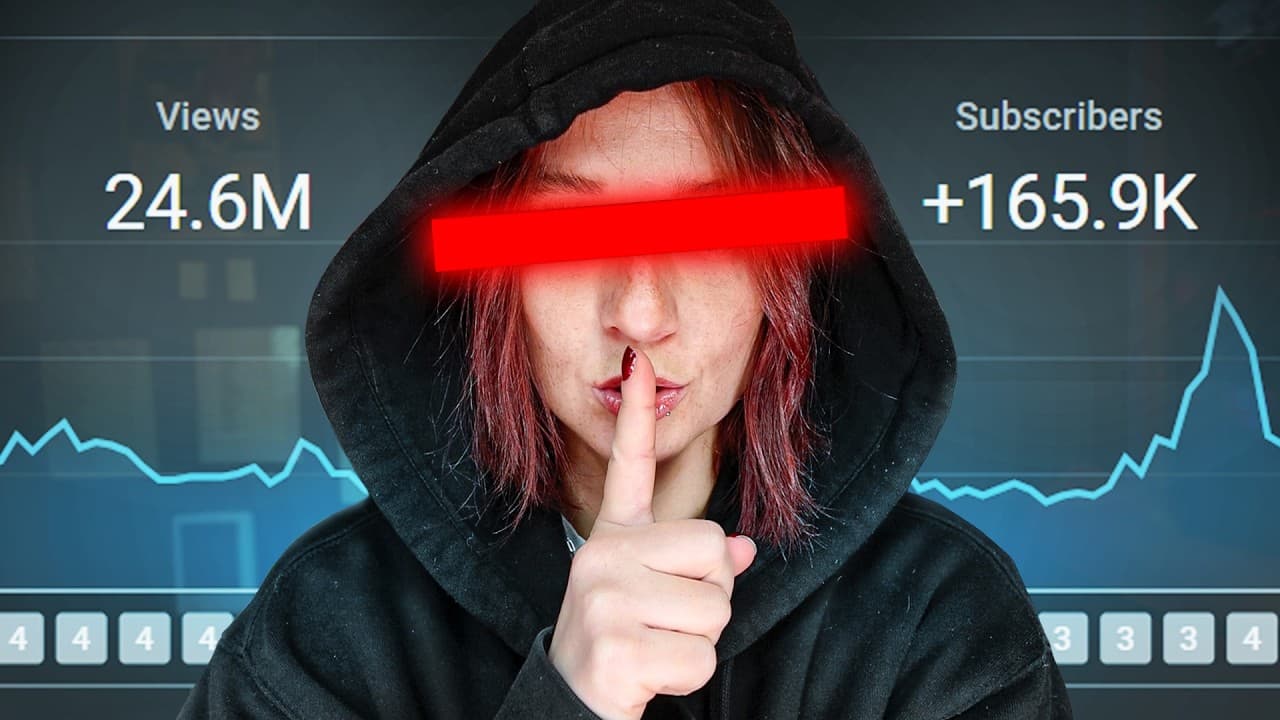
Here's the truth. Starting a faceless YouTube channel is way easier than you think, but most people get it completely wrong, and that's why their channels never grow. So, today, I'm breaking down exactly how to start a faceless channel that actually gets views and subscribers. And at the end, we'll even go over how to make more money as a faceless ... Read More
Key Insights
- A faceless YouTube channel is a channel where the creator does not appear on camera. Suitable formats include voiceovers, text-to-speech, animation, slideshows, hands-only shots, point-of-view footage, gameplay, AI-assisted content, and stock footage.
- The appeal of faceless content is its anonymity, reduced on-camera pressure, lower production overhead, and potential for batching, outsourcing, and scaling. These advantages simplify parts of production, but they do not remove the need for a clear strategy and consistent execution.
- Niche selection works by identifying three to five high-volume, low-competition keywords and examining related searches. Cross-referencing those ideas with an outlier research tool can reveal videos that are currently performing unusually well and reaching new audiences for other creators.
- Strong packaging is especially important when a creator's face cannot provide immediate recognition or emotional connection. Titles should promise intrigue, benefit, or curiosity, while thumbnails should use high contrast, clear imagery, impactful text, and a crisp visual focus.
- Brand recognition on a faceless channel is built through consistent fonts, colors, color schemes, and visual styles. These repeated elements can serve the recognition function that a familiar creator's face often provides on a traditional channel's thumbnails.
- Scalable production is supported by writing several scripts in advance, batching videos, maintaining a content calendar, and outsourcing editing, thumbnails, or motion graphics when possible. Voiceovers, text-to-speech, and AI voices remain useful only when editing, pacing, clarity, and overall quality meet audience expectations.
- Poor audio, improper use of copyrighted assets, generic unedited AI voices, frequent niche changes, and disregard for platform policies can undermine a faceless channel. Reused content and compilations require particular attention to YouTube's updated 2025 rules mentioned in the transcript.
- Revenue diversification is achieved by combining advertising with affiliate links, digital products, sponsorships, brand deals, memberships, Patreon, merchandise, and licensing where appropriate. The strongest options depend on the niche, with tutorials and reviews fitting affiliates and educational channels fitting courses or downloads.
Install to Summarize YouTube Videos and Get Transcripts
Explore YouTube Video Summarizer or Get YouTube Transcript Extractor
Questions & Answers
Q: How do you start a faceless YouTube channel?
Start by choosing and researching one niche, then identify three to five high-volume, low-competition keywords and study related searches. Select a repeatable format such as voiceover tutorials, animation, gameplay, or slideshows. Plan the first five videos, including titles and thumbnails, produce them with clear audio and clean visuals, publish regularly, and review retention, click-through rate, and comments.
Q: What counts as a faceless YouTube channel?
A faceless YouTube channel is one where the creator does not appear on camera. The content may use narration, text-to-speech, animation, slideshows, hands-only demonstrations, point-of-view footage, gameplay, AI, or stock footage. The defining feature is the creator's absence from the screen, not the use of any single production technique or type of subject matter.
Q: How do you choose a niche for a faceless channel?
Choose a niche by looking for strong audience demand with relatively low competition. Research three to five high-volume, low-competition keywords, inspect related keywords to understand what viewers already search for, and compare those findings with videos currently outperforming for other creators. Possible categories include explainers, tutorials, technology guides, reviews, comparisons, storytelling, list content, relaxation, meditation, and music loops.
Q: How should faceless YouTube titles and thumbnails be designed?
Titles should create intrigue, communicate a benefit, or stimulate curiosity. Thumbnails should feature high contrast, clear imagery, impactful text, and a crisp focal image because the creator's face is unavailable to establish recognition. Consistent fonts, colors, color schemes, and basic visual styles should also be repeated so viewers can gradually identify the channel's brand across different uploads.
Q: How can a faceless creator produce videos consistently?
Consistent production becomes easier when creators batch their work by writing multiple scripts and preparing several videos in advance. A content calendar supports a regular schedule, while outsourcing editing, thumbnail creation, or motion graphics can increase capacity. Voiceovers, text-to-speech, and AI voices may speed production, but their pacing, clarity, editing, and overall quality must remain suitable for the intended audience.
Q: What mistakes should faceless YouTube creators avoid?
Creators should avoid using copyrighted music or stock footage improperly because doing so can lead to strikes, claims, or demonetization. They should also avoid muffled audio, robotic and unedited AI narration, repeated changes between unrelated niches, and reused material that conflicts with platform rules. Community guidelines, reuse requirements, and the updated 2025 policies mentioned in the transcript should be checked carefully.
Q: How can a faceless YouTube channel make money beyond ads?
A faceless channel can earn beyond advertising through affiliate marketing, digital products and downloads, sponsorships, brand deals, channel memberships, Patreon, merchandise, and licensing where available. Tutorials and product reviews can naturally support relevant affiliate recommendations, while educational channels may fit courses or other digital products. Combining several appropriate sources can produce more income than relying on advertising alone.
Q: What metrics should a faceless YouTube creator monitor?
A creator should monitor audience retention, click-through rate, and viewer comments after publishing regularly. These signals help reveal which topics, ideas, titles, thumbnails, and content approaches are performing best. Successful subjects can then inspire related videos, allowing the creator to double down on demonstrated audience interest instead of repeatedly switching niches or choosing future topics without performance feedback.
Summary & Key Takeaways
-
A faceless channel does not show its creator on camera and can use voiceovers, text-to-speech, animation, slideshows, hands-only footage, point-of-view shots, gameplay, AI, or stock footage. The format offers anonymity, lower production overhead, and easier batching and outsourcing, but growth still requires strategy, consistency, and quality.
-
Channel planning begins with a focused niche and three to five high-volume, low-competition keywords. Related searches reveal existing viewer demand, while outlier research identifies videos currently reaching wider audiences. Each idea then needs strong packaging through an intriguing or beneficial title, a clear high-contrast thumbnail, and recognizable fonts, colors, and visual styles.
-
A practical launch plan is to research the niche, select a repeatable format, plan five videos with titles and thumbnails, produce them with clear audio and clean visuals, and publish regularly. Creators should monitor retention, click-through rate, and comments, then double down on successful topics while developing multiple suitable revenue sources beyond advertising.
Read in Other Languages (beta)
Share This Summary 📚
Summarize YouTube Videos and Get Video Transcripts with 1-Click
Try YouTube Summary with ChatGPT & Claude or YouTube Transcript Generator
Explore More Summaries from vidIQ 📚

Summarize YouTube Videos and Get Video Transcripts with 1-Click
Try YouTube Summary with ChatGPT & Claude or YouTube Transcript Generator