How did humans become the top predator of the planet
TL;DR
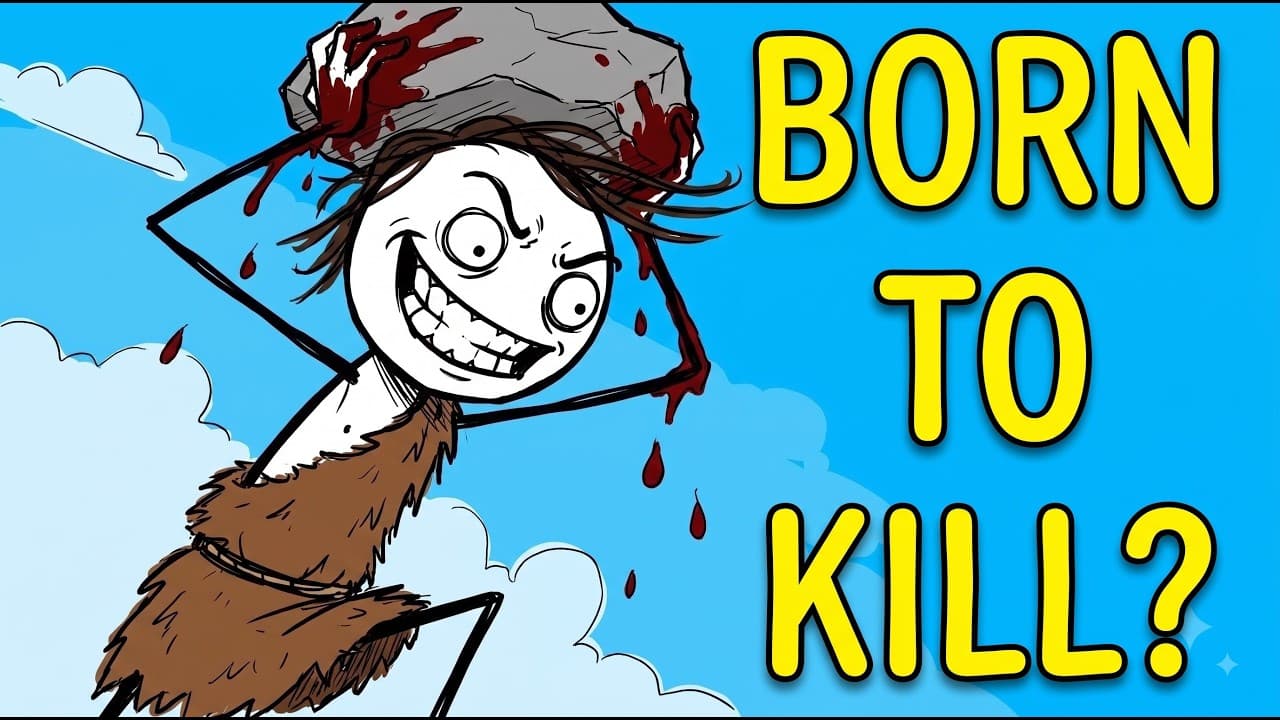
Humans became the top predator because we learned to kill from a distance using thrown rocks and later weapons, enabled by shoulder adaptations and endurance running. Our ability to hunt in a coordinated, shared plan (we mode) and to outlast prey with cool, tireless bodies set us apart from other animals.
Transcript
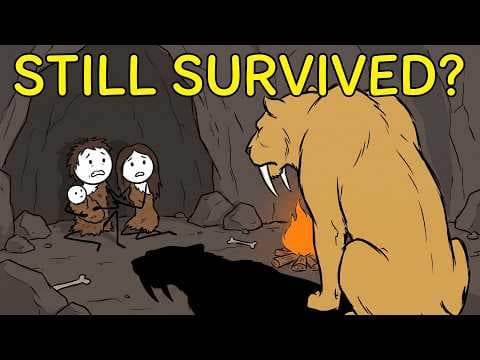
Picture yourself 100,000 years ago, standing in a world full of monsters. Cave lions the size of a car, bears that stand taller than a basketball hoop. Every one of them stronger, faster, and better armed than you. Now, look around. They're all extinct, and you're still here. The weakest animal in that entire world became the most terrifying thing ... Read More
Key Insights
- Humans became capable of long distance killing before modern weapons through a throwing shoulder that functions like a slingshot.
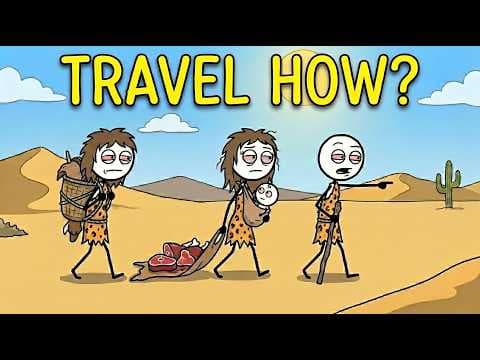
- Endurance running and persistence hunting are explained as methods that let humans outlast fast prey by cooling the body while moving.
- The coordination of many humans using a shared intention is described as we mode, superior to the I mode used by other predators.
- Humans can threaten prey from a distance with weapons, reducing the need for close contact and injury risk.
- Lions and other predators react strongly to human presence, showing humans are a super predator in the ecosystem by fear response to human voices.
- The ability to plan and communicate a shared plan allows coordinated ambush and execution of hunts across multiple individuals.
- Evidence from archaeology shows ritual and body modification and reconstruction practices, illustrating strange but purposeful behaviors long before modern humans existed.
- The story ties together anatomical changes and social behavior as the dual reason humans rose to dominance over large fauna.
Install to Summarize YouTube Videos and Get Transcripts
Explore YouTube Video Summarizer or Get YouTube Transcript Extractor
Questions & Answers
Q: A real search query question about the video (e.g. 'How to...', 'What is...', 'Why does...', 'When should...'). Question 1
What changes in human anatomy made throwing and endurance running possible, and how did these changes affect hunting strategies historically, according to the video transcript? The shoulder became more capable of a load and release motion, enabling a slingshot like throw; the waist widened and shoulders dropped to allow twisting and energy transfer. This combination allowed early humans to throw rocks with increasing speed and accuracy, starting a chain of weapon development that reduced the need for close contact in hunts. This shift, paired with endurance running that allowed persistence hunting, put humans ahead of predators that rely on speed alone.
Q: Question 2
How does the video describe the concept of we mode versus I mode in hunting, and why is it important for human predation success? The video explains that most predators hunt in I mode, where each individual pursues their own best shot, but humans hunt in we mode, sharing a single plan. This shared intentionality means coordinated actions across many individuals, allowing ambush strategies and dynamic adjustments. The ability to anticipate each other’s knowledge and actions creates a collective intelligence that multiplies hunting effectiveness beyond any single hunter.
Q: Question 3
What evidence does the video present to show that early humans could kill from a distance, and how does this contrast with other predators? The video notes that early humans progressed from throwing rocks to sharpening spears and eventually long range weapons, which allowed killing from across the clearing, avoiding close contact with prey. In contrast, predators such as lions and wolves must physically reach their prey to kill, exposing themselves to injury. This distance capability reduced risk and increased efficiency, enabling more successful hunts.
Q: Question 4
Why does the video claim that humans are a super predator, and what experiments support this claim? Humans are called a super predator because evidence shows we terrify other animals even without direct predation, as animals flee at the sound of human voices. Experiments at Kruger National Park and in California show wildlife avoiding human sounds more than predator sounds. This fear response indicates a unique ecological impact beyond raw hunting prowess.
Q: Question 5
What do the examples of ritual and body modification in the transcript illustrate about early human behavior and cognition, and why are they relevant to the argument about terrifying abilities? The transcript describes practices like placing and reconstructing skulls with shells and bones and burying the dead in unusual ways. These examples show deliberate, unsettling, albeit non-fatal behaviors that indicate long standing cognitive and cultural complexity. They demonstrate that humans acted with intent that goes beyond mere survival, contributing to our reputation as unpredictable and formidable beings.
Q: Question 6
How does the video connect endurance running, respiration, and thermoregulation to the hunting advantage of humans? The video explains that humans can dissipate heat while moving through persistent sweating and efficient cooling, enabling long periods of movement without overheating. This endurance supports persistence hunting, wearing down prey over time rather than relying on quick, inefficient chases. The combination of respiratory efficiency and thermoregulation makes humans uniquely capable of extended runs in open environments.
Q: Question 7
What role does social learning play in human predation as described in the transcript, and how does it enhance survival? Social learning allows knowledge about hunting strategies to be passed down across generations. The shared plan and mutual understanding of that plan enable each generation to improve on collective tactics. This intergenerational transmission of complex strategies ensures that hafted weapons and coordinated hunts become more effective over time, solidifying humans’ role as top predators.
Q: Question 8
How does the video describe the origins of human violence toward each other and its significance to the overall argument about being terrifying? The video shows evidence of early humans butchering other humans and reconstructing bodies, showing a capacity for deliberate violence and manipulation of remains. This capacity reflects a deep cognitive flexibility and strategic thinking that extends beyond survival and into complex social behavior, reinforcing the idea that humans are terrifying not just because of strength but because of planned, coordinated, and sometimes unsettling actions.
Summary & Key Takeaways
-
Humans evolved a unique throwing shoulder that allows rapid, long distance weapon use, beginning with a thrown rock and progressing to more advanced weapons.
-
Our running anatomy enables endurance hunting by cooling the body while moving, giving humans an edge over faster predators.
-
Cooperative hunting with a shared plan and mutual knowledge of the plan creates a level of teamwork unseen in other species, enabling large-scale, strategic predation.
Read in Other Languages (beta)
Share This Summary 📚
Summarize YouTube Videos and Get Video Transcripts with 1-Click
Try YouTube Summary with ChatGPT & Claude or YouTube Transcript Generator
Explore More Summaries from Ink Explainer 📚

Summarize YouTube Videos and Get Video Transcripts with 1-Click
Try YouTube Summary with ChatGPT & Claude or YouTube Transcript Generator