How to Build Real Composure Under Pressure
TL;DR
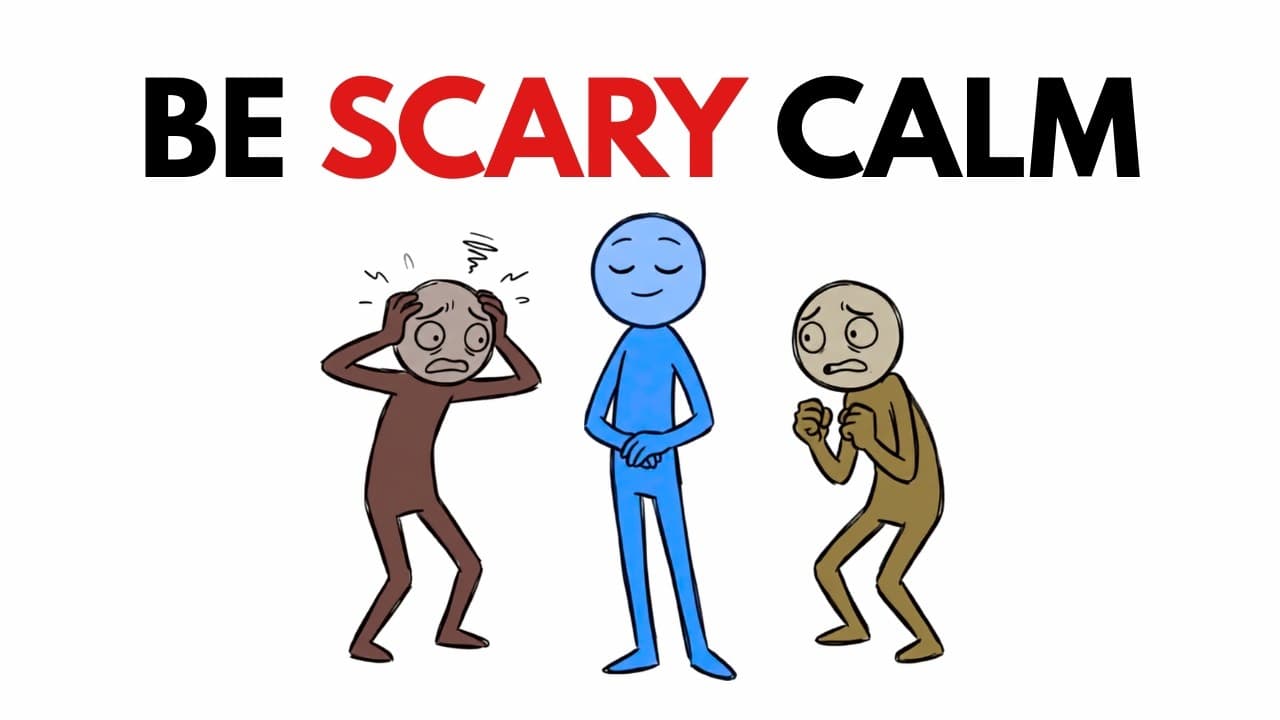
Real composure comes from changing how you interpret pressure before emotion fully develops, while training the nervous system to recover flexibly. Cognitive reappraisal reduces the emotional wave at its source, whereas merely hiding distress creates tension that others can detect. Begin by replacing self-focused interpretations with the question, "What is this actually?" and generating alternative explanations.
Transcript
There is an unwritten rule of power that nobody teaches you, and it goes like this. The calmest person in the room is the one everybody else is secretly reacting to, not the loudest one, and not the smartest one, but the one who doesn't move when everyone else flinches. Real composure, the ability to stay calm under pressure while everyone around y... Read More
Key Insights
- Composure is a trained nervous-system skill, not a fixed personality trait or the absence of emotion. The transcript argues that calm people develop habits of interpretation and physiological regulation through repeated practice, whether deliberately or through demanding life experience.
- Cognitive reappraisal changes an event's meaning before the emotional response fully develops. Asking what an event actually represents, instead of immediately treating it as a personal attack, can reduce the intensity of the emotional wave rather than merely conceal it.
- Expressive suppression hides an emotion after it has already activated at full strength. A person may maintain a still face or flat voice while anger or panic remains active internally, producing an outward appearance that resembles composure but functions very differently.
- Heart rate variability reflects the body's capacity to accelerate when necessary and settle after a demand passes. The neurovisceral integration model links this flexibility to communication among the prefrontal cortex, heart, and vagus nerve, supporting attention, working memory, and decisions under threat.
- Real calm begins with the first interpretation of an event. The untrained question, "What does this mean about me?" turns information into a personal verdict, while the composed question, "What is this information and what does it change?" frames it as a manageable problem.
- Fake calm can increase tension in other people because the human nervous system detects mismatches between words and bodily signals. In the 2003 experiment described, partners of instructed suppressors showed increased blood pressure and reported weaker connection despite receiving no explanation of the suppression.
- Genuine non-reaction deprives provocation of the feedback it needs. Flinching, defensiveness, and hurried explanations reveal where an attack landed, while a relaxed and measured response gives manipulators or status-seekers little information for directing their next move.
- Composure carries the social cost of projection because people may fill an unreadable silence with their own assumptions. Insecure people may perceive judgment, manipulative people may escalate their testing, and others may mistake genuine steadiness for coldness because they cannot easily interpret it.
Install to Summarize YouTube Videos and Get Transcripts
Explore YouTube Video Summarizer or Get YouTube Transcript Extractor
Questions & Answers
Q: What is real composure under pressure?
Real composure is the trained ability to regulate interpretation and physiological response before an emotion becomes overwhelming. It does not mean feeling nothing, lacking energy, or hiding distress behind a still face. A composed person interprets difficult information as a problem to assess rather than a verdict about personal worth, allowing the resulting emotional wave to remain smaller and more manageable.
Q: How does cognitive reappraisal create genuine calm?
Cognitive reappraisal creates calm by changing the meaning assigned to an event before the emotional response fully develops. For example, a cold message from a boss can be interpreted as pressure, haste, or limited context rather than an attack. This upstream reinterpretation reduces the strength of the emotional wave itself, so the person does not need to conceal a full internal storm afterward.
Q: What is the difference between composure and emotional suppression?
Composure reduces emotional intensity through interpretation and nervous-system regulation, while suppression attempts to hide an emotion that has already activated strongly. Both may produce a still face, but their internal conditions are opposite. Reappraisal is associated in the transcript with less negative emotion and stronger relationships, while habitual suppression is linked to worse internal feelings and weaker social connection.
Q: Why can fake calm make other people feel tense?
Fake calm creates a mismatch between outward words and inward bodily tension. Someone may say, "I'm fine," while their face, jaw, voice, or posture communicates that they are locked down. The transcript describes a 2003 experiment in which partners of people instructed to suppress emotion developed higher blood pressure and experienced lower rapport, even though they were not told that suppression was occurring.
Q: Why does genuine composure unsettle reactive people?
Genuine composure can unsettle reactive people because provocation often depends on visible feedback. A flinch identifies a sensitive point, defensiveness confirms that an attack landed, and hurried explanations give the other person influence over the interaction. When a relaxed person responds slowly and without leaked tension, the provoker receives little useful information and may intensify testing because the usual guidance system has stopped working.
Q: How is heart rate variability related to composure?
Heart rate variability is described as the flexibility with which the heart and nervous system respond to changing demands. Higher variability means the system can accelerate when necessary and settle when the pressure passes. Through the neurovisceral integration model, the transcript connects this flexibility with prefrontal control, vagal braking, attention, working memory, and decision-making during threatening or stressful situations.
Q: How can someone start training composure?
The first practice presented is to install a reappraisal question. When criticism, cancellation, or a sharp message arrives, notice whether the mind asks, "What does this mean about me?" Replace that question, aloud if necessary, with, "What is this actually?" Then generate two alternative explanations that do not concern you personally. This trains interpretation before the emotional response fully forms.
Q: What social costs can come with becoming more composed?
Greater composure can make a person harder to read, which invites others to project their own concerns into the silence. Insecure people may interpret stillness as judgment, manipulative people may treat it as a challenge, and some people may call it coldness. The transcript also warns that non-reaction can initially produce more testing because it threatens people whose influence depends on receiving emotional reactions.
Summary & Key Takeaways
-
Composure is presented as a trainable skill rather than an inborn temperament or absence of emotion. It depends on cognitive reappraisal, which changes an event's meaning before emotion fully develops, and on a flexible physiological system that can respond to pressure and settle once the demand has passed.
-
Expressive suppression can resemble calmness externally while leaving anger, fear, or panic active internally. Research described in the transcript found that people interacting with suppressors experienced higher blood pressure and weaker rapport, suggesting that mismatches between calm words and a tense body can register socially as a threat.
-
Genuine composure disrupts provocation because social attacks often depend on feedback such as flinching, defensiveness, or hurried explanations. A relaxed face, unhurried voice, and measured response provide little usable guidance. Building this capacity starts by questioning self-focused interpretations and generating alternative explanations unrelated to personal worth.
Read in Other Languages (beta)
Share This Summary 📚
Summarize YouTube Videos and Get Video Transcripts with 1-Click
Try YouTube Summary with ChatGPT & Claude or YouTube Transcript Generator
Explore More Summaries from PsychToons 📚
Summarize YouTube Videos and Get Video Transcripts with 1-Click
Try YouTube Summary with ChatGPT & Claude or YouTube Transcript Generator