What makes branding shape culture and consumer behavior?
TL;DR
Branding emerges from deep human instincts and the triune brain, linking signals of identity to value. The talk traces branding from ancient marks to modern consumer culture, showing how choice overload and mass distribution drive brands to signal ownership, trust, and belonging. It examines why brands persist and how our perception of reality is shaped by marking and signaling.
Transcript
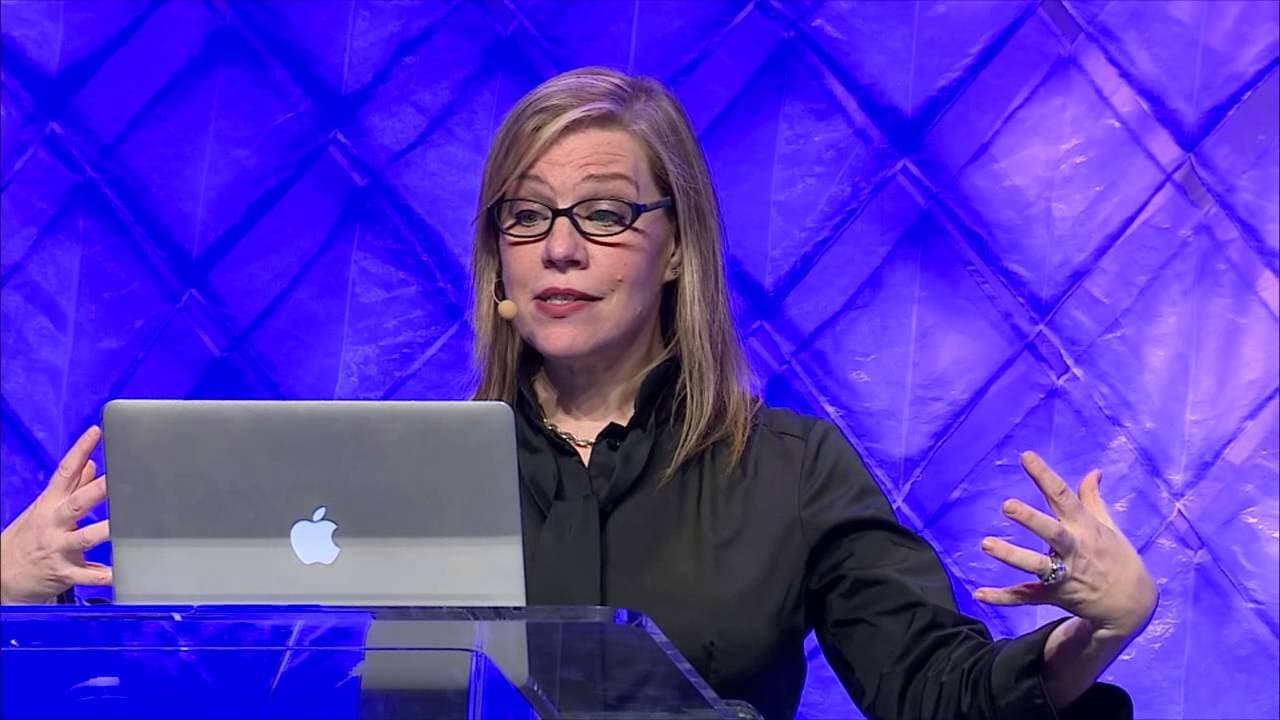
Thank you so much for having me here. Um I want to talk a little bit about what I'm going to talk about to put it into context. Um my presentation today is a bit of an investigation um of our behavior and our motivations in relation to how why as a species we've constructed the notion of a brand. So this effort actually began back in 2005. 2005 was... Read More
Key Insights
- Branding is an anthropological investigation into why humans create and follow brands instead of merely buying products.
- The triune brain framework explains how emotion, attachment, and planning interact to make branding compelling and trustworthy.
- Brands historically signal ownership and quality through marks, logos, and signals that convey consistency and reliability.
- The evolution from simple marks to complex branding mirrors broader shifts in production, distribution, and consumer choice.
- MySpace’s popularity is analyzed as part of a broader look at how social signaling and network effects drive rapid adoption.
- The speaker argues branding is not inherently good or bad but a default human behavior that needs understanding.
- The relationship between branding and backlash shows how anti-brand movements still depend on branding logic for identity and funding.
- The talk links branding to ancient practices such as flags and crests, which function as signaling mechanisms in social groups.
Install to Summarize YouTube Videos and Get Transcripts
Explore YouTube Video Summarizer or Get YouTube Transcript Extractor
Questions & Answers
Q: How did branding originate in human history?
Branding originated as a way to mark ownership and signal belonging. The term brand appears in 1010 AD, referring to marking or destroying by fire, and livestock brands were used to identify ownership. Over time, branding evolved with the industrial revolution, shifting from owner signaling to signaling quality and reliability, a transformation that underpins modern consumer brands.
Q: Why does MySpace matter in branding history?
MySpace is used as a case study to understand why certain platforms rise rapidly. The talk highlights its viral popularity around 2005 and uses it to explore the conditions that enable quick cultural adoption. By examining MySpace, the speaker delves into how branding and online engagement reflect broader patterns of signaling and identity within networks.
Q: What is the triune brain and its relevance to branding?
The triune brain consists of the reptilian, limbic, and neo cortex, each governing different functions. The reptilian brain handles basic life functions, the limbic brain governs emotion and attachment, and the neo cortex enables language and planning. Branding taps into these parts by signaling trust, identity, and value, influencing both emotion and rational decision making.
Q: How has consumer choice evolved with branding?
Branding grew as markets expanded with transportation and mass distribution, leading to more products and variations. Consumers face plentiful options, which brands try to simplify by signaling quality and reliability. This complexity drives demand for recognizable brands that communicate ownership, standards, and a sense of belonging within a marketplace.
Q: What role do marks, logos, and signals play in branding?
Marks, logos, and signals function as telegraphic cues of ownership, quality, and consistency. They help consumers recognize trusted sources amid abundance. Historically, marks evolved from simple ownership signals to complex branding systems that convey identity and values, shaping how people perceive and choose products in a crowded marketplace.
Q: Why do backlash movements still rely on branding logic?
Backlash movements critique branding yet often use branding tools themselves, such as logos and websites, to communicate their message and raise funds. This paradox shows how branding mechanics are deeply embedded in cultural discourse, influencing both consumer behavior and social movements by signaling alignment, values, and belonging.
Q: How does branding relate to culture and consumption?
Branding acts as a cultural technology that organizes consumption by attaching meaning to products and experiences. It leverages signals of quality, ownership, and identity to shape desires, guide choices, and create social belonging. The talk frames branding as a fundamental driver of modern consumption and cultural development.
Q: What is the significance of advertising density in branding history?
Advertising density reflects how markets evolved to create visible signals of brands amid crowded shelves. As there were more products and stores, brands needed clearer symbols of quality and reliability. This density also influences consumer expectations, making consistent branding essential for maintaining trust and guiding purchasing decisions.
Summary & Key Takeaways
-
Branding is explored as an anthropological journey from early marks to today, revealing how signals of ownership evolved with culture and technology, and why brands become a default behavior in consumption.
-
The speaker connects brain evolution to branding, arguing that our triune brain drives attachment, signaling, and social proof, which brands leverage to create meaning and drive consumption.
-
The talk highlights the historical pendulum of branding, from marking livestock to signaling quality, and questions how modern abundance influences our desire for identity through brands.
Read in Other Languages (beta)
Share This Summary 📚
Summarize YouTube Videos and Get Video Transcripts with 1-Click
Try YouTube Summary with ChatGPT & Claude or YouTube Transcript Generator
Explore More Summaries from Khosla Ventures 📚


Summarize YouTube Videos and Get Video Transcripts with 1-Click
Try YouTube Summary with ChatGPT & Claude or YouTube Transcript Generator