How to Run an Effective Staff Meeting
TL;DR
To run an effective staff meeting, establish clear objectives, build relationships among team members, and set guidelines for participation. Structure the agenda thoughtfully, assign a facilitator, and regularly check in with the team to ensure inclusive discussion and accountability. Address any violations of meeting norms to foster a productive environment.
Transcript
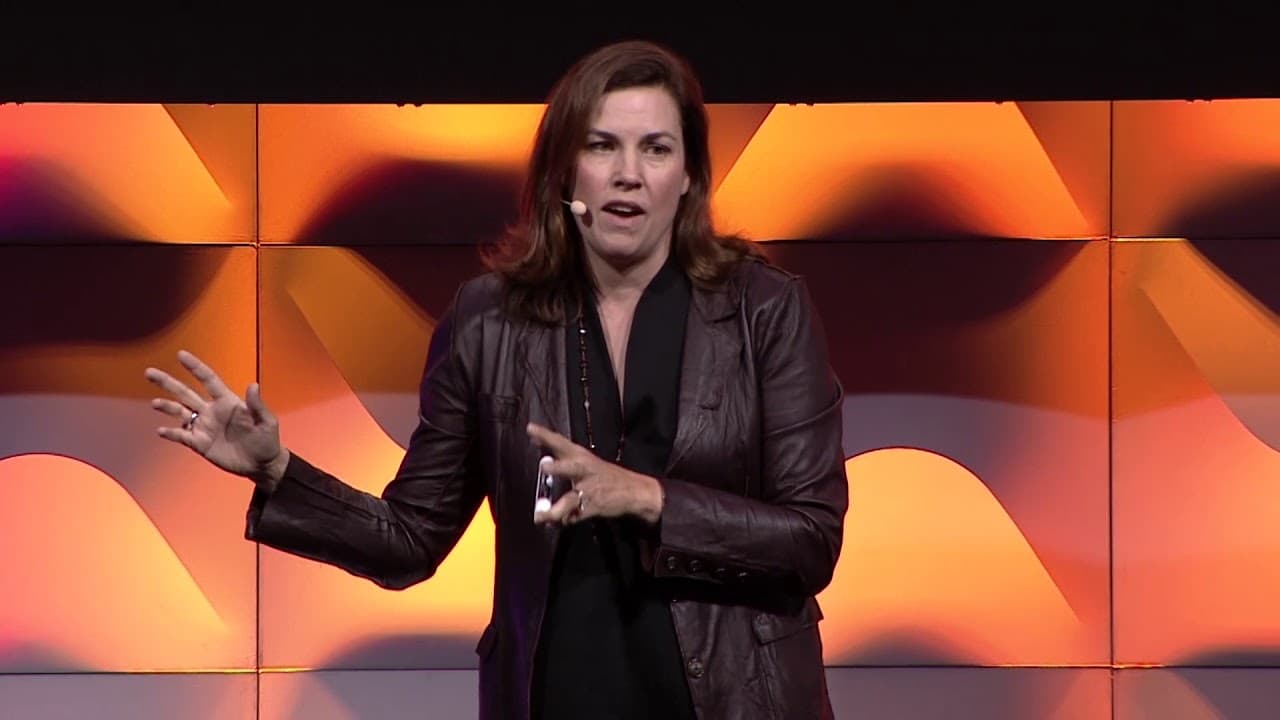
it's great to be here and I was looking at the overall agenda and thinking wow they gave me the real tactical meat-and-potatoes topic and I'm not gonna pretend actually this topic is a hard one because it's actually quite easy to tell you what great meetings are it's not easy to do this stuff because meetings take work so the first thing we're gonn... Read More
Key Insights
- 💦 Groundwork, including relationship-building and understanding work styles, is crucial for effective staff meetings.
- 😫 Setting clear expectations, norms, and objectives is important in creating a productive meeting environment.
- 🤩 Assigning a meeting leader/facilitator and structuring the agenda are key to running efficient and engaging meetings.
- 🏁 Regular check-ins, checkouts, and feedback sessions contribute to inclusive and participatory discussions.
- 😤 Periodic off-site meetings provide an opportunity for strategic discussions and team bonding.
- 🖤 Inefficient decision-making processes and lack of listening can hinder meeting effectiveness.
- 🤙 Addressing behavior issues privately, but calling out meeting norms violations, can help improve meeting dynamics.
Install to Summarize YouTube Videos and Get Transcripts
Explore YouTube Video Summarizer or Get YouTube Transcript Extractor
Questions & Answers
Q: How can groundwork be laid to improve staff meetings?
Building relationships among team members and understanding each other's work styles are crucial steps in creating a positive meeting environment. Setting expectations and norms, such as sending agendas ahead of time, designating note-takers, and defining decision-making processes, also contribute to more productive meetings.
Q: What are some common mistakes people make when running staff meetings?
One common mistake is not assigning a meeting leader or facilitator, which often leads to unproductive and unstructured discussions. Another mistake is failing to clarify the purpose and objectives of the meeting, leading to confusion and differing expectations.
Q: How can meetings be made more inclusive and participatory?
To ensure everyone's participation, it is important to create a safe space where even the quieter individuals feel comfortable speaking up. This can be achieved by setting norms that encourage active participation and accountability. Additionally, using check-ins and checkouts at the beginning and end of meetings can give individuals an opportunity to voice their thoughts and concerns.
Q: How frequently should staff meetings be held?
The frequency of staff meetings may vary depending on the needs and stage of the team or organization. It is essential to find a balance between frequent check-ins and allowing enough time for meaningful discussions. Regular meetings, along with periodic off-site gatherings, can help maintain team alignment and foster a sense of camaraderie.
Summary & Key Takeaways
-
Staff meetings often lack clear objectives and structure, leading to inefficiency and poor team dynamics.
-
To improve staff meetings, it is important to lay the groundwork by establishing relationships, understanding work styles, and setting expectations.
-
Running the meeting effectively involves structuring the agenda, determining decision-making processes, and holding participants accountable.
Read in Other Languages (beta)
Share This Summary 📚
Summarize YouTube Videos and Get Video Transcripts with 1-Click
Try YouTube Summary with ChatGPT & Claude or YouTube Transcript Generator
Explore More Summaries from Khosla Ventures 📚

Summarize YouTube Videos and Get Video Transcripts with 1-Click
Try YouTube Summary with ChatGPT & Claude or YouTube Transcript Generator