What Was the Rivalry Between Edison, Westinghouse, and Tesla?
TL;DR
The rivalry between Thomas Edison, George Westinghouse, and Nikola Tesla revolved around competing visions for electrifying America in the 1880s. Edison emphasized showmanship and was the first to develop a viable light bulb, while Westinghouse focused on quality and building a better product through patent acquisition. Tesla, known for his innovative ideas, struggled to bring his concepts to market, illustrating the multifaceted nature of invention.
Transcript
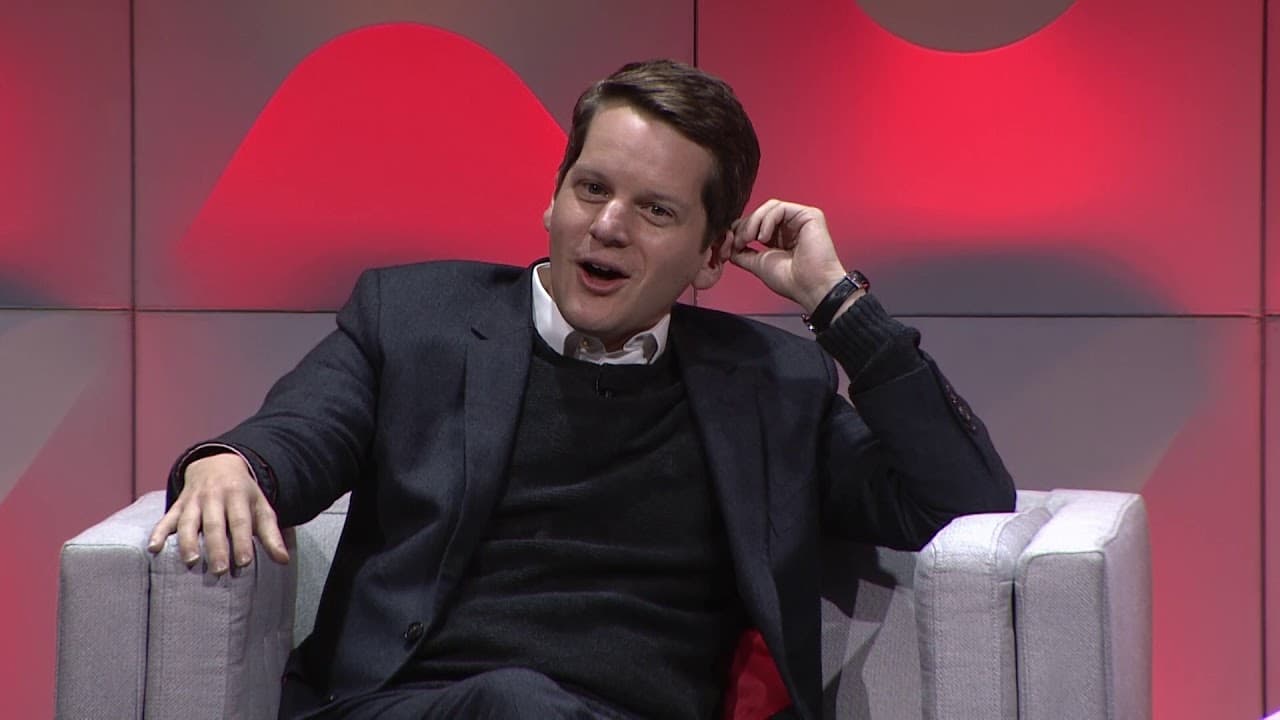
great hello brother hey little brother so let's start talking about last days of night yeah and maybe why don't we start with how did you get the idea for this book why did you think this was a story worth telling you know it actually came when I was on I was on a book tour for my first book first book came at the end of 2010 and I was on this book... Read More
Key Insights
- 📺 The rivalry between Edison, Westinghouse, and Tesla represents three mutually incompatible visions of invention - showmanship, craftsmanship, and pursuit of ideas.
- 🌎 The battle to electrify America involved not only technological advancements but also legal and public relations tactics.
- ✋ Westinghouse's success can be attributed to his ability to negotiate with Edison, his focus on high-quality engineering, and his willingness to bet on a young and inexperienced lawyer like Paul Cravath.
- 💡 The invention of the light bulb not only transformed the physical space but also changed people's self-perception by allowing them to see themselves under a new kind of light.
- 💦 Alan Turing's style of invention, like Edison, Westinghouse, and Tesla, was a blend of different qualities - ideas, craftsmanship, and the ability to convey the value of his work.
- ✊ The storytelling abilities of Edison and the shocking demonstrations used by him and Westinghouse highlight the power of narrative and public perception in technological battles.
Install to Summarize YouTube Videos and Get Transcripts
Explore YouTube Video Summarizer or Get YouTube Transcript Extractor
Questions & Answers
Q: How did the author come up with the idea for the book?
The author got the idea for the book during a road trip when he started talking about George Westinghouse, Thomas Edison, and Nikola Tesla. His friends suggested writing about their rivalry, and he realized it was an interesting story worth telling.
Q: What were the major players in the electricity battle in the 1880s?
The major players were Thomas Edison, George Westinghouse, and Nikola Tesla. Edison focused on developing indoor electrical light, Westinghouse emphasized creating the best light bulb, and Tesla pioneered alternating current technology.
Q: What were some tactics used in the battle between Edison and Westinghouse?
Edison, being the showman, used the press to discredit Westinghouse's alternating current by staging electrocutions of dogs using Westinghouse's current. Westinghouse, on the other hand, focused on building a high-quality product and assembling patents to create a reliable light bulb.
Q: Who ultimately won the rivalry between Edison and Westinghouse?
Although Edison won the patent lawsuit, Westinghouse came out victorious in the long run. He successfully built the electrical system we use today by making a licensing deal with Edison's company and removing Edison's name from the company.
Summary & Key Takeaways
-
The story is inspired by a book tour road trip, where the author discovered the lesser-known rivalry between George Westinghouse, Thomas Edison, and Nikola Tesla.
-
In the 1880s, indoor electrical light was still a dream, and Edison was determined to be the first to achieve it. He hired a team of engineers and set up an intense research and development lab in Menlo Park, New Jersey.
-
Westinghouse, on the other hand, focused on creating the best light bulb by buying and assembling patents from different countries. Tesla, who worked for Edison for a short period of time, was an idea man who cared more about the concepts and less about their actual implementation.
Read in Other Languages (beta)
Share This Summary 📚
Summarize YouTube Videos and Get Video Transcripts with 1-Click
Try YouTube Summary with ChatGPT & Claude or YouTube Transcript Generator
Explore More Summaries from Khosla Ventures 📚
Summarize YouTube Videos and Get Video Transcripts with 1-Click
Try YouTube Summary with ChatGPT & Claude or YouTube Transcript Generator