How to Speak Perfect English Without Hurting Your IELTS Score
TL;DR
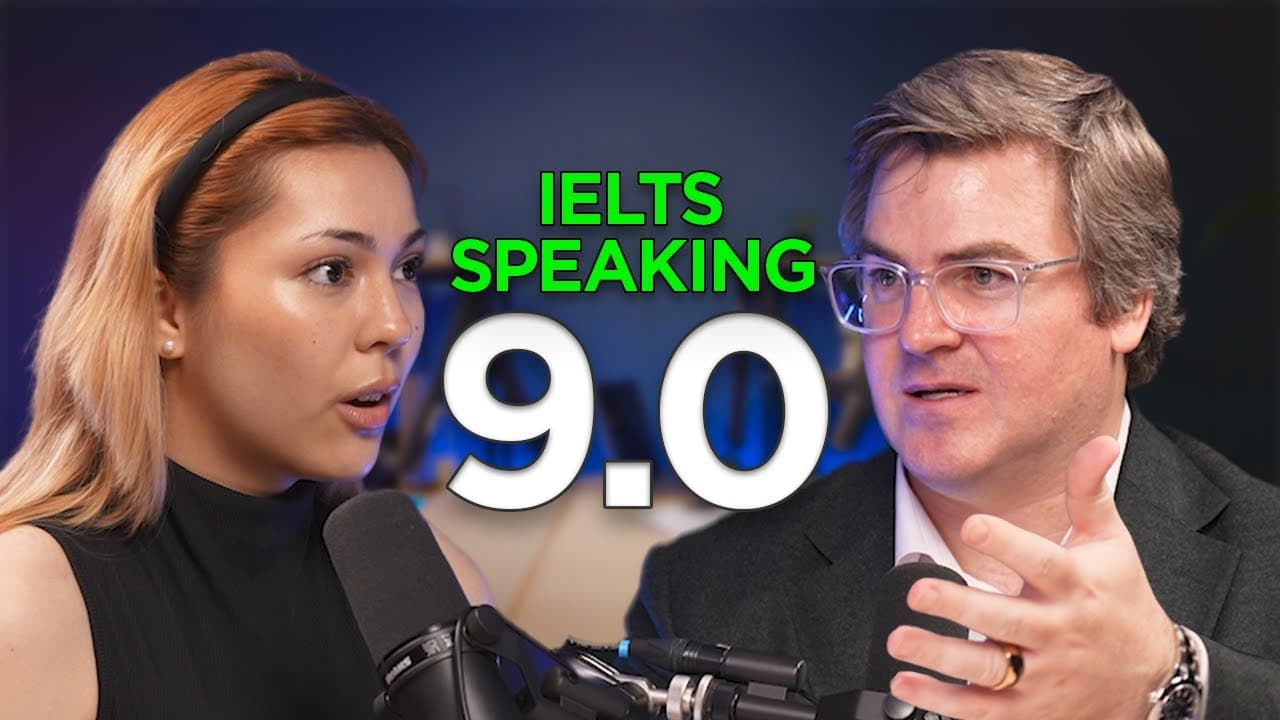
Being too flawless can hold you back in the IELTS speaking test. The video demonstrates relaxing strategies, answering questions more easily, and sounding natural, not rehearsed, to improve your score. It emphasizes balance between accuracy and fluency while using simple, practical tips.
Transcript
Let's talk about food. What's your favorite local food? My favorite local food would have to be... I don't have the exact name for it, with honey glazed on top and cheese. It's the perfect combination of sweet you everything you want at the moment. How often do you eat traditional food? Not very often, actually. I don't have a specific food I eat A... Read More
Key Insights
- Speaking fluency matters as much as accuracy for IELTS scores.
- Excessive precision can make responses sound rehearsed and less natural.
- Relaxation and pace help you think clearly and answer more effectively.
- Listening and understanding form a foundation for better responses.
- Goal setting and self-awareness improve performance under test conditions.
- Interview coaching can identify and fix common pronunciation and rhythm issues.
- Test strategy includes choosing easy topics and avoiding overanalysis during Part 1.
- Constructive feedback accelerates improvement and reduces anxiety.
Install to Summarize YouTube Videos and Get Transcripts
Explore YouTube Video Summarizer or Get YouTube Transcript Extractor
Questions & Answers
Q: A real search query question about the video (e.g. 'How to...', 'What is...', 'Why does...', 'When should...'). Question 1
How can you improve your IELTS Speaking score by sounding natural rather than perfectly polished? The video explains that over-polished speech can hinder listening and comprehension during the exam. To improve, focus on relaxed delivery, natural intonation, and simple, clear answers that show your thinking process. This approach helps you communicate ideas more effectively under time pressure.
Q: Question 2
What is the role of confidence and calmness in answering IELTS Part 1 questions? Confidence and calmness allow you to respond more fluently and with appropriate pacing. The speaker recommends staying composed, avoiding overthinking, and treating responses as conversations rather than rehearsed monologues. This reduces hesitation and improves overall impression.
Q: Question 3
Why should test takers avoid obsessing over grammar perfection in the IELTS speaking test? The video suggests that while grammar matters, overemphasis on perfection can make speech stiff. Prioritizing clear communication and natural rhythm helps examiners understand you and assess your overall communicative ability more accurately.
Q: Question 4
How can you prepare for Part 1 topics without excessive stress? The content advises choosing easy, relatable topics and practicing concise, confident answers. This helps you build comfort with common questions, reduces anxiety, and keeps you in a good speaking flow during the exam.
Q: Question 5
What strategies help manage nerves during IELTS Speaking? The video highlights relaxation techniques, steady pace, and thinking aloud to structure responses. By controlling breathing and pausing strategically, you can maintain fluency and convey confidence, which contributes to a higher impression score.
Q: Question 6
How do you balance accuracy and fluency in IELTS Speaking according to the video? The guidance is to aim for natural delivery with accurate content, not perfect grammar. Responders should focus on clarity, relevance, and coherence, using simple vocabulary where appropriate to convey ideas effectively under time constraints.
Q: Question 7
What is the recommended approach for Part 2 and Part 3 interactions? The speaker suggests treating prompts as opportunities to demonstrate coherence and logical progression. Use a clear structure, relate ideas to the prompt, and avoid lengthy digressions, keeping responses connected and easy to follow.
Q: Question 8
What role does coaching and feedback play in improving IELTS Speaking scores? The video implies that targeted feedback helps identify weaknesses in pronunciation, rhythm, and confidence. Regular practice with feedback can accelerate improvement and lower exam anxiety, leading to better performance on test day.
Summary & Key Takeaways
-
A practical overview of why perfect English may hurt IELTS performance and how to counteract it with relaxed, natural speaking. The video provides actionable guidance and real test examples to illustrate better scoring techniques.
-
The core message is to prioritize ease of communication over perfect grammar, using clear examples and coaching to help test takers perform with confidence.
-
The video ends by offering concrete steps to practice speaking more naturally, manage nerves, and approach Part 1, Part 2, and Part 3 questions with strategy and calm.
Read in Other Languages (beta)
Share This Summary 📚
Summarize YouTube Videos and Get Video Transcripts with 1-Click
Try YouTube Summary with ChatGPT & Claude or YouTube Transcript Generator
Explore More Summaries from IELTS Advantage 📚
Summarize YouTube Videos and Get Video Transcripts with 1-Click
Try YouTube Summary with ChatGPT & Claude or YouTube Transcript Generator