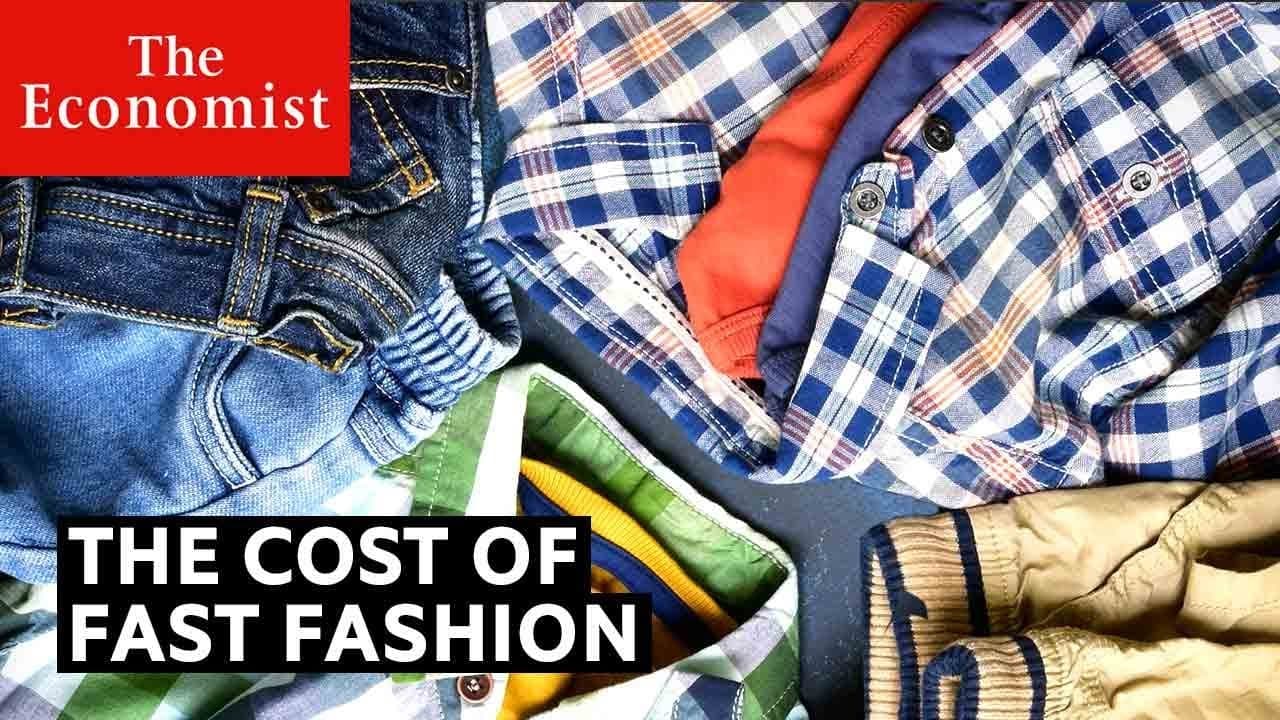
How can fashion grow while reducing waste
TL;DR
Fast fashion drives production and waste, but new models show it can grow by reducing consumption and extending garment life. Rent the Runway and Patagonia illustrate ways to reuse, repair, and share clothing, while recycling plants like Savanna Rags handle discarded items. The key is changing consumer behavior and shifting brand incentives toward longer lasting, repairable apparel.
Transcript
Buying clothes has never been easier. 80 billion items are manufactured every year. We're putting too much product out there, most of that product ending up in landfill. So-called 'fast fashion' allows consumers to buy more, but they're wearing these garments less often and disposing of them at an unprecedented rate. This is where wardrobe castoffs... Read More
Key Insights
- Clothing production creates enormous waste as 80 billion items are manufactured each year and much ends up in landfills.
- Sorting plants process a portion of discarded clothes, but globally they handle only about 25 percent of waste.
- The environmental impact of fast fashion is rising with expanding middle classes and higher consumption.
- Rent the Runway showcases a model where garments are worn by many people, increasing usage per item.
- Patagonia advocates buy less, mend clothing, and operates extensive repair facilities to extend lifespans.
- Brand strategies that discourage rapid disposal are rare but increasingly influential in driving sustainable choices.
- There is a tension between brand incentives to sell more and consumer demand for sustainable options.
- The industry needs to align supply chains toward durability and repairability to reduce environmental impact.
- More videos from this channel:
- More from this channel: The Economist
Install to Summarize YouTube Videos and Get Transcripts
Explore YouTube Video Summarizer or Get YouTube Transcript Extractor
Questions & Answers
Q: How can the fashion industry grow while addressing environmental waste?
The fashion industry can grow by shifting away from a throwaway culture toward models that maximize garment usage. Rent the Runway demonstrates how sharing and renting can extend the life of a single item, while Patagonia emphasizes repair, durability, and a philosophy of buying less but lasting longer. These approaches show economic viability without expanding waste.
Q: What role does garment sharing play in reducing waste?
Garment sharing allows multiple people to wear the same item, increasing its mileage and reducing the need for constant new production. By circulating pieces among consumers, the overall demand for new clothes can decrease, which lowers the environmental footprint of fashion while maintaining access to current styles.
Q: How does Rent the Runway impact the lifecycle of clothing?
Rent the Runway extends clothing lifecycles by rotating items among millions of members, using a centralized dry cleaning operation, and maintaining a broad catalog online. This model keeps garments in use longer than typical consumer purchasing cycles and distributes wear across many users, reducing per-user impact.
Q: What is Patagonia's stance on fast fashion and consumer behavior?
Patagonia challenges fast fashion by promoting the buy less, mend more philosophy and by advocating durable, repairable clothing. They emphasize that the industry should not simply stimulate demand but should focus on keeping products useful longer, reducing the need for frequent replacement and supporting repair infrastructure.
Q: How much of discarded clothing is currently processed by sorting plants globally?
Globally, sorting plants deal with around 25 percent of discarded clothes, indicating a large portion of textile waste remains unprocessed in other parts of the system. This gap suggests opportunities to improve recycling and reuse across the supply chain while reducing landfill disposal.
Q: What is the scale of clothing production and landfill in Britain according to the video?
Britain ends up with more than 300,000 tonnes of clothes in landfill each year, making it the fastest growing category of waste in the country. This statistic underscores the urgency for systemic changes in how clothes are produced, used, and disposed of.
Q: What challenges limit the effectiveness of clothing recycling and disposal in the industry?
Challenges include the quality of materials used, which has declined, requiring more processing to achieve sellable quality, and the mismatch between high production and consumer demand for novelty versus durable goods. Aligning supply chains toward durability and repair is needed to tackle waste effectively.
Q: Why is there a tension between brand growth and environmental concerns in fashion?
There is tension because brands benefit from selling more products, whereas environmental concerns push toward consuming less, repairing more, and extending garment lifespans. Industry disruption by rental models and repair services shows a path toward growth without proportionally increasing waste, but it requires shifts in incentives and consumer habits.
Summary & Key Takeaways
-
The industry produces vast quantities of clothing and a growing amount ends up in landfills, highlighting a waste problem tied to rapid production and disposal.
-
Rent the Runway demonstrates sharing and longer use of garments to increase mileage per item and reduce waste, while maintaining access to fashion.
-
Patagonia promotes buy less, mend more and supports repair services to extend product lifespans, challenging the fast fashion growth model.
Read in Other Languages (beta)
Share This Summary 📚
Summarize YouTube Videos and Get Video Transcripts with 1-Click
Try YouTube Summary with ChatGPT & Claude or YouTube Transcript Generator
Explore More Summaries from The Economist 📚





Summarize YouTube Videos and Get Video Transcripts with 1-Click
Try YouTube Summary with ChatGPT & Claude or YouTube Transcript Generator