How to improve IELTS Speaking pronunciation fast
TL;DR
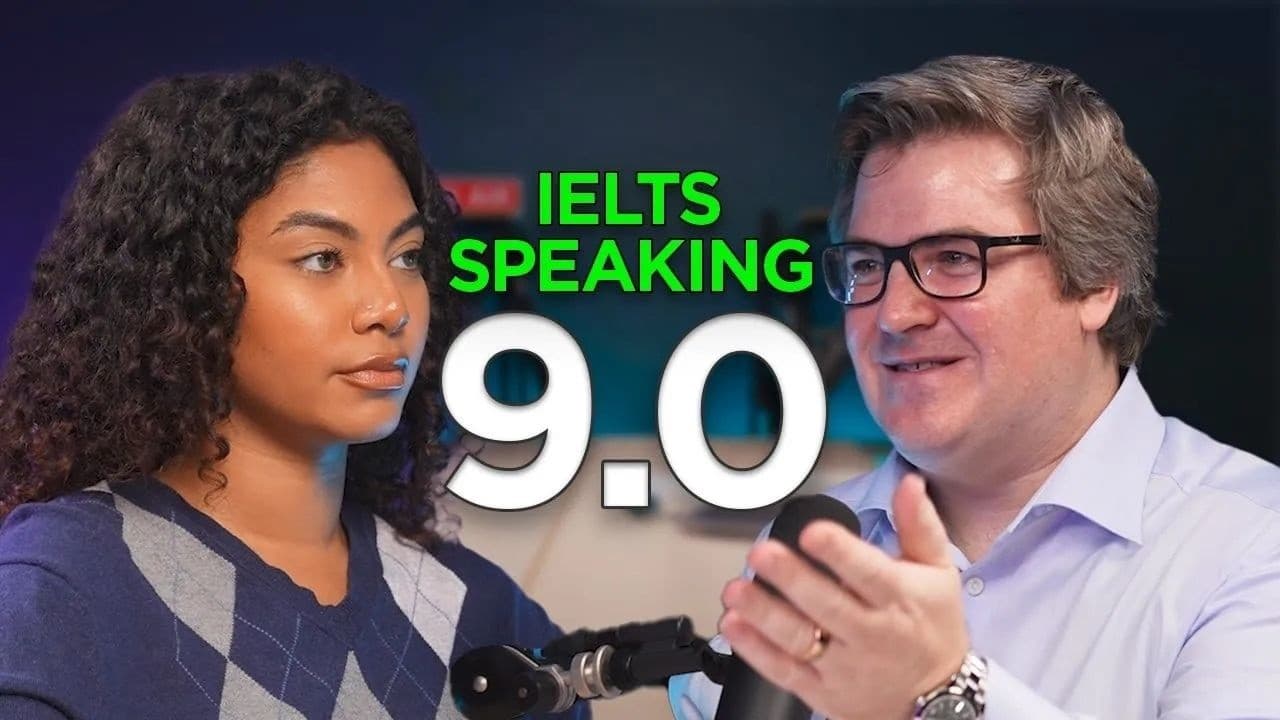
The key to better IELTS Speaking pronunciation is practice with real life stories and clear structure. Use personal experiences to boost fluency and coherence, and apply targeted feedback from a teacher or course to tighten grammar and pronunciation. Consistency and willingness to expand answers help reach higher band scores.
Transcript
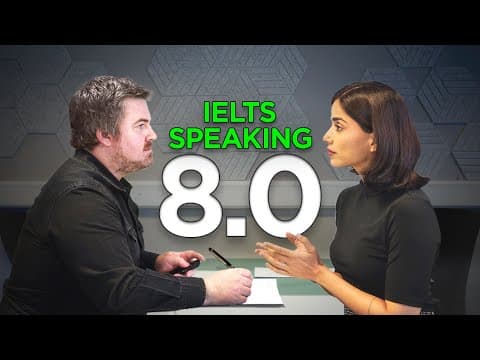
let's start off by talking about your home what's your favorite thing about your home my favorite thing about my home would probably be my dog or my sister I'm not sure because my dog could be annoying sometimes in the morning he likes to wake me up um but my sister is almost the same person as me so I like her company we like to do a lot of the sa... Read More
Key Insights
- The video advocates using real-life stories to improve fluency and coherence in speaking.
- Consistency and regular practice are identified as crucial for long-term skill development.
- Personal interest areas make it easier to talk and expand responses during the exam.
- Real examples from life are preferred over abstract or purely academic content.
- A good teacher can significantly boost learning and exam performance.
- Feedback targets fluency, grammar, and coherence, guiding improvements.
- Steering answers toward familiar topics helps sustain fluency during Part One and Part Two.
- Explaining learning factors through personal experiences, such as talent and effort, enhances credibility and engagement.
Install to Summarize YouTube Videos and Get Transcripts
Explore YouTube Video Summarizer or Get YouTube Transcript Extractor
Questions & Answers
Q: How to start improving IELTS Speaking pronunciation for beginners
The video suggests using real life stories and familiar topics to improve fluency and pronunciation from the start. Begin with Part One questions about home, hobbies, and daily routines, then gradually introduce more details in your answers. Focus on clear pronunciation, natural intonation, and maintaining coherence while sharing relatable examples.
Q: What role do personal experiences play in IELTS Speaking success
Personal experiences help you speak more fluently and confidently, as shown in the video where the speaker uses stories about home life, shopping, and hobbies. By drawing on real memories, you can elaborate naturally, provide concrete details, and demonstrate range in vocabulary. This approach also supports deeper coherence across parts of the test.
Q: How can you expand short answers in Part One
The speaker notes that answers are easier when talking about loved ones or hobbies. To expand, relate the topic to specific activities, preferences, or small anecdotes. Add explanations, reasons, or contrasts, and use linking phrases to connect ideas. This makes responses longer while remaining natural and fluent.
Q: Why is Part Three harder and how to tackle it
Part Three requires more abstract or academic thinking. The video recommends using real life examples from your experiences and then connecting them to broader concepts. Answer with clear structure, present reasons, and illustrate with stories. This helps maintain fluency while showing analytical thinking and depth.
Q: What is the impact of a good teacher on IELTS Speaking improvement
A good teacher accelerates progress by providing targeted feedback on fluency, grammar, and coherence. The video highlights how tailored lessons and supportive guidance help identify weaknesses, offer effective strategies, and keep learners motivated. A strong teacher relationship can translate into higher performance in all parts of the exam.
Q: How to use feedback to raise band scores in IELTS Speaking
Feedback should focus on practical improvements such as extending answers, improving pronunciation, and using varied vocabulary. The video demonstrates examers’ notes and recommended adjustments, suggesting learners apply those tips in subsequent practice, track progress over time, and implement changes to achieve better cohesion and fluency during the test.
Q: What topics should you practice to simulate the test
Practice should cover familiar subjects like home life, shopping habits, free time, and food, as shown in the transcript. Use these topics to craft longer, vivid responses with real details. Include personal opinions and contrasts, and practice transitioning between ideas to mirror the exam’s structure and timing.
Q: How does consistency influence learning pace for speaking skills
Consistency drives steady improvement because frequent practice reinforces pronunciation and grammar patterns, while reducing hesitation. The video underlines ongoing effort and regular feedback loops as essential. A regular routine helps you internalize speaking habits, expand vocabulary, and maintain confidence across all exam parts.
Summary & Key Takeaways
-
The speaker emphasizes using real-life stories and personal experiences to boost fluency and coherence in IELTS Speaking parts. The guidance highlights the importance of clear pronunciation, vocabulary, and managing pauses, with feedback sessions to raise band scores. Practical steps include practicing Part One with familiar topics and expanding answers for Part Three.
-
The video showcases feedback on fluency, grammar, and coherence, and stresses real examples over abstract ideas. It recommends steering responses toward relatable topics, using stories from daily life, and maintaining consistency in practice. The overall aim is to move from fluent talk to accurate accuracy.
-
The content promotes a structured approach to IELTS Speaking, including Part One ease with familiar subjects, Part Two storytelling, and Part Three analytical answers. It underlines the value of a good teacher and a dedicated course, plus ongoing practice and feedback to reach Band 9 potential.
Read in Other Languages (beta)
Share This Summary 📚
Summarize YouTube Videos and Get Video Transcripts with 1-Click
Try YouTube Summary with ChatGPT & Claude or YouTube Transcript Generator
Explore More Summaries from IELTS Advantage 📚
Summarize YouTube Videos and Get Video Transcripts with 1-Click
Try YouTube Summary with ChatGPT & Claude or YouTube Transcript Generator