How Did George Washington Turn the Tide in the American Revolution?
TL;DR
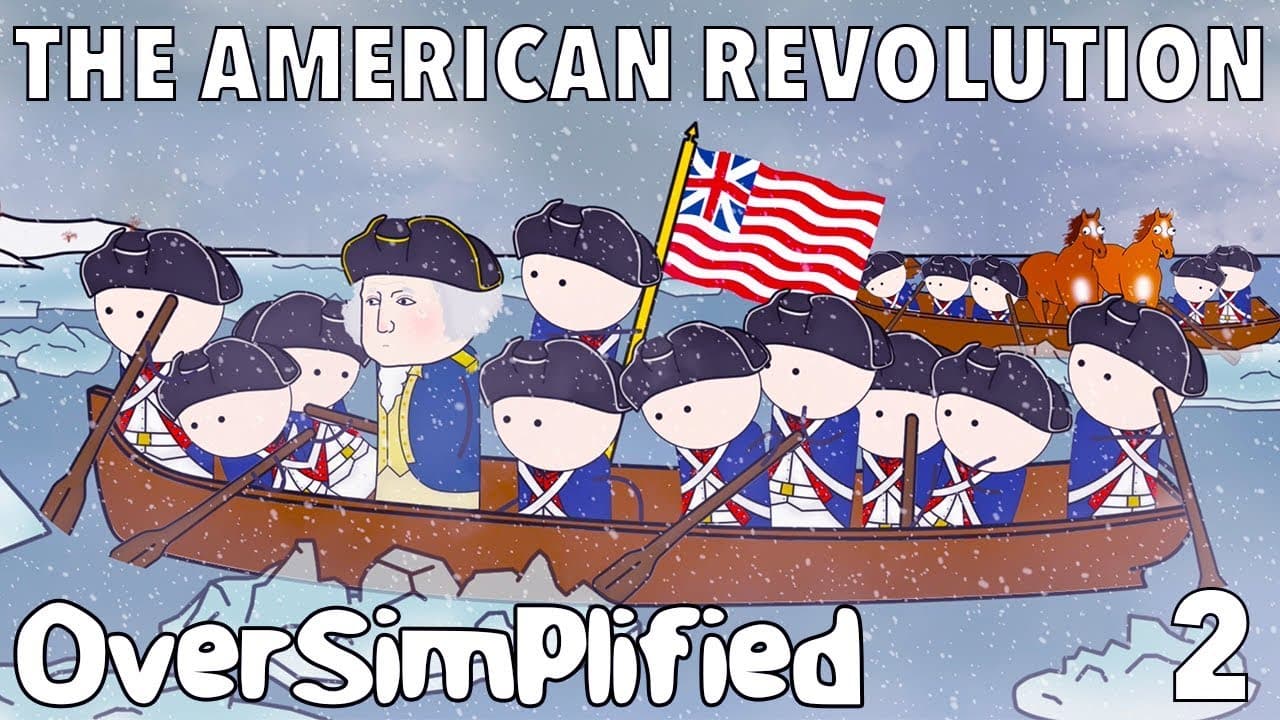
George Washington revitalized the American effort in the Revolutionary War through strategic victories, notably his surprise attack on the Hessians at Trenton. The entry of France following the American victory at Saratoga was pivotal, altering the balance of power favorably for the colonists. The war provided a complex landscape involving various groups, including Native Americans and African Americans, each with their own stakes in the conflict.
Transcript
This video was made possible by Brilliant: math and science done right. Keep watching until the end of the video to learn how you can get 20% off the annual premium subscription! Washington's butt was sufficiently kicked (not licked), winter was here, his troops' morale was low, some just up and left. Washington needed to do something; anything, to... Read More
Key Insights
- George Washington's unexpected winter attack on the Hessians at Trenton was a turning point, boosting American morale and proving the war was far from lost.
- The British strategy to split the colonies by advancing through the Hudson Valley failed due to poor coordination and American resistance.
- The French alliance, secured after the American victory at Saratoga, was crucial in turning the tide against the British.
- Benedict Arnold's betrayal was a significant blow to the American cause, though his plans were discovered before major damage was done.
- The Southern strategy initially favored the British, but Nathanael Greene's unconventional tactics eventually wore down British forces.
- John Paul Jones' naval raids on British shores, though unconventional, significantly impacted British morale and questioned their naval supremacy.
- The American Revolution involved various groups, including Native Americans and African Americans, who played complex roles and faced different outcomes post-war.
- The Treaty of Paris in 1783 formally ended the war, with Britain recognizing U.S. independence and ceding territory up to the Mississippi River.
Install to Summarize YouTube Videos and Get Transcripts
Explore YouTube Video Summarizer or Get YouTube Transcript Extractor
Questions & Answers
Q: What was the significance of Washington's attack on Trenton?
Washington's attack on Trenton was significant as it was a surprise winter assault that caught the Hessian forces off guard. This victory was crucial in boosting the morale of the American troops and demonstrated that the war was far from lost, reinvigorating the revolutionary cause.
Q: How did the French alliance impact the American Revolution?
The French alliance, secured after the American victory at Saratoga, was pivotal in the American Revolution. It provided the Americans with additional military resources, including a powerful navy, which played a crucial role in subsequent battles, particularly the decisive Siege of Yorktown that led to the British surrender.
Q: What was Benedict Arnold's role in the American Revolution?
Benedict Arnold was initially a key American general who played a significant role in several battles, including Saratoga. However, his legacy is marred by his act of treason when he attempted to hand over the fort at West Point to the British. His betrayal was discovered, but he managed to escape and later led raids against American forces as a British officer.
Q: What was the British Southern strategy, and why did it fail?
The British Southern strategy aimed to capitalize on higher loyalist support in the South and capture key economic areas. Initially successful with the capture of Charleston, it ultimately failed due to General Nathanael Greene's unconventional tactics, which exhausted British forces and stretched their supply lines, leading to significant losses.
Q: How did John Paul Jones contribute to the American Revolution?
John Paul Jones was a naval commander known for his daring raids on British shores. His tactics, akin to piracy, involved capturing British ships and attacking coastal towns, which significantly affected British morale and questioned their naval dominance. His actions demonstrated the potential of unconventional warfare in the revolution.
Q: What role did African Americans play in the American Revolution?
African Americans, both free and enslaved, participated on both sides of the conflict, often with promises of freedom. Many who fought for the British were relocated after the war but faced discrimination. Those who fought for the Americans were often returned to slavery despite their contributions, highlighting the complex dynamics of race and freedom during the revolution.
Q: What were the outcomes of the Treaty of Paris in 1783?
The Treaty of Paris in 1783 ended the American Revolutionary War, with Britain recognizing U.S. independence and ceding territory up to the Mississippi River. It also required Americans to honor debts to British creditors and ensure fair treatment of loyalists. The treaty marked a significant geopolitical shift, with Spain regaining Florida and France facing an economic crisis.
Q: How did George Washington influence the formation of the U.S. presidency?
George Washington set many precedents for the U.S. presidency. He established a cabinet, proposed legislation to Congress, and emphasized neutrality in foreign affairs. By voluntarily stepping down after two terms, he set a standard for the peaceful transfer of power, shaping the presidency as a role defined by its limitations and diplomatic leadership.
Summary & Key Takeaways
-
George Washington's leadership during critical battles, especially during the harsh winter, revived American hopes and demonstrated resilience against British forces.
-
The entry of France into the war after the American victory at Saratoga provided crucial military support, significantly altering the balance of power.
-
The American Revolution was not just a conflict between colonists and Britain but involved various groups, including Native Americans and African Americans, each with unique stakes and outcomes.
Read in Other Languages (beta)
Share This Summary 📚
Summarize YouTube Videos and Get Video Transcripts with 1-Click
Try YouTube Summary with ChatGPT & Claude or YouTube Transcript Generator
Explore More Summaries from OverSimplified 📚



Summarize YouTube Videos and Get Video Transcripts with 1-Click
Try YouTube Summary with ChatGPT & Claude or YouTube Transcript Generator