What Shaped Adolf Hitler's Ideology and Early Life?
TL;DR
Adolf Hitler's ideology was shaped by a strict upbringing and personal tragedies, including the death of his younger brother. Failing to gain acceptance to art school led to unemployment and exposure to anti-Semitic sentiments in Vienna, which further radicalized him. His experiences during World War I, including Germany's defeat, intensified his animosity towards Jews and communists, fueling his later political ambitions.
Transcript
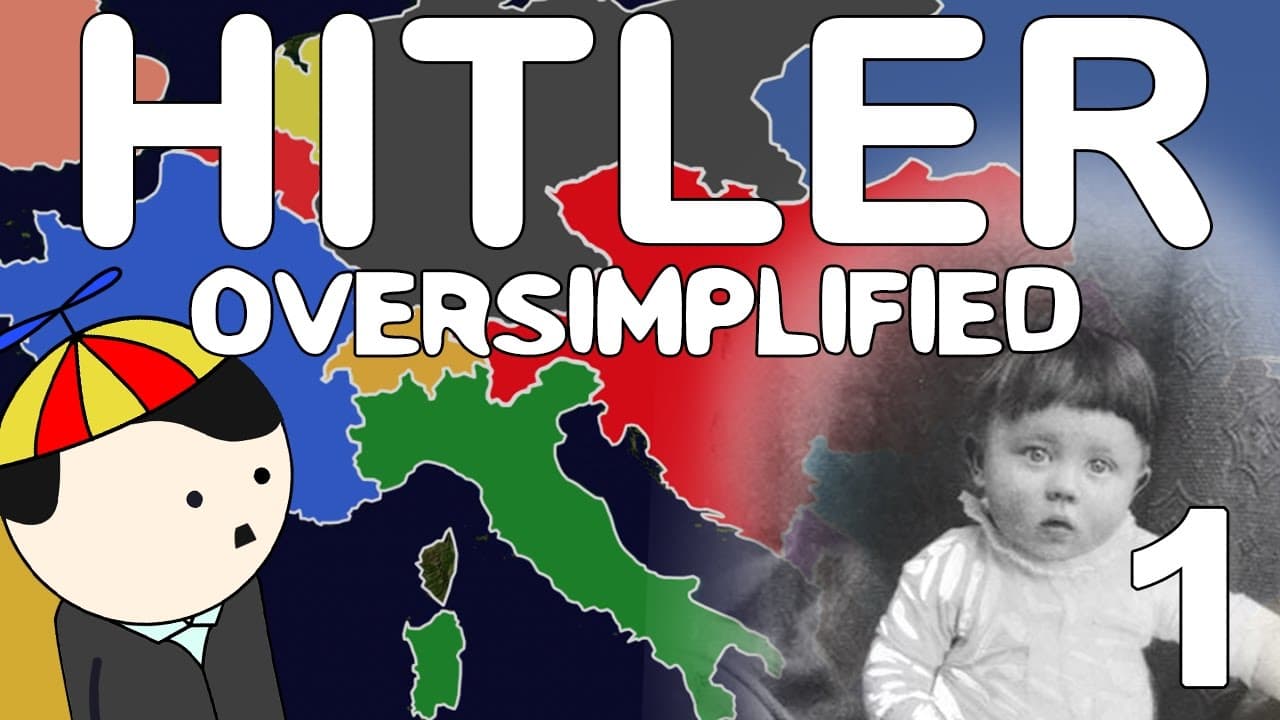
Look at this baby. So gentle, so innocent. You'd think this child would grow up to become a good man, an honest man. Well, think again. alarm sounds Hitler was born Adolphus Hitler in 1889 in a small town in Austria-Hungary. His father, Alois Schicklgruber, was born out of wedlock, but eventually changed his name to that of his stepfather, becomi... Read More
Key Insights
- Adolf Hitler was born in 1889 in Austria-Hungary to a complex family background, which included a strict father and a nurturing mother.
- Hitler's early education was marked by good grades and popularity among peers, but his interest shifted towards German nationalism as he grew older.
- The death of Hitler's younger brother deeply affected him, leading to strange behaviors and a decline in academic performance.
- Hitler aspired to be an artist, but his dreams were thwarted by repeated rejections from art schools, leaving him disillusioned and unemployed.
- Living in Vienna exposed Hitler to widespread anti-Semitic sentiments, which influenced his ideological beliefs and contributed to his future political stance.
- World War I provided Hitler with a sense of purpose, camaraderie, and recognition as a brave soldier, despite the horrors of war.
- Hitler's experience of Germany's defeat in World War I and the harsh peace terms fueled his hatred towards Jews and communists, whom he blamed for the nation's plight.
- The video outlines the formative years of Hitler's life, highlighting the personal and societal factors that shaped his extremist views and political ambitions.
Install to Summarize YouTube Videos and Get Transcripts
Explore YouTube Video Summarizer or Get YouTube Transcript Extractor
Questions & Answers
Q: What was Hitler's family background like?
Hitler was born to Alois Hitler and Clara, his cousin, in Austria-Hungary. His father, a mid-level customs officer, had a history of relationships and marriages. Hitler's childhood was marked by a strict father and a nurturing mother. His family moved frequently, affecting his education and social development.
Q: How did Hitler's early education influence his views?
Initially, Hitler performed well in school and was popular among peers. However, his father's Austrian public official status and the region's German identity influenced him to adopt German nationalist views. His academic performance declined over time, and he developed a strong interest in German unification.
Q: What impact did Hitler's brother's death have on him?
The death of Hitler's younger brother, whom he was close to, deeply affected him. It led to strange behaviors, such as talking to trees and stargazing. This loss, combined with entering high school, contributed to his declining interest in academics and increased his focus on reading and drawing.
Q: Why did Hitler move to Vienna, and what was the outcome?
Hitler moved to Vienna to pursue a career in the arts, hoping to attend art school. However, he faced repeated rejections, which left him disillusioned and unemployed. This period exposed him to anti-Semitic sentiments, influencing his ideological beliefs and contributing to his future political stance.
Q: How did World War I affect Hitler's life?
World War I provided Hitler with a sense of purpose and camaraderie. He volunteered for the German Army, where he was recognized as a brave soldier and awarded the Iron Cross. Despite the war's horrors, he considered it the best time of his life, solidifying his nationalist beliefs.
Q: What were Hitler's views on Germany's defeat in World War I?
Hitler was outraged by Germany's defeat and the harsh peace terms imposed on the country. He believed that Jews and communists were responsible for spreading dissent and anti-war propaganda, leading to Germany's downfall. This belief fueled his hatred and set the stage for his future political ambitions.
Q: How did societal influences in Vienna shape Hitler's beliefs?
Living in Vienna, Hitler was exposed to widespread anti-Semitic sentiments, which were prevalent in the city. The mayor of Vienna, whom Hitler supported, was an outspoken anti-Semite. Hitler absorbed these views, which influenced his ideological beliefs and contributed to his future political stance.
Q: What role did Hitler's personal experiences play in his political ambitions?
Hitler's personal experiences, including a strict upbringing, failed artistic aspirations, exposure to anti-Semitic sentiments, and the impact of World War I, shaped his extremist views. These experiences fueled his nationalist beliefs and hatred towards Jews and communists, driving his future political ambitions.
Summary & Key Takeaways
-
Adolf Hitler's early life was marked by a strict father, a nurturing mother, and a complex family background. Despite initial academic success, his interests shifted towards German nationalism, influenced by his environment and personal experiences.
-
Hitler's aspirations to become an artist were thwarted by rejections from art schools, leading to a period of unemployment and homelessness. This phase exposed him to anti-Semitic sentiments in Vienna, shaping his ideological beliefs.
-
World War I provided Hitler with a sense of purpose and camaraderie, but Germany's defeat and harsh peace terms fueled his hatred towards Jews and communists, whom he blamed for the nation's struggles, setting the stage for his future political ambitions.
Read in Other Languages (beta)
Share This Summary 📚
Summarize YouTube Videos and Get Video Transcripts with 1-Click
Try YouTube Summary with ChatGPT & Claude or YouTube Transcript Generator
Explore More Summaries from OverSimplified 📚




Summarize YouTube Videos and Get Video Transcripts with 1-Click
Try YouTube Summary with ChatGPT & Claude or YouTube Transcript Generator