What Caused World War I to Escalate into Stalemate?
TL;DR
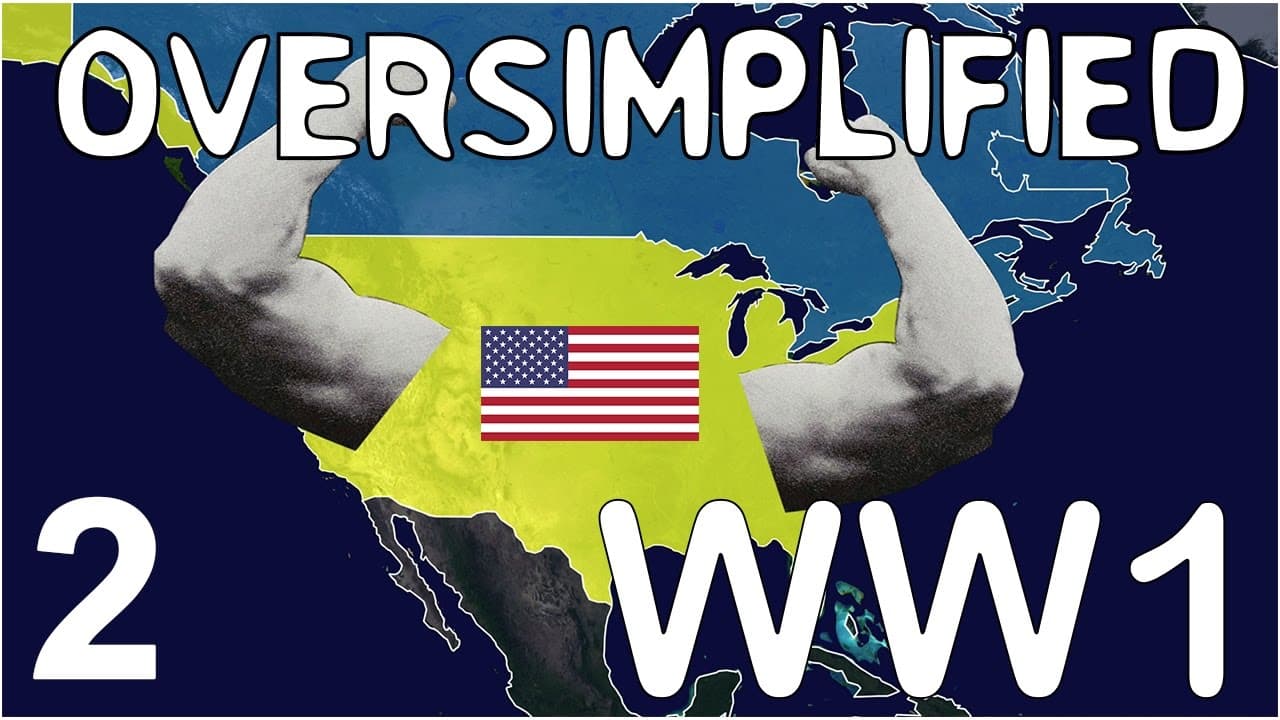
World War I escalated into a stalemate due to a combination of new alliances, brutal tactics like chemical warfare, and strategic failures on both sides. The entry of the United States in 1917 shifted the balance, while the Russian Revolution allowed Germany to focus on the Western Front. Ultimately, internal unrest and military defeats led to the collapse of the Central Powers and the war's end.
Transcript
With both sides stuck in a hard stalemate, they knew this war wasn't going to be about taking territory, but about simply wearing each other down. The Allies had plenty of men to expend from its overseas dominions. And the British also started a naval blockade, so Germany couldn't import stuff, like food. Neither side really wanted a long grueling ... Read More
Key Insights
- The war was characterized by a stalemate on the Western Front, with both sides seeking new strategies and alliances to gain an advantage.
- The Allies gained new members, including Italy and Japan, while the Central Powers were joined by the Ottoman Empire and Bulgaria.
- The use of chemical weapons and unrestricted submarine warfare by Germany marked a significant escalation in the war's brutality.
- The entry of the United States into the war in 1917 provided a crucial boost to the Allies, leading to a turning point in the conflict.
- The Russian Revolution in 1917 led to Russia's withdrawal from the war, allowing Germany to focus on the Western Front.
- The Central Powers were gradually weakened by military defeats, economic hardships, and internal unrest, leading to their eventual surrender.
- The Treaty of Versailles imposed harsh penalties on Germany, including military restrictions, territorial losses, and reparations.
- The war resulted in massive casualties and destruction, but its lessons were not fully heeded, setting the stage for future conflicts.
Install to Summarize YouTube Videos and Get Transcripts
Explore YouTube Video Summarizer or Get YouTube Transcript Extractor
Questions & Answers
Q: What was the main strategic focus of World War I?
World War I was primarily characterized by a stalemate on the Western Front, where both sides were unable to gain a decisive advantage. The focus was on wearing down the enemy through attrition rather than territorial gains. This led to the development of trench warfare and the search for new strategies and alliances to break the deadlock.
Q: How did the entry of new countries affect the war?
The entry of new countries significantly impacted the war's dynamics. The Allies gained Italy and Japan, strengthening their position, while the Central Powers were joined by the Ottoman Empire and Bulgaria. These new alliances opened up additional fronts and complicated the military strategies of both sides, contributing to the war's complexity.
Q: What role did chemical weapons play in the war?
Chemical weapons were a significant and controversial development in World War I. Germany's use of chlorine gas marked a brutal escalation in warfare, violating pre-war agreements. This led to widespread suffering and casualties, prompting the Allies to eventually adopt chemical warfare as well. The use of such weapons highlighted the war's increasing brutality and disregard for previous rules of engagement.
Q: How did the United States' involvement influence the outcome of the war?
The United States' involvement in World War I was a turning point for the Allies. By entering the war in 1917, the U.S. provided fresh troops and resources, bolstering the Allies' ability to counter the Central Powers. This infusion of American strength helped tip the balance in favor of the Allies, contributing significantly to their eventual victory.
Q: What impact did the Russian Revolution have on the war?
The Russian Revolution in 1917 had a profound impact on World War I. It led to Russia's withdrawal from the conflict, allowing Germany to redirect its forces to the Western Front. However, the internal turmoil and subsequent Bolshevik takeover weakened the Central Powers' strategic position, as they lost a significant ally and faced increased pressure from the resurgent Allies.
Q: What were the consequences of the Treaty of Versailles for Germany?
The Treaty of Versailles imposed harsh consequences on Germany, including significant territorial losses, military restrictions, and reparations payments. These terms were intended to prevent future German aggression but instead fostered resentment and economic hardship. The treaty's perceived unfairness and the resulting instability contributed to the rise of extremist movements and set the stage for World War II.
Q: How did World War I shape future global conflicts?
World War I had a lasting impact on future global conflicts. The war's unprecedented scale and devastation highlighted the need for international cooperation and conflict prevention. However, the punitive measures of the Treaty of Versailles and the failure to address underlying geopolitical tensions contributed to the conditions that led to World War II. The war also prompted advancements in military technology and tactics that influenced later conflicts.
Q: What lessons were learned from World War I?
World War I taught several important lessons about the dangers of unchecked nationalism, militarism, and complex alliances. The war demonstrated the devastating consequences of modern industrial warfare and the need for diplomatic solutions to international disputes. However, the lessons were not fully heeded, as the world failed to prevent the rise of totalitarian regimes and the outbreak of World War II two decades later.
Summary & Key Takeaways
-
World War I was marked by a prolonged stalemate on the Western Front, leading both sides to seek new alliances and strategies. The Allies gained Italy and Japan, while the Central Powers were joined by the Ottoman Empire and Bulgaria. The use of chemical weapons and unrestricted submarine warfare escalated the conflict's brutality.
-
The United States entered the war in 1917, providing a crucial boost to the Allies. Meanwhile, the Russian Revolution led to Russia's withdrawal, allowing Germany to concentrate on the Western Front. However, the Central Powers were weakened by military defeats, economic struggles, and internal unrest, leading to their eventual surrender.
-
The Treaty of Versailles imposed harsh penalties on Germany, including military restrictions, territorial losses, and reparations. Despite the massive casualties and destruction, the lessons of World War I were not fully learned, as the world would face another devastating conflict just two decades later.
Read in Other Languages (beta)
Share This Summary 📚
Summarize YouTube Videos and Get Video Transcripts with 1-Click
Try YouTube Summary with ChatGPT & Claude or YouTube Transcript Generator
Explore More Summaries from OverSimplified 📚




Summarize YouTube Videos and Get Video Transcripts with 1-Click
Try YouTube Summary with ChatGPT & Claude or YouTube Transcript Generator