What Caused Prohibition and How Did It Fail?
TL;DR
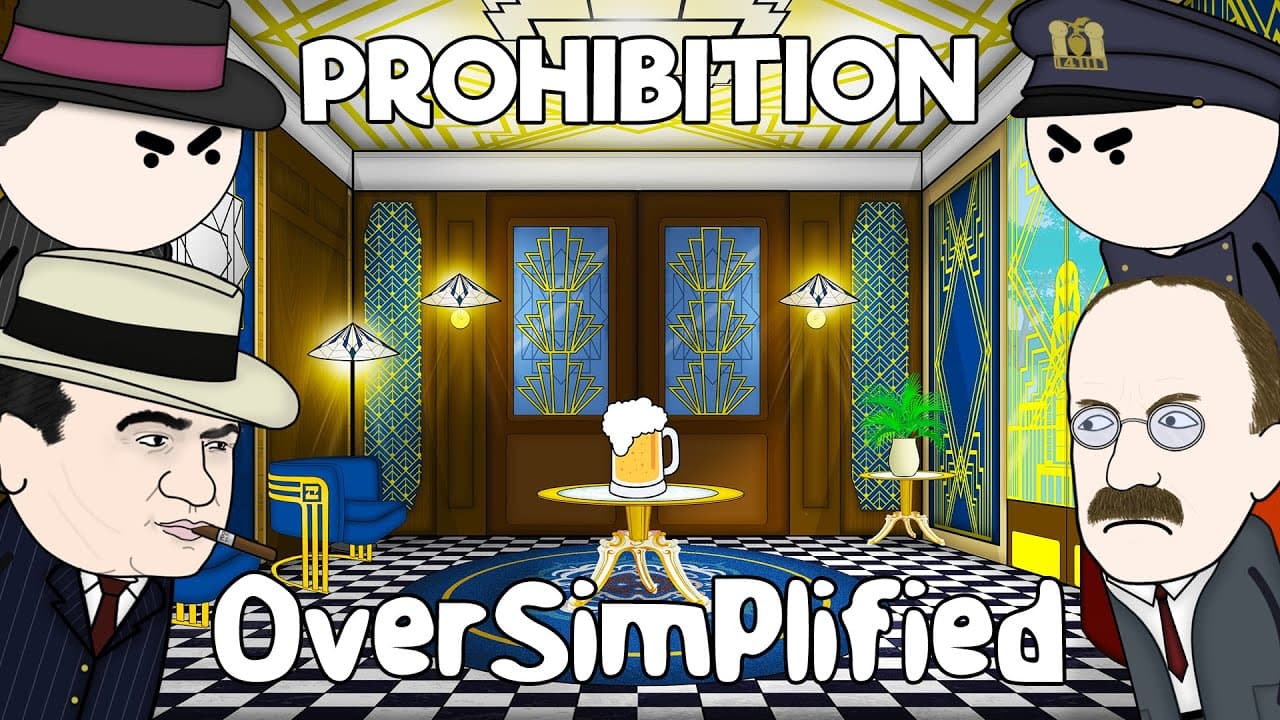
Prohibition aimed to reduce alcohol consumption but resulted in rampant lawbreaking, organized crime, and social unrest. While initially supported by temperance groups, many Americans, including women, turned against it as its consequences became evident. The ineffective enforcement and corruption led to its repeal in 1933 amid growing public disillusionment.
Transcript
- [Narrator] This video was made possible by Honey. Click the link below to save money on your online shopping. And also limited edition Al Capone pins on sale now. Get them quick before they sell out. Link in the description down below. Good morning, Honey. What's for breakfast? The usual. Two caskets of rum, a mug of hard cider, and a full bottle... Read More
Key Insights
- Prohibition in the U.S. was intended to curb alcohol consumption but led to widespread illegal activity and organized crime.
- Women played a significant role in the temperance movement, initially supporting prohibition before many turned against it.
- The Anti-Saloon League was instrumental in pushing for prohibition, using pressure politics and propaganda to sway public opinion.
- Prohibition laws were full of loopholes, allowing people to legally consume alcohol in certain circumstances, leading to widespread lawbreaking.
- The enforcement of prohibition was severely underfunded, leading to rampant corruption among law enforcement and government officials.
- Speakeasies became popular during prohibition, serving alcohol illegally and fostering a new social culture.
- Organized crime flourished under prohibition, with figures like Al Capone becoming notorious for their bootlegging operations.
- The Great Depression and increased public disillusionment eventually led to the repeal of prohibition in 1933.
Install to Summarize YouTube Videos and Get Transcripts
Explore YouTube Video Summarizer or Get YouTube Transcript Extractor
Questions & Answers
Q: What role did women play in the prohibition movement?
Women were pivotal in the prohibition movement, initially supporting it through organizations like the Woman's Christian Temperance Union, which advocated for the ban on alcohol to protect families from the negative effects of excessive drinking. However, as prohibition's failures became evident, many women, led by figures like Pauline Sabin, began campaigning for its repeal.
Q: How did organized crime flourish during prohibition?
Prohibition created a lucrative black market for alcohol, which organized crime syndicates quickly exploited. Figures like Al Capone rose to power by controlling the illegal production and distribution of alcohol. The lack of effective law enforcement and widespread corruption allowed these criminal organizations to thrive and expand their influence, leading to increased violence and lawlessness.
Q: What were some of the unintended consequences of prohibition?
Prohibition led to several unintended consequences, including the rise of organized crime, widespread corruption among law enforcement and government officials, and the creation of a black market for alcohol. It also fostered a culture of lawbreaking and disrespect for the law, as many Americans continued to consume alcohol despite its ban, often in illegal speakeasies.
Q: How did the Anti-Saloon League influence prohibition?
The Anti-Saloon League was a powerful political pressure group that played a significant role in the implementation of prohibition. Led by Wayne Wheeler, the League used propaganda and pressure politics to sway public opinion and influence politicians. They exploited societal fears and targeted politicians who supported alcohol, ultimately contributing to the passage of the 18th Amendment.
Q: What impact did the Great Depression have on prohibition?
The Great Depression had a significant impact on prohibition, as the economic downturn shifted public priorities. With widespread unemployment and financial hardship, many Americans began to view the expensive enforcement of prohibition as a waste of resources. The potential for job creation and tax revenue from legal alcohol sales also contributed to the growing movement for repeal.
Q: Why was prohibition eventually repealed?
Prohibition was eventually repealed due to its widespread failure to curb alcohol consumption and the negative consequences it brought, such as increased organized crime and corruption. The Great Depression further highlighted the need for economic relief, and the potential tax revenue and jobs from legal alcohol sales made repeal an attractive option. Public opinion had also shifted significantly against prohibition by the early 1930s.
Q: What were speakeasies and how did they operate?
Speakeasies were secret bars that operated illegally during prohibition, often disguised as ordinary businesses or homes. They required passwords for entry and were known for their lively atmosphere, featuring jazz music and dancing. Despite being illegal, they were widespread and often operated with the knowledge and bribed consent of local law enforcement, becoming a cultural symbol of the 1920s.
Q: How did prohibition affect the American justice system?
Prohibition strained the American justice system, as the enforcement of the ban on alcohol led to a surge in arrests for alcohol-related offenses. This clogged the courts and diverted resources away from more serious crimes. Many judges began dismissing minor prohibition cases with small fines, reflecting the broader societal disregard for the prohibition laws and contributing to the perception of the era as one of lawlessness and corruption.
Summary & Key Takeaways
-
Prohibition in the United States was a period marked by the illegal production and sale of alcohol, which led to an increase in organized crime and corruption. Despite the initial intent to curb alcohol consumption, the law was widely flouted, and speakeasies flourished.
-
Women initially led the charge for prohibition through groups like the Woman's Christian Temperance Union, but as the negative consequences of prohibition became apparent, many shifted their support to its repeal.
-
The Anti-Saloon League played a key role in the implementation of prohibition, using political pressure and propaganda to sway public and political opinion. However, the law's enforcement was ineffective, leading to widespread illegal activity and eventual repeal.
Read in Other Languages (beta)
Share This Summary 📚
Summarize YouTube Videos and Get Video Transcripts with 1-Click
Try YouTube Summary with ChatGPT & Claude or YouTube Transcript Generator
Explore More Summaries from OverSimplified 📚






Summarize YouTube Videos and Get Video Transcripts with 1-Click
Try YouTube Summary with ChatGPT & Claude or YouTube Transcript Generator