What jobs will AI transform in the workplace?
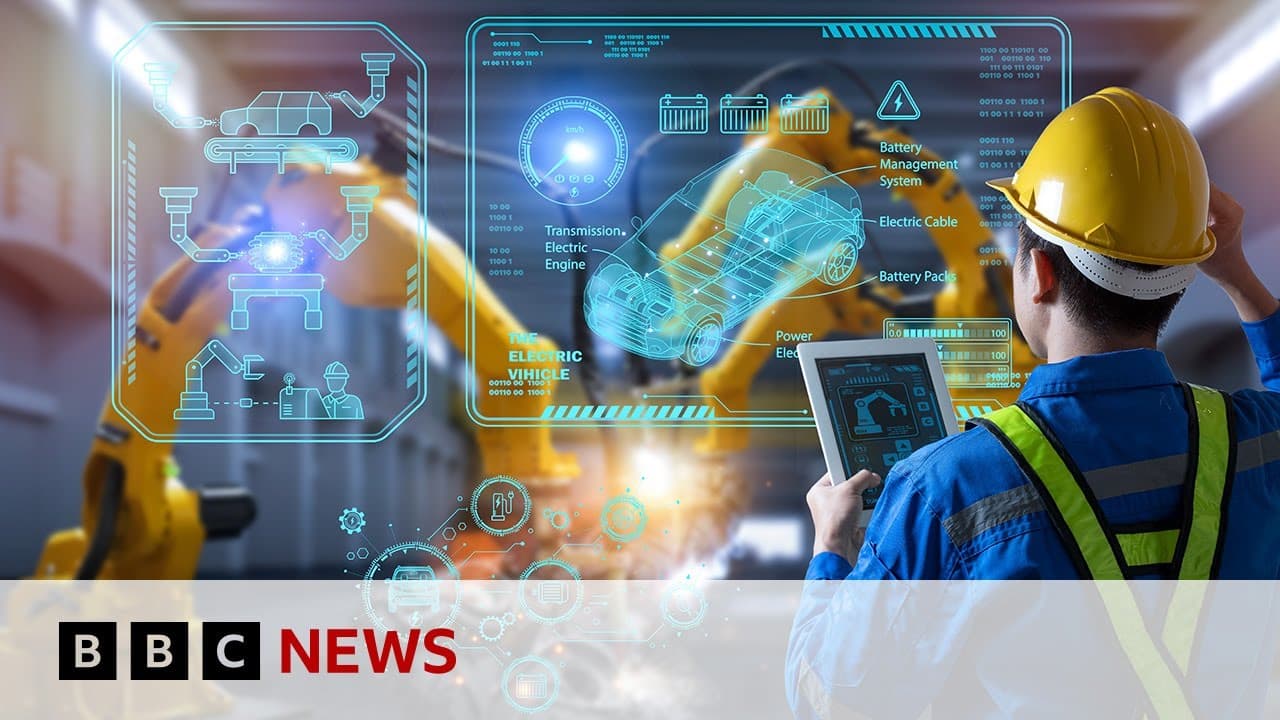
TL;DR
AI will automate many mundane, repetitive tasks while enabling workers to focus on higher value work. Employers and governments are urged to retrain and support workers as AI adoption grows, and to ensure access to new opportunities through responsible deployment and skills development.
Transcript
welcome to AI decoded it's that time of the week when we'll look in depth at some of the most eye-catching stories in the world of artificial intelligence this week we'll turn our attention to employment and what impact AI could have on the world of work while according to this CNN business article AI is replacing human tasks faster than you might ... Read More
Key Insights
- AI can automate mundane tasks, freeing humans for higher value work.
- Job disruption from AI is a concern, but new roles may also be created.
- There is a need for extensive retraining and skills development to prepare workers.
- Organizations are deploying predictive and generative AI tools to aid employees.
- Security and governance are critical as AI adoption increases.
- Educational systems and training programs must adapt to AI demands.
- There is a push for AI to democratize access to opportunities, not just concentrate them.
- Companies see AI as a tool to increase productivity while managing costs.
- More videos from this channel:
- More from this channel: BBC News
Install to Summarize YouTube Videos and Get Transcripts
Explore YouTube Video Summarizer or Get YouTube Transcript Extractor
Questions & Answers
Q: How will AI impact jobs according to the discussion?
AI is expected to automate many mundane tasks and potentially replace certain roles, but it also creates new opportunities across a broad range of industries. The conversation highlights that productivity can rise as AI handles repetitive work, while humans engage in higher value tasks. Retraining and supportive policies are emphasized as essential to manage transitions and ensure workers benefit from AI advancements.
Q: What is the role of government in AI labor market changes?
The speakers argue that governments should assume responsibility for supporting workers affected by AI induced disruptions. This includes retraining programs and policies to help workers transition to new roles as AI changes the demand for skills. The discussion suggests taxpayers may fund these efforts, given the scale of potential employment shifts.
Q: What examples are given of workplaces using AI tools?
Salesforce is highlighted as deploying AI tools to improve onboarding, access to information, and predictive insights for employees. These tools aim to reduce time spent searching for knowledge and to guide new hires and managers toward relevant resources and best practices, thereby increasing efficiency and accelerating ramp times.
Q: How are skills and training addressed in the AI transition?
The program underscores the importance of training in AI and cyber security as foundational to a trustworthy AI future. It points to established programs like Cisco Networking Academy and stresses the need for broad digital literacy to avoid widening societal divides. The goal is to equip people with both advanced AI capabilities and essential digital skills.
Q: What concerns are raised about AI and job displacement?
Concerns focus on the potential for AI to replace certain job tasks and the broader impact on employment. The discussion acknowledges fears about losing work to automation, particularly in roles like call center work, while also noting the need for a balanced approach that includes retraining and creating new opportunities for those affected.
Q: Is there any mention of how AI could affect wage or working hours?
The conversation notes productivity gains from AI, which could influence how work is distributed and performed. While more efficient processes may free time, it is not guaranteed that workers will receive shorter hours or more days off. Instead, the emphasis is on enabling higher value work and potentially shifting job structures.
Q: What is being said about AI and equality or access to opportunities?
The speakers discuss democratizing access to AI benefits, including using AI to source diverse talent and ensure that opportunities are not limited to a select group. They emphasize inclusivity, representation, and responsible AI development as essential to broadening access to new roles and avoiding social divides.
Q: What are the practical steps organizations should take now regarding AI?
Organizations are advised to deploy AI for routine tasks to boost productivity while investing in upskilling employees for advanced roles. They should address governance and security risks, ensure transparent AI usage, and develop training pipelines that align with evolving job requirements. Collaboration with policymakers and educators is also recommended to scale benefits responsibly.
Summary & Key Takeaways
-
AI adoption is accelerating in large firms and will shift how work is done, not just replace it. The discussion emphasizes productivity gains, potential workforce disruption, and the need for retraining programs that align with new AI-enabled workflows.
-
The program features executives from Cisco and Salesforce and references major media reporting on AI labor market disruption, including estimates of jobs at risk and new opportunities created by AI.
-
The overarching theme is the balance between productivity gains and the human costs of automation, highlighting the role of policy, corporate strategy, and education in preparing workers for an AI-enabled economy.
Read in Other Languages (beta)
Share This Summary 📚
Summarize YouTube Videos and Get Video Transcripts with 1-Click
Try YouTube Summary with ChatGPT & Claude or YouTube Transcript Generator
Explore More Summaries from BBC News 📚






Summarize YouTube Videos and Get Video Transcripts with 1-Click
Try YouTube Summary with ChatGPT & Claude or YouTube Transcript Generator