How to limit under fives screen time effectively
TL;DR
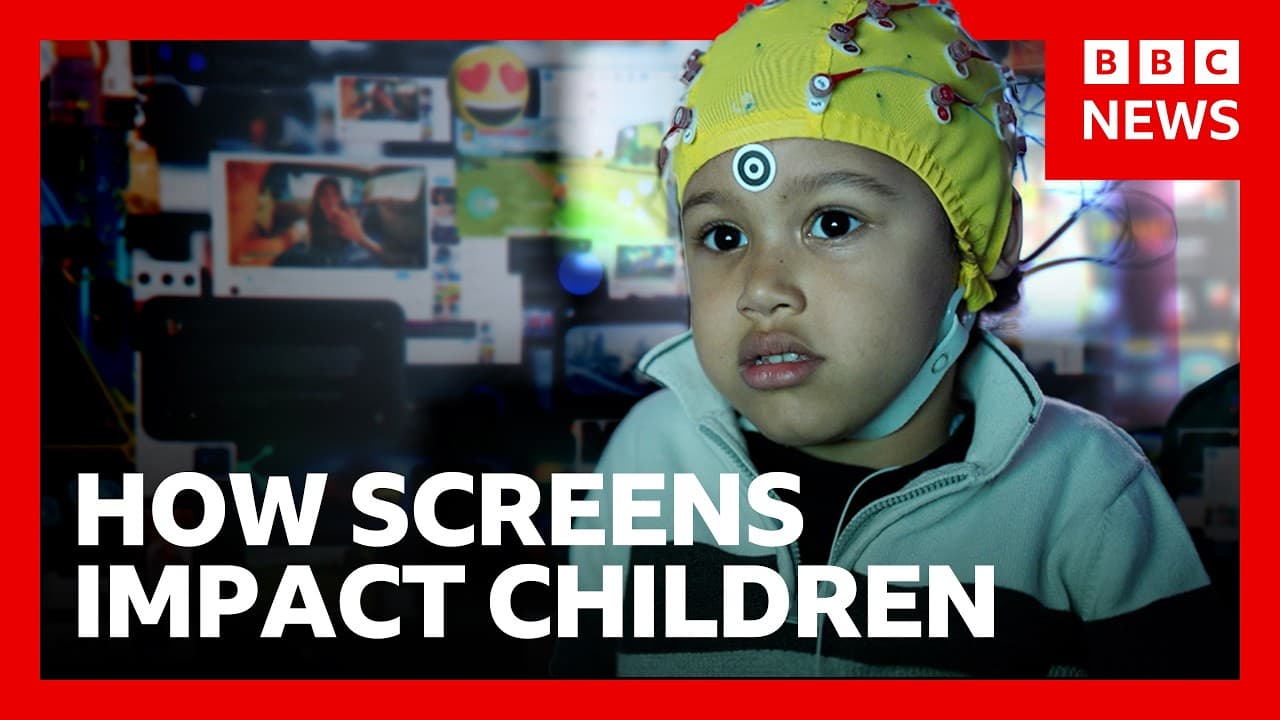
Under fives should have minimal to no screen time alone, with a one hour limit for ages 2 to 5 and no screen use during meals or an hour before bed. Shared screen activities and slow paced, age appropriate content are advised, while fast paced content and AI toys are discouraged. Families find it challenging but feasible with swaps and planning.
Transcript
How much screen time is too much for young brains? >> Scientists in the UK have been looking at what happens when toddlers watch fastpaced content. And this research has informed new government guidelines for screen time for under fives. >> If stuff is happening, coming at us too fast, something called the fight orflight stress system kicks in. >> ... Read More
Key Insights
- Screen time rules: under two should not have screen time alone, and ages 2 to 5 are limited to one hour a day.
- Shared viewing and slow paced content are recommended to help children process information better.
- Fast paced videos and AI toys should be avoided for young children to reduce overstimulation.
- Children’s brains process information around ten times slower than adults, making them more sensitive to rapid on screen changes.
- Increased television viewing in early years is linked to more behavioral dysregulation later on.
- Calming a toddler with screens can worsen behavior over time if relied upon regularly.
- Parents face practical challenges in cutting down screens due to busy schedules and responsibilities.
- Experts recommend using technology as a positive part of family life rather than trying to eliminate it completely.
- More videos from this channel:
- More from this channel: BBC News
Install to Summarize YouTube Videos and Get Transcripts
Explore YouTube Video Summarizer or Get YouTube Transcript Extractor
Questions & Answers
Q: A real search query question about the video (e.g. How to..., What is..., Why does..., When should...). Question 1
What do the new guidelines say about screen time for children under five and why are they in place? The guidance recommends no screen time for children under two and a maximum of one hour per day for ages two to five, with screens not used during meals or the hour before bed. It emphasizes shared viewing and choosing slow paced, age appropriate content to help children process information at their own pace and reduce overstimulation. The evidence cited includes research showing toddlers process information slower and can enter a fight or flight stress response when exposed to fast paced content, which can affect behavior and emotional regulation later.
Q: Question 2
How does the BBC report describe the way screens affect toddler physiology and behavior? The report notes that screens can trigger sympathetic nervous system responses in toddlers, causing heart rate to rise and energy release as if responding to real danger, even while seated. It also links higher TV viewing in early years with later behavioral dysregulation and notes that using television to calm tantrums may worsen the problem over time. This framing suggests that fast paced content is not just a distraction but a potential stressor for young brains.
Q: Question 3
What practical changes do families try to implement to meet the new guidance? Families experiment with swapping morning screen time for dancing and other activities, limiting after school episodes, and trying to keep screens out at meals. They acknowledge that drastic cuts are challenging in a busy household, but small adjustments like setting limits, planning alternative activities, and involving family members in the process can help reduce reliance on screens.
Q: Question 4
What is the role of technology and AI devices in the home according to the report? The report acknowledges that technology is a part of everyday life and that children will encounter AI enabled devices like smart speakers, making it unrealistic to keep them completely away from technology. The guidance suggests balancing technology use and finding ways to integrate it positively into family life while avoiding excessive stimulus for young children.
Q: Question 5
Why is the new guidance considered timely according to the BBC piece? The guidance is framed as a response to rapid changes in how children watch content, with more screens, shorter episodes, more characters, and faster plot changes in the last two decades. Because these changes affect how young brains process information and regulate emotions, government recommendations are updated to reflect evolving evidence and technology use patterns.
Q: Question 6
What evidence connects early screen use with later behavior and emotions? The report cites good quality evidence that increased TV viewing in early years correlates with tantrums and dysregulation later. It also notes that screens can be used to calm tantrums initially but may worsen behavior over time if relied upon as a primary strategy. This underlines the value of alternative calming and engagement methods.
Q: Question 7
How do researchers measure the impact of screens on toddlers in the study? Researchers look at eye tracing, heart rate, and brain activity in response to screen content, observing how toddlers’ bodies react to fast paced movement and auditory changes. They found that toddlers process information slower than adults, which may make rapid screen content more challenging and potentially more stressful for young viewers.
Q: Question 8
What guidance is given to parents for implementing the limits in daily life? Parents are advised to monitor content, choose slower paced programming, watch together, and replace some screen time with activities like reading or play. The emphasis is on realistic, consistent changes, acknowledging that some days are harder than others, and trusting parental instincts to decide when and how to apply the guidance in line with family routines.
Summary & Key Takeaways
-
A government guideline now advises no screens for under two and a maximum of one hour daily for ages 2 to 5, emphasizing shared viewing and slow paced content.
-
Families featured in the report show rough progress with daily swaps, balancing school runs, meals, and bedtime routines while reducing screen time and increasing alternative activities.
-
Experts caution that technology will be part of everyday life and encourage trusting parental instincts while adapting guidance as research evolves.
Read in Other Languages (beta)
Share This Summary 📚
Summarize YouTube Videos and Get Video Transcripts with 1-Click
Try YouTube Summary with ChatGPT & Claude or YouTube Transcript Generator
Explore More Summaries from BBC News 📚






Summarize YouTube Videos and Get Video Transcripts with 1-Click
Try YouTube Summary with ChatGPT & Claude or YouTube Transcript Generator