How to Keep Cities Cool During Extreme Heat
TL;DR
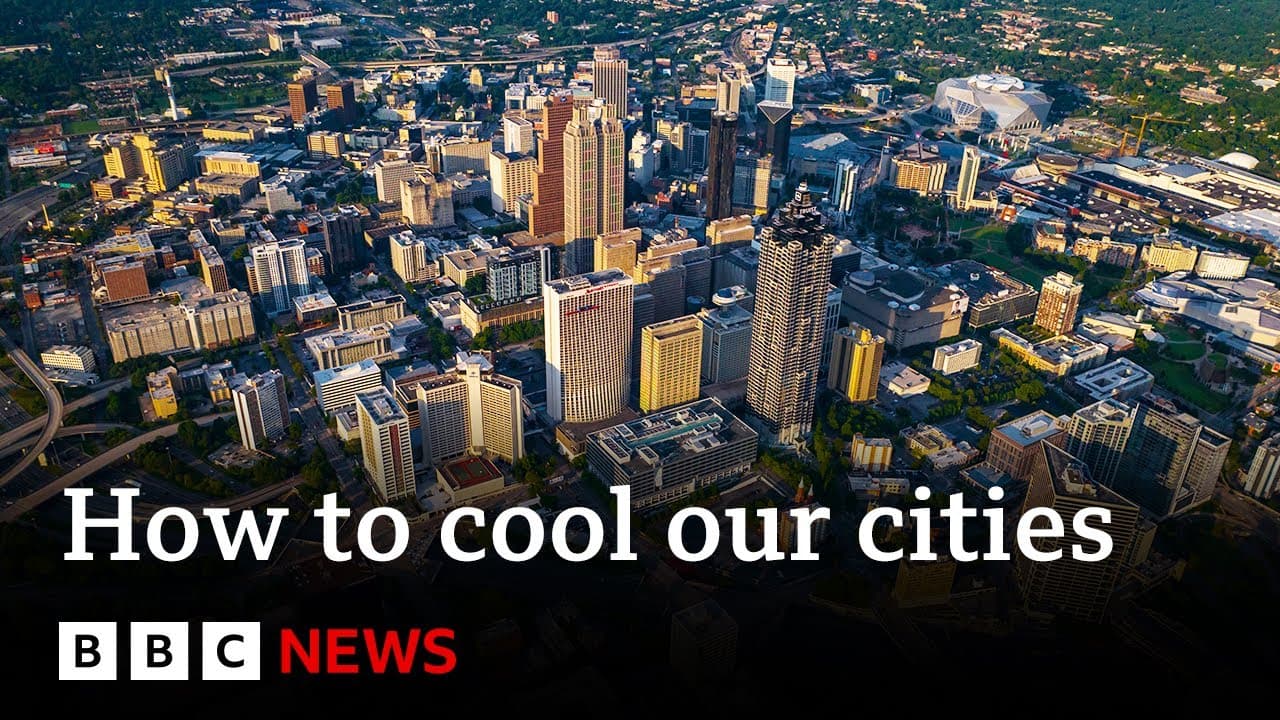
Cities can reduce dangerous heat by expanding tree cover, adding reflective surfaces, protecting green and blue spaces, improving homes, and preparing emergency protocols. These measures cool neighborhoods, protect vulnerable residents, create jobs, improve walking and cycling, and make cities more livable, while reducing fossil fuel use remains essential to limiting future warming.
Transcript
no matter where you live you probably noticed that 2023 was hot in fact the summer was the hottest on record and as we continue to burn fossil fuels the science says our planet will continue to get hotter so how do we keep the cities we live in cool well there are some real life Solutions here and now I'm Carl nasman and this is future Earth welcom... Read More
Key Insights
- Trees are a simple urban cooling tool that provides shade, absorbs excess carbon emissions, and lowers local temperatures. In Atlanta, tree-covered areas can be around 10°F cooler than city streets without trees, while also giving residents safer places to spend time outdoors.
- The urban heat island effect occurs when concrete, tarmac, buildings, and parking lots absorb solar energy, retain it, and release it slowly. The transcript says densely built areas can average up to 20°F hotter than greener neighborhoods, including during already uncomfortable nights.
- Extreme heat is a major public health danger, not merely a source of discomfort. In the United States, it kills more people than hurricanes, tornadoes, and floods combined, and it may contribute to as many as 12,000 premature deaths annually.
- Atlanta's tree canopy is distributed unequally across the city. Downtown has only 3% tree canopy cover compared with nearly 50% across the rest of Atlanta, illustrating how poorer and underserved communities can face greater exposure to dangerous urban heat.
- Urban forests require long-term protection as well as new planting. Atlanta has lost nearly 880,000 trees to development since 2014, while volunteers and community organizations saved 27 acres of old-growth white oak forest and continue maintaining valuable green spaces.
- Chief heat officers coordinate citywide preparation through education, outreach, emergency protocols, housing retrofits, and urban heat island mitigation. Phoenix, Los Angeles, and Miami have created these roles as climate change produces longer and more intense periods of dangerous heat.
- Vulnerable populations need specific protections during extreme heat, including older people, young children, people with pre-existing conditions, and workers exposed outdoors. Proposed labor measures include avoiding dangerous hours, providing breaks and water, and preventing workers from choosing between income and personal safety.
- Urban cooling investments can improve everyday life while preparing cities for higher temperatures. More trees, healthier affordable homes, better transit, reduced single-use car travel, and safer walking and cycling can create local jobs, support businesses, and reduce greenhouse gas emissions.
Install to Summarize YouTube Videos and Get Transcripts
Explore YouTube Video Summarizer or Get YouTube Transcript Extractor
Questions & Answers
Q: How can cities stay cool during extreme heat?
Cities can stay cooler by increasing tree canopy, protecting urban forests, using white or reflective road surfaces, preserving water features, and redesigning public spaces so they release less heat. Officials can support these physical changes with education, emergency protocols, housing retrofits, heat warnings, worker protections, and targeted assistance for residents most vulnerable to dangerous temperatures.
Q: How do trees reduce heat in urban areas?
Trees reduce urban heat by providing shade and cooling the immediate environment around people. They can lower temperatures by around 10°F compared with city streets without trees, while also absorbing excess carbon emissions. Urban forests additionally create outdoor places where residents can remain cooler, making tree planting and long-term maintenance practical responses to rising temperatures.
Q: What is the urban heat island effect?
The urban heat island effect is the higher temperature created when concrete, tarmac, parking lots, and dense buildings absorb the sun's energy and retain it. These surfaces slowly release stored heat, including at night, while areas with trees, water, and reflective surfaces remain cooler. The difference can average up to 20°F between dense urban areas and greener neighborhoods.
Q: Why is extreme heat a serious public health threat?
Extreme heat is a serious health threat because exposure can lead to medical emergencies and premature death, particularly during longer and more intense heat waves. In the United States, it is a bigger killer than hurricanes, tornadoes, and floods combined, potentially contributing to as many as 12,000 premature deaths per year. Even waiting too long at an unshaded bus stop can endanger seniors.
Q: Why does unequal tree cover matter in cities?
Unequal tree cover means some neighborhoods receive much less shade and cooling than others. Atlanta's downtown district has only 3% tree canopy cover, compared with nearly 50% across the rest of the city. Because low-canopy areas often include poorer and underserved communities, their residents can face greater exposure to heat trapped and reflected by buildings and paved surfaces.
Q: What does a chief heat officer do?
A chief heat officer organizes a city's response to dangerous temperatures across multiple departments and programs. The work can include public education and outreach, emergency protocols, housing retrofits, and urban heat island mitigation. Chief heat officers also help cities prepare for longer heat waves, protect vulnerable residents, and connect cooling investments with jobs, healthier homes, improved transit, and more livable public spaces.
Q: Who needs the most protection during extreme heat?
People requiring specific protection include older adults, young children, people with pre-existing conditions, and workers whose jobs expose them to intense heat. Outdoor workers may need restrictions on working during particularly dangerous hours, regular breaks, and access to drinking water. These protections help prevent people from having to choose between earning income and risking their lives.
Q: When should cities begin planting trees for heat relief?
Cities should begin planting trees now because trees need time to grow before they provide substantial shade and cooling. Waiting until extreme heat becomes even more severe will leave communities without mature canopy when it is urgently needed. Planting must also be paired with care, maintenance, and protection of existing forests, especially in dense and disadvantaged neighborhoods with limited shade.
Summary & Key Takeaways
-
Extreme heat is a growing urban health threat as fossil fuel use raises global temperatures and makes heat waves more frequent and intense. In the United States, heat causes more deaths than hurricanes, tornadoes, and floods combined, potentially contributing to as many as 12,000 premature deaths each year.
-
Trees provide shade, absorb carbon emissions, and can lower temperatures by around 10°F compared with streets without them. Atlanta demonstrates both the value and unequal distribution of tree cover, with only 3% canopy downtown compared with nearly 50% citywide, prompting targeted planting in disadvantaged and densely developed areas.
-
Cities can combine nature-based cooling, reflective roads, water, housing retrofits, public education, emergency plans, worker protections, and better transit. Chief heat officers coordinate these measures while prioritizing older people, children, people with existing health conditions, and outdoor workers who face particularly serious risks during extreme heat.
Read in Other Languages (beta)
Share This Summary 📚
Summarize YouTube Videos and Get Video Transcripts with 1-Click
Try YouTube Summary with ChatGPT & Claude or YouTube Transcript Generator
Explore More Summaries from BBC News 📚


Summarize YouTube Videos and Get Video Transcripts with 1-Click
Try YouTube Summary with ChatGPT & Claude or YouTube Transcript Generator