How will US Saudi strikes affect Iran proxies in Iraq?
TL;DR
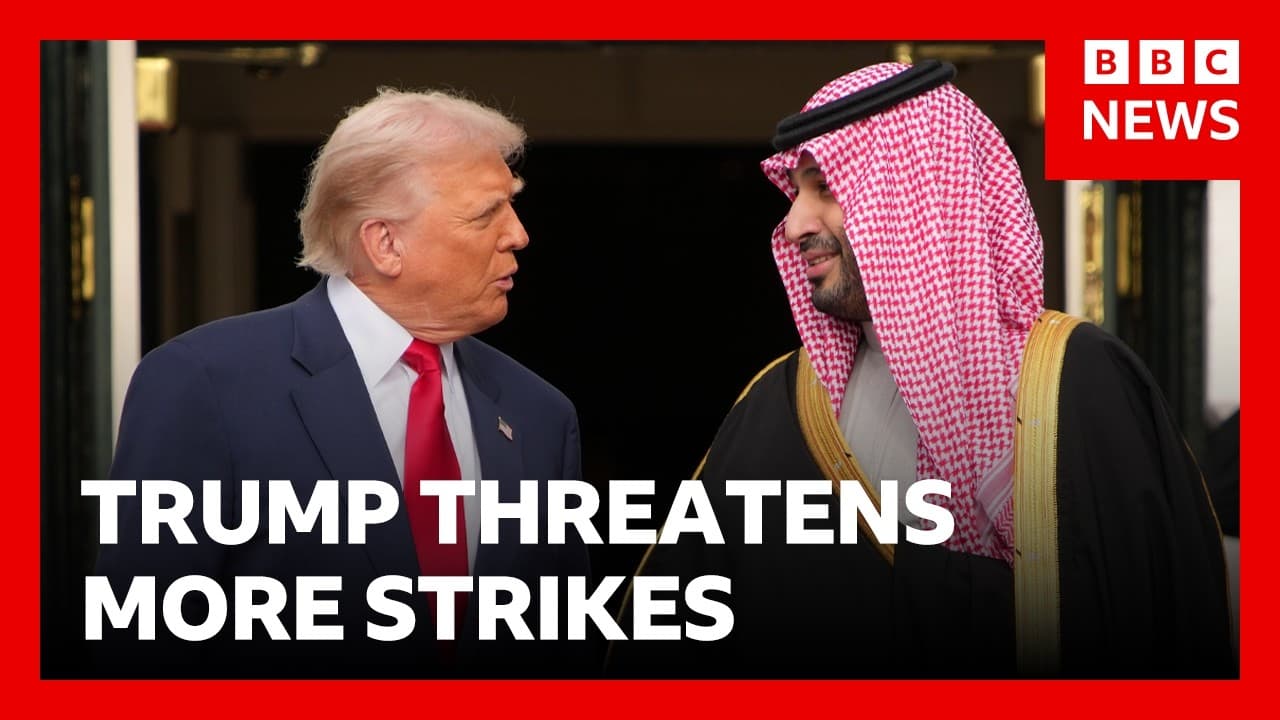
The latest US and Saudi strikes targeted Iraq-based Iran backed militias after Iran launched missiles at US bases. President Trump vowed to hit Iran hard, and Iran's proxies in the region could respond with further attacks. The move raises risks for Iraq's sovereignty and Gulf oil routes while widening the regional confrontation.
Transcript
Hello, I'm Christian [music] Fraser. This is the Iran war today, our daily briefing bringing you up-to-date with all you need to know on the [music] US Israel war with Iran. Let's start with some of today's key developments. Fighting has resumed after 3 days of relative quiet. A surprise attack by Iran intercepted by the US overnight. Tehran said i... Read More
Key Insights
- The US and Saudi conducted joint strikes on Iran backed militias in Iraq, illustrating direct cooperation between Washington and Riyadh in this regional conflict.
- The PMF, a coalition of Iran aligned militias in Iraq, is targeted in the strikes, highlighting Iran influence over Iraqi security proxies.
- Iran has signaled willingness to escalate by threatening to resume attacks on Gulf oil facilities, which could raise regional energy security concerns.
- Saudi Arabia has stated it acts in self defense while emphasizing protection of oil production and oil facilities within its territory.
- President Trump promised a beating to Iran on Fox News, underscoring a hardline stance and potential for further retaliation.
- The strikes come after Iran previously targeted oil tanker routes and energy infrastructure in the region, suggesting a pattern of economic as well as military pressure.
- The involvement of Saudi Arabia marks a significant shift in the region, potentially exposing more of Saudi oil infrastructure to Iranian retaliation.
- The overall situation leaves Iraq exposed to spillover effects and increases the risk of wider confrontation across multiple theaters.
- More videos from this channel:
- More from this channel: BBC News
Install to Summarize YouTube Videos and Get Transcripts
Explore YouTube Video Summarizer or Get YouTube Transcript Extractor
Questions & Answers
Q: A real search query question about the video (e.g. 'How to...', 'What is...', 'Why does...', 'When should...'). Question 1
What caused the latest United States and Saudi strikes in Iraq and how did Iran respond? The strikes followed Iranian ballistic missile activity against US bases and the targeting of oil infrastructure had been part of the broader pattern of escalation. The US and Saudi actions targeted Iran backed militias in Iraq, with official statements framing it as a response to threats and attacks. This raises concerns about further retaliation from Iran and its proxies, as well as potential consequences for Iraqi sovereignty and regional oil markets.
Q: Question 2
What is the PMF and why is it central to these events? The PMF stands for Popular Mobilization Forces, a coalition of Iran backed militias in Iraq. They are described as part of the Iraqi military but largely influenced by Iran. Their importance in this conflict comes from their position as a proxy force that Iran can use to apply pressure within Iraq and regionally, and their potential to respond to US and Saudi strikes by mounting attacks, complicating Iraq’s sovereignty and security situation.
Q: Question 3
What did President Trump say about Iran in relation to these attacks? President Trump promised that Iran would receive a beating, expressing a hardline stance in remarks to Fox News. This rhetoric indicates a willingness to escalate militarily, though it is not always clear what actions will be taken in the immediate future. Such statements contribute to a tense atmosphere and increase uncertainty about possible further strikes or military moves.
Q: Question 4
How might Saudi involvement affect oil security in the region? Saudi Arabia emphasized self defense and the protection of oil facilities, and its participation in strikes could heighten the risk to oil infrastructure in the region. The shift toward direct Saudi involvement raises concerns about broader attacks on energy routes, including the Strait of Hormuz and alternate pipelines, which could influence oil prices and supply stability.
Q: Question 5
What role does Iran play through its proxies in Iraq and the region? Iran maintains influence through proxies like the PMF and groups such as Kataib Hezbollah. These factions can coordinate attacks and strategic moves across Iraq and potentially into neighboring territories. Their actions are used by Iran to project power and pressure US allies, complicating diplomacy and regional security but also creating opportunities for countermeasures by US and allied forces.
Q: Question 6
What could be the implications for Iraq's sovereignty? The strikes and the PMF’s activity raise questions about Iraq’s sovereignty when foreign powers act on Iraqi soil through local militias. The Iraqi government condemned the strikes, signaling tension between maintaining sovereignty and allowing foreign actors to conduct military operations against Iran backed groups within its borders. This situation could lead to increased political instability.
Q: Question 7
What are the potential diplomatic paths forward after this escalation? Diplomatic avenues could include mediated talks to deescalate tensions, restating non aggression commitments, and seeking to limit Iranian influence via international cooperation. The council and Iraqi leadership are likely to be involved in discussions, while mediators seek to restore a balance that avoids a broader regional confrontation and protects critical oil infrastructure.
Q: Question 8
How does this episode fit into the broader Iran US conflict trajectory? The event is part of a continuing cycle of strikes and counter strikes that have characterized the confrontation. It features missile attacks, militia involvement, and vows of retaliation. The broader trajectory involves escalation risks, potential diplomatic shifts, and the need to manage energy security in the Gulf while pursuing strategic objectives.
Summary & Key Takeaways
-
The article outlines a rapid escalation after Iran launched missiles at US bases, prompting joint US and Saudi strikes on Iran backed militias in Iraq. It notes Trump vows a hard response and discusses potential consequences for regional stability and oil security. Iraq sovereignty and Gulf dynamics are central to the discussion.
-
The coverage highlights the PMF as a key Iran proxy in Iraq, its sovereignty threats from threats to act, and the broader risk of protracted conflict involving Saudi Arabia, Iran, and US forces. It frames oil infrastructure and routes as strategic flashpoints.
-
The piece concludes by considering how far Saudi involvement will escalate, whether talks or negotiations might resume, and the potential for further military or diplomatic maneuvers in the region.
Read in Other Languages (beta)
Share This Summary 📚
Summarize YouTube Videos and Get Video Transcripts with 1-Click
Try YouTube Summary with ChatGPT & Claude or YouTube Transcript Generator
Explore More Summaries from BBC News 📚

Summarize YouTube Videos and Get Video Transcripts with 1-Click
Try YouTube Summary with ChatGPT & Claude or YouTube Transcript Generator