Why Is Coca-Cola Consumption So High in Chiapas?
TL;DR
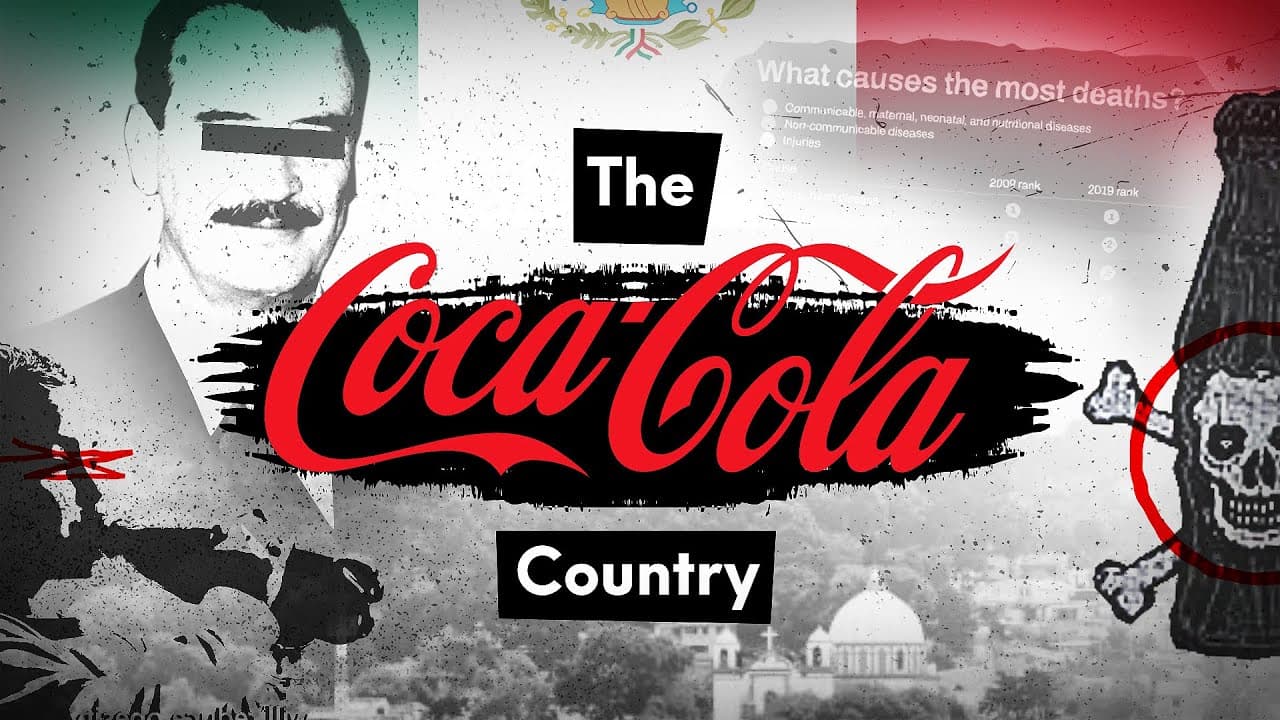
Coca-Cola is often easier to obtain than safe drinking water around San Cristóbal de las Casas, while intensive marketing and widespread distribution have embedded it in everyday life and some indigenous practices. Residents reportedly consume more than two liters of soft drinks daily, exposing them to over 200 grams of sugar and contributing to severe dental, metabolic, and public health problems.
Transcript
This is San Cristóbal de las Casas - in the south of Mexico. It sounds unbelievable but residents here on average drink more than two liters of soft drinks every day. Especially.... Coca-Cola. Too much sugar is killing more and more residents. Most people do not have access to drinking water. In the middle of the Chiapas region, a place named the l... Read More
Key Insights
- Safe drinking water is scarce in San Cristóbal despite the surrounding region having substantial rainfall, rivers, and springs. Available tap water reportedly contains enough chlorine to taste like swimming-pool water, tanker water has uncertain origins and quality, and bottled water can cost nearly as much as Coca-Cola.
- The local Coca-Cola bottling plant has been authorized since 1994 to extract over one million liters of groundwater per day. With roughly 216,000 residents in San Cristóbal, the transcript calculates this volume as approximately 4.6 liters of groundwater per resident each day.
- Water scarcity is also driven by untreated sewage, rapid population growth, deforestation, filled wetlands, inadequate storage, and climate change. Rivers and springs historically supplied the city, but feces and garbage are dumped into waterways because the city lacks a functioning sewage system and treatment plant.
- CONAGUA is the national authority that determines who can use the region's water. It renewed the factory's license in 2005 despite emerging water problems, then rejected later calls from nonprofits, activists, and the San Cristóbal city council to revoke the permit.
- Coca-Cola's popularity in Mexico expanded after its sponsorship of the 1968 Mexican Olympics and the 1994 implementation of the North American Free Trade Agreement. The agreement simplified business with the United States, Coca-Cola became substantially cheaper, and sales expanded rapidly.
- Marketing in Chiapas has specifically targeted indigenous communities since the 1960s through local languages, traditional clothing, and religious undertones. A broad network of small suppliers and traders then made Coca-Cola available even in remote villages, helping integrate the drink into everyday and ceremonial practices.
- Daily consumption of two liters of Mexican Coca-Cola provides more than 200 grams of sugar, according to the transcript. That amount is four times the cited recommended maximum daily intake of 50 grams and can contribute to tooth damage, excess weight, type 2 diabetes, and other diseases.
- Sugar-related illness is a severe public health problem in Chiapas. The transcript says diabetes is among Mexico's leading causes of death, while Chiapas's four leading causes of death are associated with excessive sugar consumption and have risen sharply within a decade.
- More videos from this channel:
- More from this channel: fern
Install to Summarize YouTube Videos and Get Transcripts
Explore YouTube Video Summarizer or Get YouTube Transcript Extractor
Questions & Answers
Q: Why is safe drinking water scarce in San Cristóbal de las Casas?
Safe water is scarce because several problems reinforce one another. Rapid population growth occurred without a functioning sewage system or treatment plant, allowing feces and garbage to pollute rivers. Deforestation, filled wetlands, damaged soil, higher temperatures, reduced regular rainfall, and extreme downpours have harmed water resources. At the same time, the Coca-Cola bottling plant extracts over one million liters of groundwater daily under a government permit.
Q: How much groundwater does the Coca-Cola factory extract each day?
The Coca-Cola bottling plant on the outskirts of San Cristóbal has been permitted since 1994 to extract over one million liters of groundwater per day. The city has roughly 216,000 residents, so the transcript equates the factory's daily extraction to approximately 4.6 liters for every resident. Critics argue that this water could, in principle, be redirected for local use if the permit were withdrawn.
Q: Does the Coca-Cola factory alone cause San Cristóbal's water shortage?
The transcript does not present the factory as the sole cause. Coca-Cola and FEMSA cite poor infrastructure, insufficient government investment, and climate change, and the account acknowledges that these factors are real. Untreated sewage, population growth, deforestation, wetland destruction, and inadequate storage also matter. However, critics question why the factory continues extracting over one million liters daily while residents lack reliable drinking water.
Q: Why is Coca-Cola easier to obtain than water in parts of Chiapas?
Coca-Cola is widely available because decades of commercial expansion created a large network of small suppliers and traders reaching even remote villages. Safe tap water is limited, chlorinated water tastes unpleasant, tanker water may have uncertain quality, and bottled water can be expensive. Under those conditions, a cold Coca-Cola sold at nearly the same price as bottled water becomes a convenient and familiar choice.
Q: How did Coca-Cola become so popular in Mexico and Chiapas?
Coca-Cola's growth in Mexico was supported by its sponsorship of the 1968 Mexican Olympics, successful international advertising, and the 1994 North American Free Trade Agreement, which simplified business with the United States and made the drink much cheaper. Chiapas received additional targeted campaigns using indigenous languages, traditional clothing, and religious themes, while extensive local distribution made the product nearly ubiquitous.
Q: How has Coca-Cola marketing targeted indigenous communities in Chiapas?
Since the 1960s, Coca-Cola has repeatedly directed local campaigns toward indigenous communities in Chiapas. Sponsored signs have used indigenous languages and models wearing traditional clothing, including the sheepskin jacket called a Chuj. Some advertisements also carried religious undertones. FEMSA described such imagery as respectful, but the transcript questions whether it instead helped turn cultural identity into a commercial marketing tool.
Q: What health risks come from drinking two liters of soft drinks daily?
Two liters of Mexican Coca-Cola contain more than 200 grams of sugar, four times the cited recommended maximum daily amount of 50 grams. Sustained consumption at that level can damage teeth, promote excess weight, and contribute to type 2 diabetes and other dangerous diseases. The transcript describes children losing baby teeth and reports that sugar-related causes of death have risen sharply in Chiapas.
Q: Why are indigenous communities in Chiapas especially vulnerable to diabetes?
The transcript attributes the heightened vulnerability to both genetic predisposition and major changes in lifestyle and diet. Displacement, land loss, and environmental pollution have pushed many people away from homegrown fruits and vegetables toward prepared products and sweets. Combined with exceptionally high soft-drink consumption, this dietary shift exposes communities to heavy sugar intake that their previous way of life did not include.
Summary & Key Takeaways
-
San Cristóbal has abundant regional rainfall, rivers, springs, and a large groundwater reservoir, yet residents lack dependable clean water. Rivers are polluted by untreated sewage and garbage, while deforestation, damaged wetlands, inadequate infrastructure, extreme rainfall, rising temperatures, and insufficient public investment have further weakened the local water system.
-
A Coca-Cola bottling plant has been permitted to extract over one million liters of groundwater daily since 1994. Coca-Cola and FEMSA dispute that the plant causes the shortage, pointing to infrastructure and environmental problems. Residents, activists, nonprofits, and the city council have nevertheless demanded that the national authority revoke its permit.
-
Coca-Cola became deeply established through Olympic sponsorship, trade liberalization, indigenous-language advertising, religious imagery, and a network of small suppliers reaching remote villages. Consuming more than two liters daily can deliver over 200 grams of sugar, worsening dental damage, excess weight, type 2 diabetes risk, and other sugar-related diseases.
Read in Other Languages (beta)
Share This Summary 📚
Summarize YouTube Videos and Get Video Transcripts with 1-Click
Try YouTube Summary with ChatGPT & Claude or YouTube Transcript Generator
Explore More Summaries from fern 📚





Summarize YouTube Videos and Get Video Transcripts with 1-Click
Try YouTube Summary with ChatGPT & Claude or YouTube Transcript Generator