How Could China’s Wakhan Highway Reshape Global Trade?
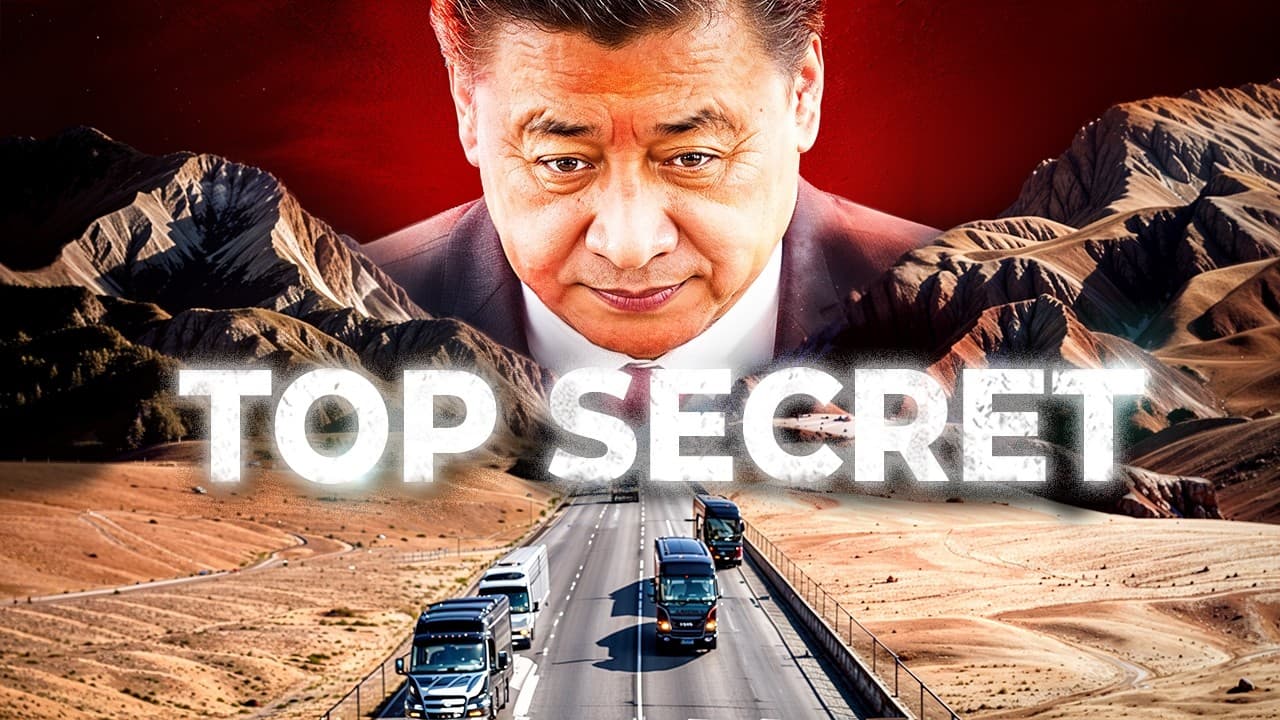
TL;DR
The planned 120 km Wakhan highway could reshape trade by connecting Afghanistan to China and creating an alternative westward route for Chinese goods. The Taliban says the project could transform Afghanistan’s economy, while the corridor could become an important link in China’s new Silk Road and expand its economic influence. Read on to understand the route, its historical setting, its risks, and the investigation’s findings.
Transcript
Look at this map of Afghanistan. There's this weird little strip of land that still technically belongs to the country. That's the Vakhan corridor. It's 350 km long and 16 to 64 km wide. The corridor separates Tajikistan and Pakistan and ends at a short border with China. It's one of the most remote regions on Earth. Huge mountains, barely inhabite... Read More
Key Insights
- The Wakhan Corridor is a 350 km strip of Afghan territory that ranges from 16 to 64 km wide, separates Tajikistan from Pakistan, and terminates at Afghanistan's short border with China.
- The Taliban highway project is a planned 120 km road running southeast from Ishkashim through the Wakhan Corridor toward the Chinese border, with Baza Gonbut identified as a point along the proposed route.
- The highway is presented by the Taliban as an economic connection to China that could alter Afghanistan's prospects while offering Chinese goods an alternative route west and expanding China's regional economic influence.
- The Wakhan Corridor is one of Earth's most remote regions, with high mountains, sparsely inhabited valleys, minimal cell coverage, difficult terrain, scarce clean drinking water, and medical care potentially several days away.
- Afghanistan is a landlocked country of about 650,000 square kilometers and roughly 43 million people, with most residents living in rural areas and numerous ethnic groups, cultures, and languages across its regions.
- The corridor emerged during the nineteenth-century Great Game as a narrow buffer separating the British and Russian empires, embedding the modern highway route within a landscape shaped by imperial competition.
- Afghanistan contains large deposits of copper, iron, rare earths, and gold that the film values at nearly $1 trillion, yet it reports that most of these mineral resources remain untouched.
- Journalistic access is unpredictable under Taliban rule, as national permits did not prevent local authorities in Badakhshan from prohibiting filming under a law described as banning broadcasts of images of living beings.
Install to Summarize YouTube Videos and Get Transcripts
Explore YouTube Video Summarizer or Get YouTube Transcript Extractor
Questions & Answers
Q: How could China’s Wakhan highway affect global trade?
The planned highway could give Chinese goods an alternative route west through Afghanistan. It could also make the Wakhan Corridor an important link in China’s new Silk Road, which the film describes as a global infrastructure project intended to expand Chinese economic influence.
Q: What highway is the Taliban building toward China?
The Taliban is building a planned 120 km highway through Afghanistan’s Wakhan Corridor. According to the project description, it runs southeast from Ishkashim through Baza Gonbut toward the Chinese border.
Q: What is Afghanistan’s Wakhan Corridor?
The Wakhan Corridor is a strip of Afghan territory that is 350 km long and between 16 and 64 km wide. It separates Tajikistan from Pakistan and ends at Afghanistan’s short border with China.
Q: Why could the Wakhan highway matter to Afghanistan’s economy?
The Taliban says connecting Afghanistan to China could transform the country’s economy. The road could provide the landlocked country with a more direct connection to China while opening a route through a region that has remained extremely remote.
Q: Why is traveling through the Wakhan Corridor difficult?
The corridor has huge mountains, tough terrain, barely inhabited valleys, and almost no cell signal. Clean drinking water is difficult to find, parts of the journey rise several thousand meters, and proper medical care could be days away.
Q: What preparations were required to investigate the Wakhan highway?
The team arranged visas, flights, a journalist permit, outside travel experts, and multiple security and risk calls. The reporter traveled with a field producer and medic, carrying 50 kilos of medical and emergency equipment.
Q: Why is the Wakhan Corridor historically important?
The corridor emerged in the nineteenth century during the Great Game between Great Britain and Russia. That rivalry redrew the regional map and created the corridor as a narrow buffer separating the British and Russian empires.
Q: Why was filming the Wakhan highway investigation difficult?
Journalism and media work in Afghanistan required government permission, including a journalist permit. The Taliban also operates checkpoints and searches phones, while the corridor’s limited communications, difficult terrain, altitude risks, and distant medical care made reporting there especially challenging.
Summary & Key Takeaways
-
The Wakhan Corridor is a narrow Afghan territory between Tajikistan and Pakistan that ends at the Chinese border. The Taliban is building a 120 km highway from Ishkashim toward the border, presenting the project as a way to transform Afghanistan's economy and connect the landlocked country more directly with China.
-
The proposed connection could provide another westward route for Chinese goods and make the corridor part of China's new Silk Road infrastructure ambitions. Its significance therefore extends beyond Afghanistan, touching global trade and regional influence, while potentially opening access to substantial Afghan deposits of copper, iron, rare earths, and gold.
-
Investigating the project required visas, a journalist permit, security planning, medical support, emergency equipment, and days of difficult driving from Kabul. The crew faced checkpoints, altitude risks, poor communications, vehicle failures, and changing filming restrictions, including a local prohibition on recording images of living beings in Badakhshan province.
Read in Other Languages (beta)
Share This Summary 📚
Summarize YouTube Videos and Get Video Transcripts with 1-Click
Try YouTube Summary with ChatGPT & Claude or YouTube Transcript Generator
Explore More Summaries from fern 📚






Summarize YouTube Videos and Get Video Transcripts with 1-Click
Try YouTube Summary with ChatGPT & Claude or YouTube Transcript Generator