How Did Jonathan James Hack NASA and Pentagon?
TL;DR
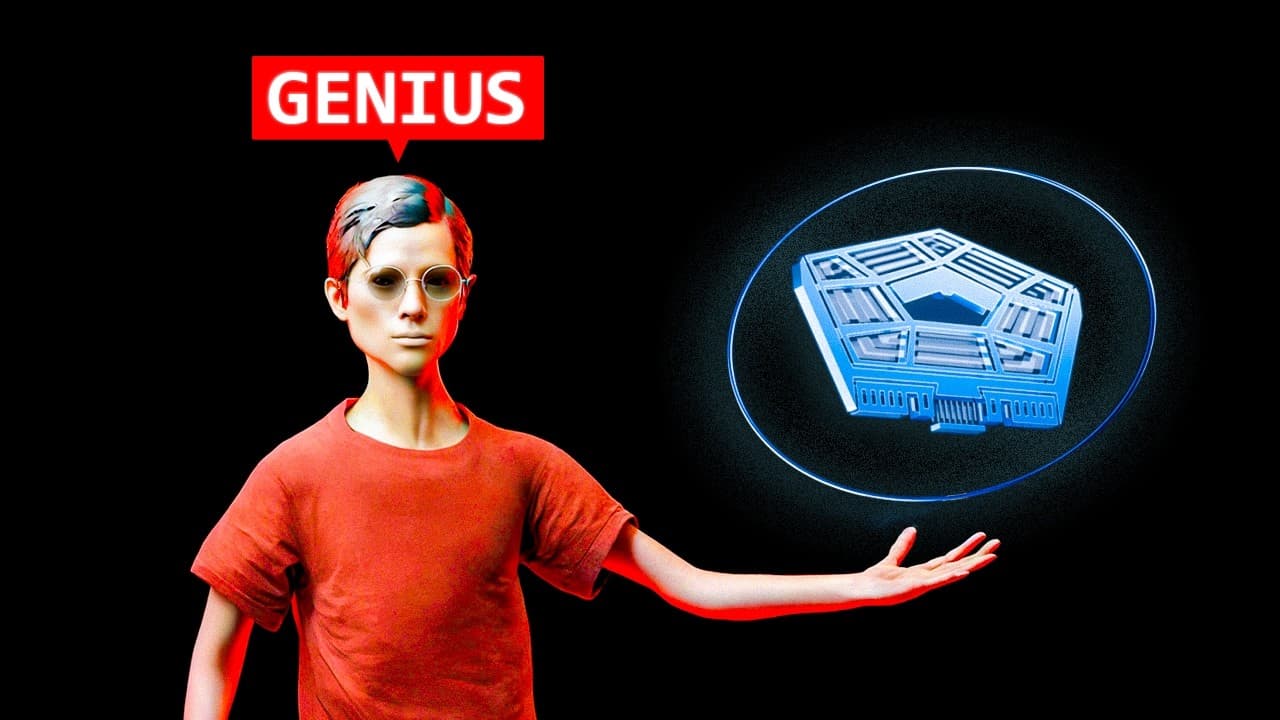
Jonathan James hacked NASA and the Pentagon as a teenager by gaining unauthorized access to government computers, although the precise intrusion methods remain unknown. He accessed 13 NASA computers, downloaded International Space Station control software, and later installed a back door on a Defense Threat Reduction Agency server. His actions led to an FBI raid and a cybercrime conviction. Read on for the targets, consequences, and limits of his access.
Transcript
accused of hacking into Pentagon and Nazi systems. 40 million credit card and debit number stolen. >> On its surface, the International Space Station heats up to 120° C. The onboard temperature and humidity control system keeps the inside at the right temperature for human survival. If it fails, the astronauts stationed here would literally be cook... Read More
Key Insights
- Jonathan James was a self-taught computer prodigy who studied C, Unix, and source code during his early teens. His fascination became so consuming that computer restrictions caused repeated family conflicts, including an episode in which he ran away after his parents confiscated his PC.
- James viewed hacking primarily as a contest against difficult systems, not as a method for stealing money or destroying information. He sometimes contacted system administrators after gaining access, identified security weaknesses, and suggested repairs, although those intentions did not make his unauthorized intrusions lawful or harmless.
- The NASA breach involved unauthorized access to 13 computers at the Marshall Space Flight Center in 1999. James downloaded proprietary software valued by NASA at $1.7 million, which supported temperature and humidity control aboard the International Space Station, reportedly because he wanted to study government-written C code.
- Possessing the International Space Station software did not give James direct control over the station. The account distinguishes downloading source code from gaining the additional access needed to send spacecraft commands, while still characterizing the intrusion as a serious breach that forced NASA systems offline for three weeks.
- The Pentagon-related intrusion targeted the Defense Threat Reduction Agency, which addresses nuclear, chemical, and biological threats. James installed a back door on a server in Virginia, intercepted more than 3,300 staff messages, and obtained 19 employee usernames and passwords, including credentials linked to military computers.
- James became the youngest person convicted of violating United States cybercrime laws after admitting his actions. Because he was a minor, the court imposed six months of house arrest, restrictions on recreational computer use, and letters of apology to NASA and the Department of Defense.
- Juvenile detention changed James's outlook after a positive drug test violated his probation. He served six months in a juvenile facility, feared being confined with criminals, and later regarded the excitement of hacking as unworthy of the consequences, leading him to leave hacking behind.
- Albert Gonzalez's criminal operation differed from James's exploratory hacking by pursuing financial gain through stolen payment-card data. Gonzalez and associates exploited company wireless networks, installed sniffing software, and participated in breaches described as affecting around 180 million credit and debit cards across multiple companies.
Install to Summarize YouTube Videos and Get Transcripts
Explore YouTube Video Summarizer or Get YouTube Transcript Extractor
Questions & Answers
Q: How did Jonathan James hack NASA and the Pentagon?
The precise intrusion methods are described as unknown. In 1999, James gained unauthorized access to 13 NASA computers, and two months later he accessed a Defense Threat Reduction Agency server in Virginia and installed a back door.
Q: What did Jonathan James take from NASA?
James downloaded proprietary software used for temperature and humidity control aboard the International Space Station. NASA valued the software at $1.7 million, while James said he downloaded the source code because he was studying C programming.
Q: Could Jonathan James control the International Space Station?
No. Downloading the source code did not give him remote control of the station because sending commands would have required additional access and more steps.
Q: What damage did the NASA hack cause?
NASA shut down its affected systems for three weeks after discovering the breach. The shutdown resulted in damages of around $40,000.
Q: What information did Jonathan James obtain from the Pentagon-related breach?
James intercepted more than 3,300 messages sent to and from Defense Threat Reduction Agency staff. He also retrieved 19 employee usernames and passwords, at least 10 of which provided access to military computers.
Q: Why did Jonathan James hack government systems?
James treated hacking as a challenge involving skill, power, and control rather than as a way to steal money or destroy information. He called his actions harmless exploration and said he downloaded NASA's source code to study government-written C code.
Q: What punishment did Jonathan James receive for hacking?
James became the youngest person convicted of violating cybercrime laws in the United States. Because he was a minor, the US District Court in Miami imposed six months of house arrest, prohibited recreational computer use, and required apology letters to NASA and the Department of Defense.
Q: How did Jonathan James become skilled at computers and hacking?
As a child, James bypassed parental protections installed by his programmer father. In his early teens, he studied C, Unix, and source code, communicated with other computer enthusiasts, and spent long hours experimenting with computers under the online alias Comrade.
Summary & Key Takeaways
-
Jonathan James developed an intense interest in computers during childhood, studied C and Unix, and became known online as Comrade. He treated hacking as a contest of skill and control, sometimes notifying administrators about vulnerabilities. At 15, however, his unauthorized exploration crossed into major government systems and triggered a federal response.
-
In 1999, James accessed 13 NASA computers and downloaded proprietary software used for temperature and humidity control aboard the International Space Station. NASA shut down affected systems for three weeks, reporting approximately $40,000 in damage. He later compromised a Defense Threat Reduction Agency server and intercepted more than 3,300 staff messages.
-
The FBI raided James's home in January 2000, seizing computers and other items. He admitted his actions and later received six months of house arrest, computer restrictions, and an apology-letter requirement. After violating probation through a positive drug test, he spent six months in juvenile detention and abandoned hacking, according to the account.
Read in Other Languages (beta)
Share This Summary 📚
Summarize YouTube Videos and Get Video Transcripts with 1-Click
Try YouTube Summary with ChatGPT & Claude or YouTube Transcript Generator
Explore More Summaries from fern 📚




Summarize YouTube Videos and Get Video Transcripts with 1-Click
Try YouTube Summary with ChatGPT & Claude or YouTube Transcript Generator