How Teen Hackers Breached US Intelligence Officials
TL;DR
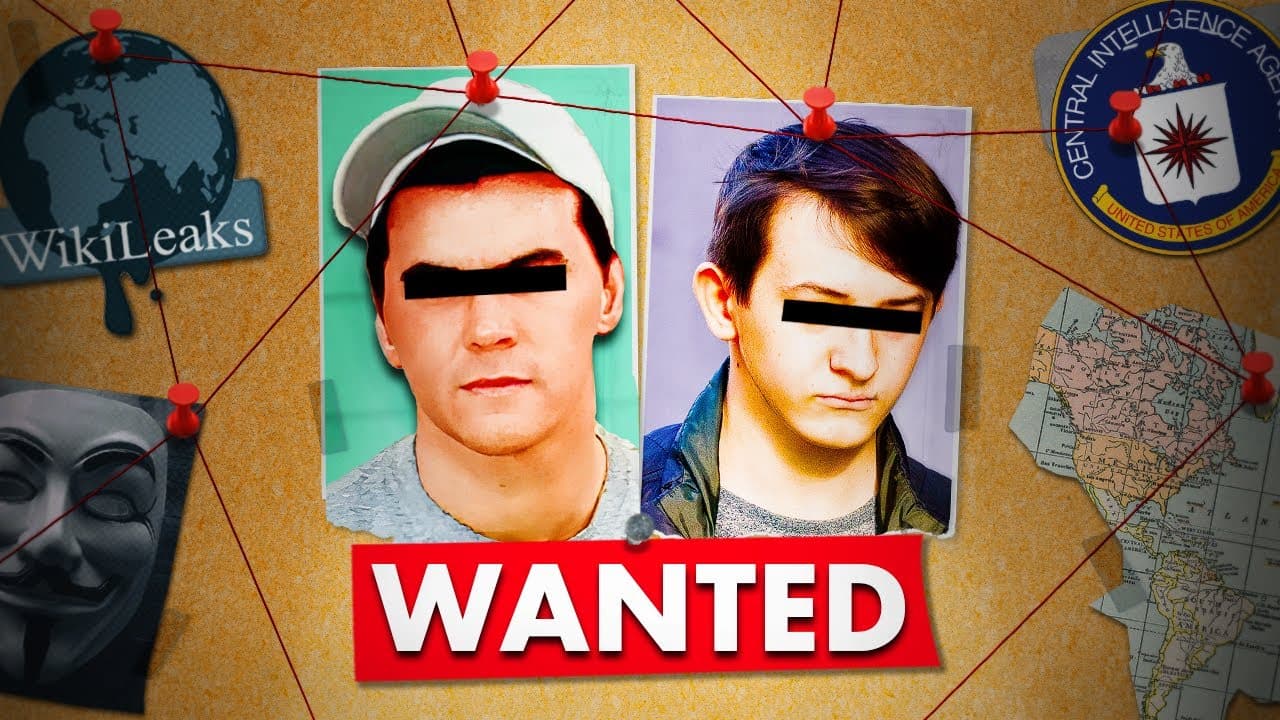
Teen hackers used social engineering, compromised systems, botnets, and strict operational security to target institutions and embarrass US intelligence officials. Their actions mixed political activism with trolling, including exposing sensitive information, attacking websites, supporting animal-rights campaigns, and confronting CIA director John Brennan over US bombing and surveillance policies.
Transcript
it's October 2015 a chilly day in Autumn John Brennan receives a weird phone call it seems to be coming from a stranger he hesitates a second then picks up hello John Brennan who is this you're a lucer if John Brennan hadn't been John Brennan this might have looked like an ordinary prank call but John Brennan happens to be one of the most powerful ... Read More
Key Insights
- Crackers with Attitude was led by a 15-year-old using the alias Cracka, who called CIA director John Brennan in October 2015 and claimed control over him while demanding an implausible $5 trillion.
- The group's stated motivation was political opposition to US bombing in the Middle East, although its activities also involved trolling, identity theft, harassment, leaked personal data, and the exposure of government documents.
- Default began learning about computers through video-game cheating in 2008, then expanded into website hacking after becoming fascinated by Anonymous and its ability to attract worldwide attention without members leaving their bedrooms.
- Anonymous became unattractive to Default because its chats contained suspected federal agents, members were being arrested, trust was difficult, and the large decentralized group suffered from infighting, doxing, and poor vetting.
- A botnet is a collection of infected computers under an operator's control, which can spread malware or overwhelm a server by directing large amounts of traffic toward the target.
- Default deleted Windsor University financial records showing 94 million in student debt, believing the action might relieve borrowers, although the transcript notes that offline backups and signed agreements probably existed.
- The Danish animal-rights operation used government-site defacement, denial-of-service attacks, and published evidence of animal mistreatment to draw international attention to bestiality tourism before Denmark banned bestiality in April 2015.
- Operational security reduced Default's exposure by avoiding his home Wi-Fi, connecting to a Dairy Queen network half a mile away through a satellite dish, using Tor, encrypting devices, and rarely discussing his activities.
Install to Summarize YouTube Videos and Get Transcripts
Explore YouTube Video Summarizer or Get YouTube Transcript Extractor
Questions & Answers
Q: How did teen hackers target CIA director John Brennan?
A 15-year-old hacker using the alias Cracka called CIA director John Brennan in October 2015. During the call, he insulted Brennan, claimed that he already controlled him, and demanded $5 trillion. The government later treated the episode as part of a broader conspiracy involving identity theft, harassment of officials, and cyberterrorism, rather than as an isolated prank call.
Q: What was Crackers with Attitude trying to achieve?
Crackers with Attitude combined political protest with trolling and unauthorized access. Cracka told Brennan that the group wanted the United States to stop bombing the Middle East. The members also sought to embarrass the American security apparatus by leaking personal information belonging to police officers, FBI agents, and Department of Justice officials, and by delivering secret documents to Julian Assange.
Q: How did Default become interested in hacking?
Default first experienced the appeal of manipulating computers when he began cheating in video games around 2008. He then studied how computers worked, hacked random websites for the challenge, and entered chats associated with Anonymous. Anonymous fascinated him because its participants could create chaos, support political causes, and command worldwide attention while operating from their bedrooms.
Q: Why did Default leave the Anonymous community?
Default grew disillusioned with Anonymous because he believed its communities were filled with federal agents and increasingly exposed to arrests. The group's size made effective vetting difficult, while internal fighting and doxing made trust dangerous. He also disliked seeing Anonymous receive credit for operations conducted by other, sometimes more technically sophisticated hackers, so he joined offshoot groups such as AnonSec.
Q: What did Default do with Windsor University debt records?
While inspecting machines controlled through AnonSec's botnet, Default found a Windsor University server and gained access to financial records. He saw student debts totaling 94 million and deleted the records by sending the data to devnull. He viewed the act as relief for people facing persistent debt, although the account cautions that backups and signed agreements likely remained.
Q: How did hackers support Denmark's animal-rights campaign?
Default and other AnonSec hackers used their technical abilities to amplify opposition to legal bestiality in Denmark. They took down or defaced a Danish government website, attacked bestiality websites through denial-of-service methods, and shared evidence of abused animals. The campaign attracted international attention and supported public pressure that eventually reached Parliament before Denmark banned bestiality in April 2015.
Q: How did Default protect his identity while hacking?
Default practiced extensive operational security because he understood that his activities created powerful enemies. He avoided logging into his home Wi-Fi, used a satellite dish to connect to free Dairy Queen Wi-Fi half a mile away, routed connections through a Tor node, encrypted his devices whenever they were turned off, and rarely told anyone what he was doing.
Q: Why did Edward Snowden influence Default's activism?
Edward Snowden's disclosures portrayed US surveillance capabilities as a serious threat to individual privacy and prompted public debate about privacy versus national security. Default was among the young Americans inspired to examine government conduct more critically. Instead of accepting surveillance passively, he wanted senior intelligence officials to experience what it felt like to be watched and have their privacy invaded.
Summary & Key Takeaways
-
A teenager using the alias Default progressed from cheating in video games to exploring Anonymous chats, hacking websites, and joining offshoot groups such as AnonSec. He became attracted to the power of forcing public attention through computers, but eventually rejected Anonymous because of informants, arrests, internal conflict, doxing, and weak member vetting.
-
While examining computers within AnonSec's botnet, Default discovered access to Windsor University's financial records. He found student debts totaling 94 million and deleted the records because he believed he was freeing people from long-term financial burdens. The account notes that backups and signed loan documents may have limited the practical effect.
-
Default increasingly directed his hacking toward causes he considered altruistic. He helped attack Danish government and bestiality websites, publicized animal mistreatment, and supported activists seeking a ban. Denmark prohibited bestiality in April 2015. Later, inspired by Edward Snowden, he wanted intelligence officials to experience the privacy invasion created by government surveillance.
Read in Other Languages (beta)
Share This Summary 📚
Summarize YouTube Videos and Get Video Transcripts with 1-Click
Try YouTube Summary with ChatGPT & Claude or YouTube Transcript Generator
Explore More Summaries from fern 📚



Summarize YouTube Videos and Get Video Transcripts with 1-Click
Try YouTube Summary with ChatGPT & Claude or YouTube Transcript Generator