What Made Action Park so deadly and controversial?
TL;DR
Action Park earned its notoriety from dangerous rides, lax safety, and a founder who avoided proper regulation. It relied on teenage staff, improvised designs, and a self created insurance scheme to cut costs. The result was thousands of injuries and a reputation as the wildest and deadliest park in America.
Transcript
Welcome to Action Park, the world's wildest amusement park and probably the deadliest. Guests regularly get launched off rides. They dislocate their shoulders and lose their teeth or even their fingers. They break their noses, get electrocuted, and weighed in snakeinfested waters. There's more beer for sale than there is ice cream. Guests regularly... Read More
Key Insights
- Action Park operated with minimal safety oversight and used loopholes to avoid permits.
- The staff were often teenagers, sometimes as young as 14, and were not fully trained.
- Rides were improvised or designed by non engineers, increasing risk of failure.
- The owner avoided traditional insurance by creating a fake company to launder funds.
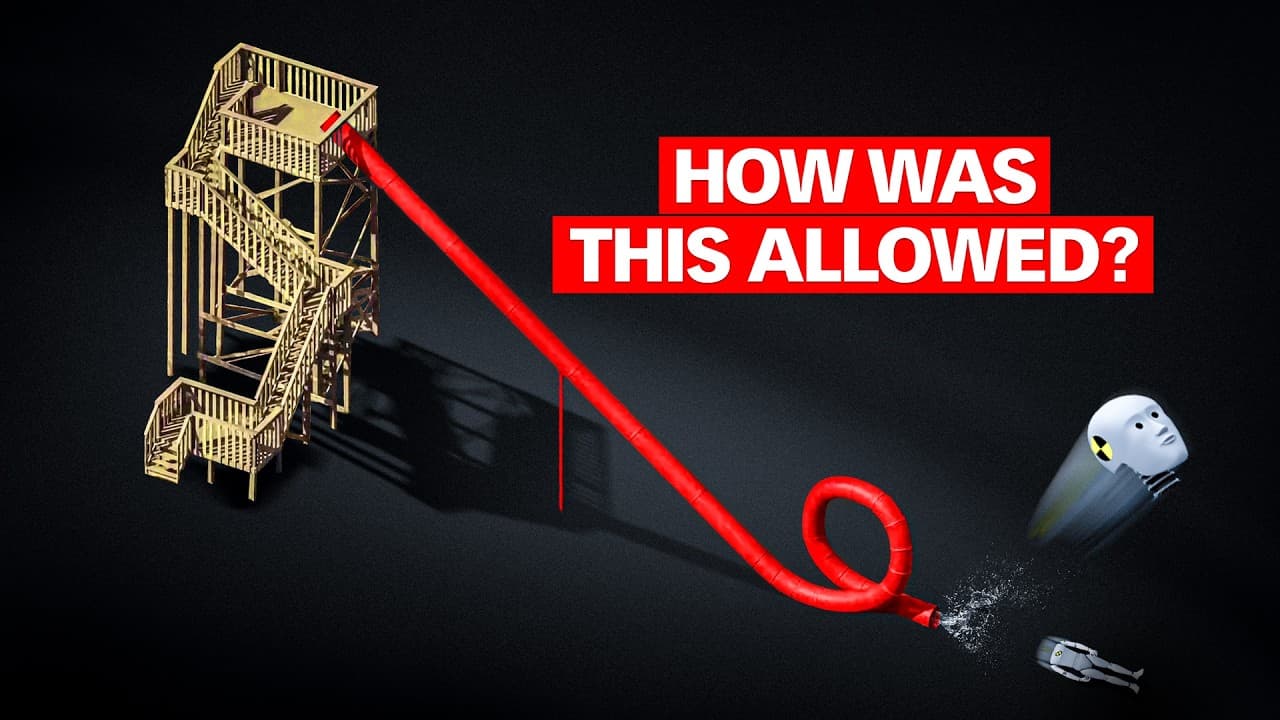
- The Bailey Ball test ride demonstrates how design flaws caused immediate failure.
- Kinetic attractions like speedboats and go karts created high chances of injury.
- State inspectors accepted insurance quotes that met a vague safety threshold rather than actual risk management.
- Public tolerance for danger helped Action Park sustain operations for years.
- More videos from this channel:
- More from this channel: fern
Install to Summarize YouTube Videos and Get Transcripts
Explore YouTube Video Summarizer or Get YouTube Transcript Extractor
Questions & Answers
Q: What made Action Park dangerous compared to typical amusement parks?
Action Park differed from ordinary parks by combining unengineered ride designs, minimal state oversight, and staff who were often teenagers with little training. The owner pursued cost cutting and avoided proper insurance, while rides operated with insufficient safety protocols. This created frequent injuries and scares that became central to its dangerous reputation.
Q: How did the park attempt to avoid permits and regulation?
The owner claimed the park was a sporting attraction rather than an amusement park, delaying or sidestepping permit requirements. This allowed the park to operate while avoiding stricter regulation and costly approvals. Inspections were anecdotal and insurance arrangements were manipulated to appear compliant without real safety guarantees.
Q: Who designed some of the rides at Action Park and what was problematic about that?
Some rides were designed by Gene or unqualified amateurs rather than engineers, leading to unsafe and unpredictable outcomes. The Bailey Ball ride exemplified this risk, where PVC track expansion in heat caused the device to derail, injuring the tester. Lack of engineering oversight translated into clear safety gaps.
Q: What role did teenage staff play in the park’s operations?
Teenagers staffed many attractions, were often paid cheaply, and sometimes worked without proper training. This contributed to inconsistent safety practices, lax enforcement of rules, and a culture that prioritized thrill and speed over rider protection. The pattern of youth staff reflected the park’s risky business model.
Q: How did the park address insurance and financial risk?
Gene Gan created London and World Insurance in the Cayman Islands to simulate insurance coverage while avoiding high premiums. The company enabled him to launder funds and present a facade of risk management without providing real protection for guests. This practice undermined safety accountability.
Q: What is an example of a ride that illustrates the park’s dangerous design philosophy?
The Bailey Ball test ride illustrates the dangerous design approach. A tester was strapped into a rolling ball on a track of glued PVC pipes that warped in heat, causing the ride to derail almost immediately. This demonstrated how engineering rigor was sacrificed for sensational effect.
Q: What impact did the park have on safety perceptions in entertainment venues?
Action Park highlighted how deregulation and profit priorities can erode safety norms in entertainment. By prioritizing thrill and a cavalier attitude toward risk, the park drew large crowds while exposing guests to serious harm. The legacy prompted discussions about monitoring, liability, and accountability in amusement attractions.
Q: What sources contribute to this narrative about Action Park?
The narrative relies on the book Action Park by Andy Mulvahill, the HBO documentary Class Action Park, and a range of interview-based sources that compile firsthand accounts of the park’s operations. These materials provide a composite view of the park’s risk culture and regulatory gaps.
Summary & Key Takeaways
-
Action Park combined reckless ride design with minimal oversight, enabling high injury rates and even fatalities. The park relied on teens as staff and questioned safety protocols to maximize guest attendance and thrill. The founder preferred cost cutting and loopholes over formal insurance and regulations. This created a infamous legacy.
-
Visitors faced frequent crashes, unpredictable ride behavior, and unregulated operations that blurred lines between sport, stunt and danger. The environment rewarded risky behavior and a culture of no risk, no fun. The narrative highlights how deregulation and audacity produced both spectacle and harm.
-
The documentary and sources trace the park’s rise through bold marketing and lax enforcement, ending with broader questions about safety standards and accountability in entertainment venues. It presents a cautionary tale about chasing profit at the expense of guest safety.
Read in Other Languages (beta)
Share This Summary 📚
Summarize YouTube Videos and Get Video Transcripts with 1-Click
Try YouTube Summary with ChatGPT & Claude or YouTube Transcript Generator
Explore More Summaries from fern 📚



Summarize YouTube Videos and Get Video Transcripts with 1-Click
Try YouTube Summary with ChatGPT & Claude or YouTube Transcript Generator