How Victoria Became Queen and Shaped an Empire
TL;DR
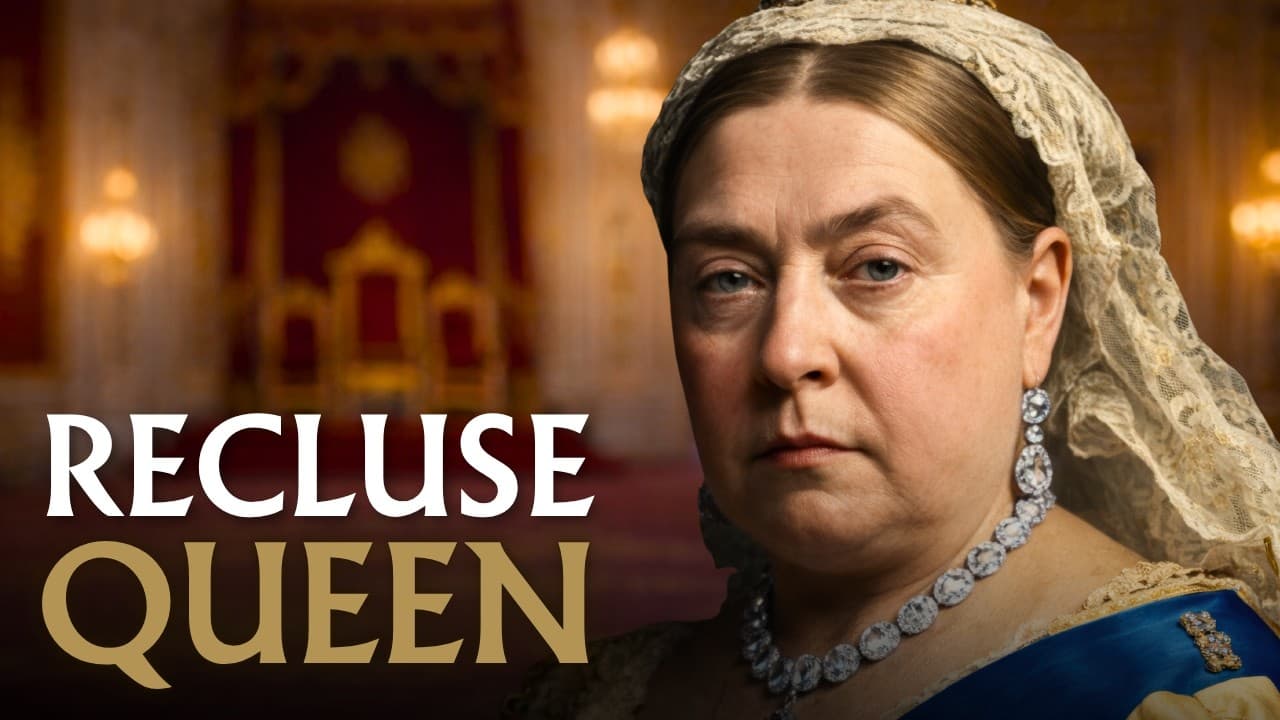
Victoria rose to the throne in 1837 after a rapid line of succession changes, guiding Britain through industrial growth, social reform, and imperial expansion. Her era saw rail and urban changes, education reforms, and political shifts that broadened participation, even as social conservatives opposed some reforms.
Transcript
the woman known to history as Queen Victoria was born on the 24th of May 1819 at Kensington Palace in London her mother was Princess Victoria Marie Louise of sax Coburg salfeld from the Royal House of sax Coburg and gota in modern East Central Germany the daughter of a Duke and a countess she had been married to Charles Prince of leinengan a small ... Read More
Key Insights
- Victoria is born in 1819 at Kensington Palace and becomes heir after early regency and family intrigue.
- The Hanoverian regime fostered industrial growth and global expansion through railways, steamships, and urban development.
- Britain shifts from agrarian to industrial society with rising urban populations and new building technologies.
- Rail, steam and shipping innovations changed how people and goods moved, accelerating economic growth.
- Education reforms begin in the 1870s, with government taking responsibility for children’s schooling.
- Social reform movements gain momentum, including secrets voting in 1872 and anti bribery laws in 1883.
- Despite progress, poverty and crime persist, and Victoria holds traditional social views on class and suffrage.
- By 1900, mass schooling and urbanization reshape British society and contribute to imperial strength.
- More videos from this channel:
- More from this channel: The People Profiles
Install to Summarize YouTube Videos and Get Transcripts
Explore YouTube Video Summarizer or Get YouTube Transcript Extractor
Questions & Answers
Q: How did Victoria become heir to the throne despite an uncertain starting position
Victoria’s path to the throne was shaped by a series of succession changes and deaths within the royal family. Born in 1819 as fifth in line, she moved up after her uncles and father faced premature deaths and political shifts. By 1837 she ascended and led Britain through a transformative era marked by industrialization, social reforms, and imperial expansion.
Q: What role did the Hanoverian era play in Victoria’s reign
The Hanoverian era established a constitutional framework where monarchs had limited direct power, with Parliament guiding lawmaking. This context allowed Victoria to preside over a Britain undergoing rapid industrial and social changes. Her reign capitalized on these structural norms to implement reforms and expand the empire while maintaining political stability.
Q: What major technological changes occurred during Victoria’s reign
Britain’s industrial revolution accelerated with railways, steamships, and new manufacturing processes. The era saw trains speeding from 12 to 80 kilometers per hour, the growth of cities and urban infrastructure, and improvements in building materials and urban planning, all fueling economic growth and reshaping social life.
Q: What were key educational reforms during the period
The government took responsibility for educating children aged 5 to 10 in the 1870s. By 1900, about ninety percent of children regularly attended school. These reforms expanded literacy and skills, enabling a more educated workforce that could participate in a modern economy and politics.
Q: What political reforms occurred during Victoria’s reign
Important reforms included the introduction of secret voting in 1872 to prevent voter intimidation and anti bribery laws in 1883. Although MPs were not paid until 1911, these changes gradually professionalized politics and broadened participation, contributing to a more representative political system.
Q: How did social conditions evolve during Victoria’s era
Britain experienced industrial growth alongside harsh poverty, crime, and social challenges. Urbanization increased as people moved to towns for work in mills and mines, while housing and infrastructure improved with electricity, running water, and sanitation in newer builds, reflecting a complex mix of progress and hardship.
Q: What was the scale of Britain’s population and urban growth
Population increased dramatically from early 19th century levels to about 37 million by the end of Victoria’s reign. Urbanization expanded as towns and factories proliferated, changing living conditions, social dynamics, and the organization of labor, housing, and public services within a rapidly modernizing country.
Q: What characterized Britain’s imperial peak during Victoria’s reign
Britain’s naval power and empire reached their height as industrial and political reforms strengthened the country. Britain expanded trade, global influence, and colonial reach, leveraging technological gains, urban growth, and superior organization to sustain a vast empire that continued to shape world affairs for decades.
Summary & Key Takeaways
-
Victoria’s birth and early life positioned her to inherit the throne in 1837, setting the stage for a long reign marked by industrial expansion and political reform.
-
The era saw major advances in transportation, urbanization, and education, transforming Britain despite widespread poverty and ongoing social debates.
-
Reforms like secret voting and voter protection emerged during her era, while the empire reached its peak under Hanoverian leadership and industrial prowess.
Read in Other Languages (beta)
Share This Summary 📚
Summarize YouTube Videos and Get Video Transcripts with 1-Click
Try YouTube Summary with ChatGPT & Claude or YouTube Transcript Generator
Explore More Summaries from The People Profiles 📚




Summarize YouTube Videos and Get Video Transcripts with 1-Click
Try YouTube Summary with ChatGPT & Claude or YouTube Transcript Generator