How Did Mansa Musa Rise to Rule the Mali Empire?
TL;DR
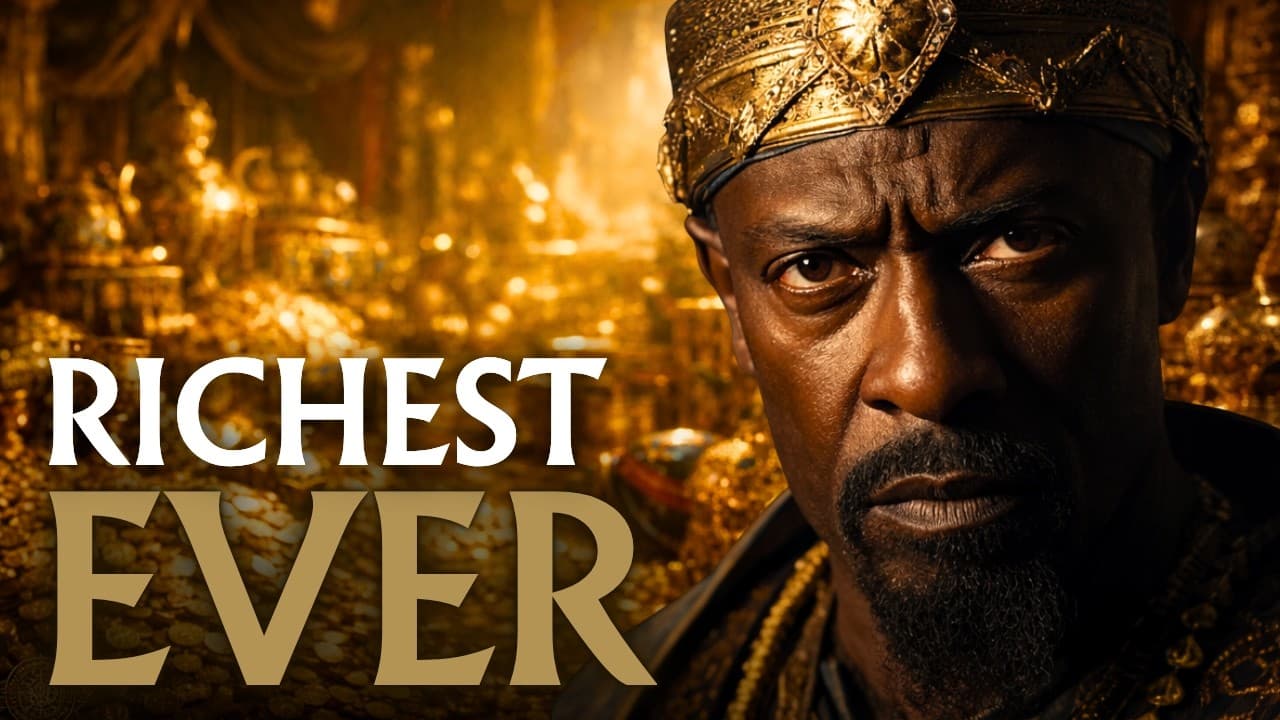
Mansa Musa became ruler after Emperor Muhammad named him caretaker and successor before departing on a perilous Atlantic expedition in 1312. His rise rested on the Keita dynasty, Mali’s immense gold and trade wealth, and a governing structure that united fourteen diverse provinces through governors, judges, civil servants, honors, taxation, and allegiance to the Mansa.
Transcript
The man known to history as Kankan Mansa Musa was born around 1280 AD in the Mali Empire which was located in West Africa. His given name throughout his life was Musa, the Arabic version of the Hebrew name Moses, a man who figured prominently in Jewish, Christian, and Muslim religious beliefs. Musa’s father was Faga Leye who was the son of Abu Bakr... Read More
Key Insights
- Mansa Musa was born around 1280 in the Mali Empire and belonged to the Muslim Keita dynasty. His father, Faga Leye, never occupied the throne, but the family’s bloodline eventually produced seven Mansas who governed during Mali’s rise and decline.
- The Mali Empire originated after Sundiata Keita united several Malinke kingdoms and defeated Sumaoro Kante at the Battle of Kirna in 1235. Its commercially advantageous position among several trade routes helped transform the new polity into a powerful and prosperous regional empire.
- Mali’s political system was built from smaller kingdoms that pledged allegiance to the Mansa. These territories supplied annual tribute in rice, millet, and weapons, while a Great Council helped control trade taxation and succession matters within the expanding imperial structure.
- The Mansa’s wealth was reinforced by a rule assigning every gold nugget found within the empire to the ruler. This arrangement created royal stockpiles and concentrated immense personal wealth in the throne alongside revenue obtained through tribute and taxes on regional trade.
- Mali’s succession rules did not require direct blood descent, which contributed to repeated political struggles. Adopted princes, royal relatives, council-backed candidates, and even Sakura, a court figure whose social origins remain disputed, all competed successfully for authority after Sundiata’s death.
- Emperor Muhammad organized an Atlantic expedition of approximately 400 provisioned ships, but only one vessel returned. The surviving captain described encountering an ocean current resembling a powerful river, while the rest of the fleet continued westward and disappeared.
- Musa became caretaker emperor and designated successor when Muhammad personally led a second Atlantic expedition in 1312. Musa and his family moved into the royal palace at Niani, which functioned as both his residence and the central government of the empire.
- Musa governed fourteen provinces through emirs, while Berber provinces retained their own sheiks. He encouraged loyal administration by creating national honors for provincial managers and relied on judges and civil servants to help implement policies across Mali’s culturally and linguistically diverse communities.
Install to Summarize YouTube Videos and Get Transcripts
Explore YouTube Video Summarizer or Get YouTube Transcript Extractor
Questions & Answers
Q: How did Mansa Musa become ruler of the Mali Empire?
Mansa Musa rose through the royal court while his uncle, Emperor Muhammad ibn Qu, governed Mali. Muhammad became absorbed in Atlantic exploration and personally led a second expedition in 1312 after an earlier fleet disappeared. Before departing, he appointed Musa caretaker emperor and successor. Musa then moved into the royal palace at Niani and assumed responsibility for the empire’s fourteen provinces.
Q: What family background connected Mansa Musa to Mali’s throne?
Musa belonged to the Muslim Keita dynasty and was born around 1280. His father was Faga Leye, the son of Abu Bakr, who reportedly supported his brother Sundiata Keita and served as his second-in-command or lieutenant general. Although Faga Leye never became Mansa, his lineage produced seven rulers who oversaw significant portions of Mali’s rise and decline.
Q: How was the Mali Empire founded under Sundiata Keita?
Sundiata Keita united several small Malinke kingdoms around the Upper Niger River, assembled a well-trained army, and benefited from a commercially favorable location among multiple trade routes. He defeated Sosso ruler Sumaoro Kante at the Battle of Kirna in 1235, an event identified as the birth of the Mali Empire. His rule united numerous tribes, languages, and territories.
Q: Why was the Mansa of Mali extraordinarily wealthy?
The Mansa received wealth through several institutional channels. Smaller kingdoms pledged allegiance and paid annual tribute in rice, millet, and weapons, while trade across the empire was taxed. Most importantly, every gold nugget within Mali belonged to the Mansa. This rule enabled rulers to accumulate substantial royal stockpiles and concentrate the empire’s mineral wealth in the throne.
Q: How did succession disputes shape Mali before Musa’s reign?
Mali’s succession rules did not require a ruler to possess a direct blood connection to the previous Mansa. After Sundiata’s death, his son Uli was followed by adopted brothers Wati and Khalifa amid political conflict. The Great Council later replaced Khalifa with Bata Mande Bori, who was then usurped by Sakura. These changes reveal persistent competition among relatives, court figures, and political factions.
Q: What happened to Emperor Muhammad’s Atlantic expeditions?
Muhammad first ordered approximately 400 ships to sail west with supplies and instructions to return only after finding land or exhausting their food. One ship eventually returned, reporting a powerful ocean current, while the others disappeared. Rather than abandon the effort, Muhammad organized a second voyage, provisioned hundreds of small vessels, and personally departed in 1312, leaving Musa as caretaker and successor.
Q: How did Mansa Musa administer Mali’s fourteen provinces?
Musa governed an empire divided into fourteen provinces. Governors called emirs administered most of them, while sheiks governed the Berber provinces. Musa introduced national honors for provincial managers to encourage devoted service and employed judges and civil servants to carry out his policies. This administrative system helped him oversee communities with different languages, customs, and political traditions.
Q: What educational policy is attributed to Mansa Musa?
Musa is credited by many with beginning the practice of sending students to Morocco for education. Moroccan institutions benefited from ties to Muslim Spain, which the transcript describes as a center of European learning at the time. Musa believed that the education available through those connections surpassed what Mali could provide domestically during that period, making overseas study an instrument of development.
Summary & Key Takeaways
-
Musa was born around 1280 into the Muslim Keita dynasty, whose lineage was closely connected to Mali’s foundation. His father, Faga Leye, never ruled, but their bloodline produced seven Mansas. Musa’s early education remains undocumented, although he became active at the royal court while still in his twenties.
-
The Mali Empire emerged after Sundiata Keita united Malinke kingdoms and defeated Sumaoro Kante at Kirna in 1235. Positioned among valuable trade routes, Mali absorbed diverse kingdoms and communities. Its rulers collected tribute and trade taxes, while every gold nugget belonged to the Mansa, creating extraordinary stores of personal wealth.
-
Emperor Muhammad pursued Atlantic exploration and sent roughly 400 ships westward. After only one vessel returned, he organized another expedition and personally departed in 1312. Muhammad appointed Musa caretaker emperor and successor, placing him over fourteen provinces. Musa then used honors, administrators, judges, and education initiatives to strengthen imperial government.
Read in Other Languages (beta)
Share This Summary 📚
Summarize YouTube Videos and Get Video Transcripts with 1-Click
Try YouTube Summary with ChatGPT & Claude or YouTube Transcript Generator
Explore More Summaries from The People Profiles 📚

Summarize YouTube Videos and Get Video Transcripts with 1-Click
Try YouTube Summary with ChatGPT & Claude or YouTube Transcript Generator