What did ancient humans actually do during the night?
TL;DR
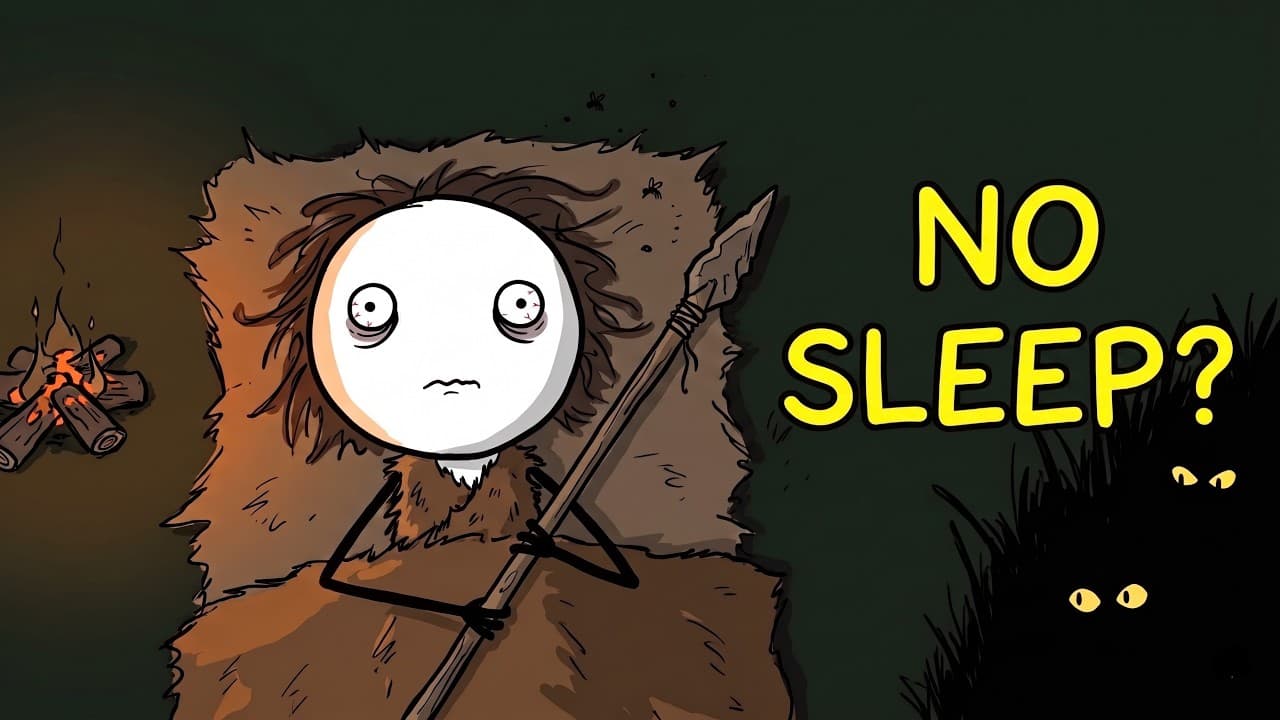
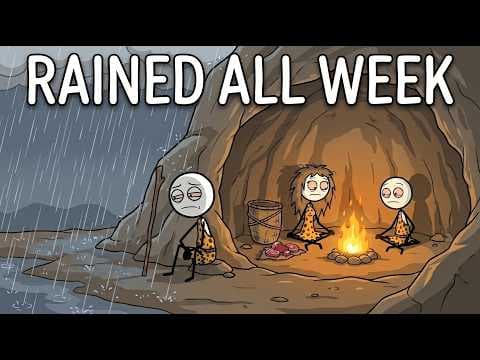
Ancient camps avoided complete darkness by keeping a fire lit and some people awake while others slept nearby. Moon phases influenced predator patterns and nightly activity, and sleep tended to be about six and a half hours with overlapping shifts from early birds and night owls. Fire, dance, art, and storytelling filled the night when light allowed it.
Transcript
You wake up at 3:00 a.m. some nights and you just can't fall back asleep. You blame your phone or stress or that coffee you had too late. Maybe you're a night owl instead. You feel tired all evening and then your brain suddenly switches on after midnight. Or maybe you sleep like a rock, but one small noise in the dark still has you wide awake in a ... Read More
Key Insights
- Ancients used fire as a portable light source to carry light with them and extend activity into the night.
- The Hadza, San, and Timman slept about six and a half hours with variations across seasons, contradicting the idea of long uninterrupted sleep.
- Lions and other predators hunted after dark when the moon was low and nights were darker, affecting where and when people stayed awake.
- Moon phases served as a warning calendar in ancient camps, guiding safe times to stay near fires.
- Epeme dances on moonless nights suggest that nights could be dangerous and yet filled with communal ritual that helped survival.
- Cave art and torch light indicate people painted and created under fire light, possibly watching motion in flames like early cartoons.
- Beds and bedding existed 200,000 years ago, with ash layers to deter insects, showing attention to comfort and pest control.
- Sleep sharing across generations created an overlapped schedule that improved group vigilance against predators and improved safety.
Install to Summarize YouTube Videos and Get Transcripts
Explore YouTube Video Summarizer or Get YouTube Transcript Extractor
Questions & Answers
Q: What did ancient humans do after sunset according to the video?
Ancient humans kept at least some activity going after sunset using fire as a light source. They talked around the fire, carried light out of the camp with torches or lamps, and performed rituals like the epeme dance on dark, moonless nights. This extended waking hours beyond sunset and contributed to storytelling, art, and social cohesion.
Q: How long did Hadza, San, and Timman groups sleep according to the study?
The study tracked 94 people over more than 1,100 days and nights and found that the average night of sleep was about six and a half hours, closer to six in summer. This challenges the myth that ancient people slept far longer or slept in two distinct shifts.
Q: What is the poorly sleeping grandparent hypothesis?
The poorly sleeping grandparent hypothesis proposes that a mixed-age group with early birds and night owls slept more safely. Overlapping bedtimes with some awake while others slept creates staggered guarding, making it harder for predators to approach undetected, enhancing group safety during the night.
Q: What role did the moon play in ancient nocturnal life?
The moon acted as a warning calendar, indicating which nights to stay near the fire. Bright moonlight could hinder predators like lions, while darker nights without the moon prompted more activity and ritual dances such as the epeme. This pattern helped shape when people chose to stay near light.
Q: What evidence exists for art and writing activity by fire light?
Cave paintings from Chauvet and Rufinyak show that people painted by firelight, with some artworks suggesting movement due to flickering flames. Experiments in Isuntza cave tested torches and lamps, revealing light durations that could support wall painting, drawing, and even early storytelling under fire light.
Q: How did ancient people sleep in relation to predators and safety?
Sleep schedules were not uniform; the group tended to sleep in shifts and overlap. Extreme safety concerns meant waking and resting were distributed, so no one slept through the night entirely. This multi-layered sleep strategy helped ensure vigilance against predators while the rest could recover.
Q: What practical sleep accommodations did ancient camps use?
Evidence shows grass beds with ash layers to deter crawling insects, suggesting thoughtful bedding. The ash underneath the grass and burnt leaves indicated an approach to comfort and pest control, enabling longer times near the fire without as many discomforts.
Q: Why is the epeme dance significant in understanding nocturnal life?
The epeme dance on the darkest nights reveals a purposeful human practice that engages the senses in absence of light. It signals that communities used ritual and collective movement to cope with fear of predators, preserve cohesion, and perhaps honor ancestors, reinforcing a social and practical function to night activity.
Summary & Key Takeaways
-
People slept around a fire and moved by light, not in total darkness, which shaped nightly routines.
-
Moon light dictated predator activity and influenced when groups stayed close to fire for safety.
-
Sleep in hunter gatherer groups was often a mix of awake hours and overlapping rest periods, not a single rigid schedule.
Read in Other Languages (beta)
Share This Summary 📚
Summarize YouTube Videos and Get Video Transcripts with 1-Click
Try YouTube Summary with ChatGPT & Claude or YouTube Transcript Generator
Explore More Summaries from Ink Explainer 📚

Summarize YouTube Videos and Get Video Transcripts with 1-Click
Try YouTube Summary with ChatGPT & Claude or YouTube Transcript Generator