How does Muse AI find and cancel subscriptions
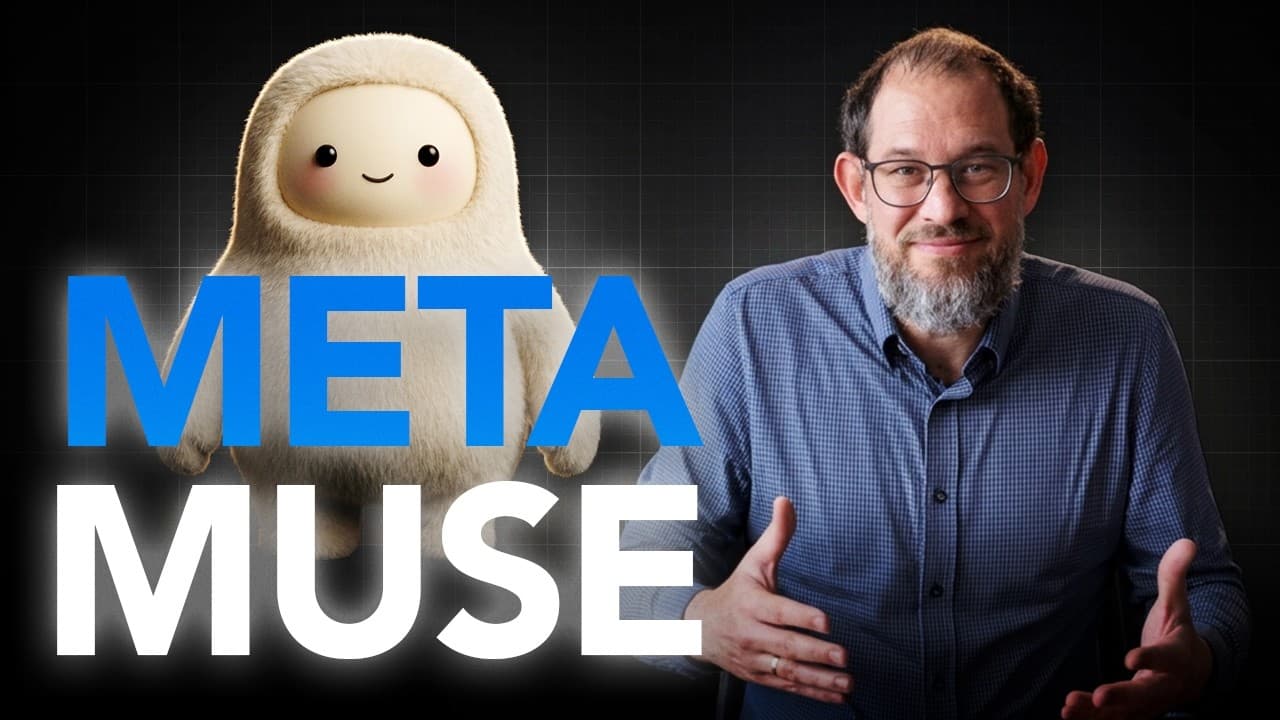
TL;DR
Muse can automatically identify and cancel forgotten subscriptions, saving substantial money. It also demonstrates how an AI assistant can take over boring, repetitive tasks, freeing time and attention for more valuable work. The result is a widely adopted tool that challenges traditional customer service and bill management practices for individuals.
Transcript
You probably have a subscription you've meant to cancel, a bill you suspect is too high, or a refund you never found time to chase. You know there's MONEY THERE. GETTING IT BACK means finding the account and reading the rules and maybe spending lunch break with customer support. So, another month goes by and the money keeps getting spent out of you... Read More
Key Insights
- Muse is used to identify recurring charges across different services and to pursue refunds where possible, turning a boring administrative task into measurable savings.
- The key to Muse is an intuitive avatar and clear status indicators that make the AI actions visible and understandable to non technical users, reducing distrust and friction.
- Muse emphasizes simple onboarding and minimal user input, so most users can start using it with a phone number and basic integrations, which expands its potential audience.
- Users report concrete savings in insurance, subscriptions, and other recurring costs, demonstrating the practical monetary impact of AI assisted bill management.
- Muse has the potential to reduce time spent on phone calls and manual negotiations, converting long, tedious tasks into faster automated processes.
- The tool relies on data handling practices that require user consent and transparency about when humans are involved, balancing automation with privacy considerations.
- The video frames Muse as a product that can change where users spend their attention, raising strategic questions for large platforms about competing ownership of user focus.
- Muse is positioned as a consumer friendly AI that aims to be free for most uses, with paid tiers for heavier usage, influencing its accessibility and growth trajectory.
- More videos from this channel:
- More from this channel: AI News & Strategy Daily | Nate B Jones
Install to Summarize YouTube Videos and Get Transcripts
Explore YouTube Video Summarizer or Get YouTube Transcript Extractor
Questions & Answers
Q: How can Muse help me cancel subscriptions and recover money quickly
Muse can examine your subscriptions and identify recurring charges that you might have forgotten, suggesting cancellations where appropriate and pursuing refunds if allowed by the policy. The process involves connecting accounts, reviewing terms, and taking action to stop future charges. This can save time and reduce ongoing costs, especially for memberships you rarely use.
Q: What kind of tasks is Muse best at handling for a typical user
Muse excels at repetitive, administration heavy tasks such as managing subscriptions, comparing offers, and coordinating schedules. It can gather information from different sources, apply user preferences, and carry out actions like cancellations or refunds. By focusing on routine jobs, Muse frees time for more meaningful activities.
Q: Why did Amazon reportedly block Muse from its store according to the video
According to the video, the block is tied to concerns over how AI assistants influence where users spend their attention. The narrative suggests that blocking could protect Amazon's ad business and user engagement dynamics, though the speaker argues the decision may be about control of user focus rather than only policy or privacy reasons.
Q: What makes Muse appealing to non technical users
Muse emphasizes simplicity, a friendly avatar, and straightforward status indicators that show what the AI is doing. Onboarding is minimal, and users do not need deep technical knowledge to start, making AI assisted help accessible to people who have not previously cared about AI technologies.
Q: How does Muse impact user attention and time management
Muse consolidates and streamlines tasks that typically require user time and attention, such as tracking bills and coordinating calendars. By handling these tasks automatically, it reduces cognitive load and frees up time, potentially shifting how people allocate their attention toward more valuable activities.
Q: What are potential privacy considerations when using Muse
The video notes that Muse may involve human contractors in some calls, which raises transparency concerns about when a human is involved and what data is shared. Users are advised to be aware of disclosure practices and to understand how information is processed and stored during interactions.
Q: How does the video describe Muse onboarding and user experience
Onboarding is described as simple, starting with a phone number and then connecting necessary accounts when it makes sense. The experience focuses on clear conversation, optional side chats, and a user friendly avatar that indicates progress, making it easy to begin using Muse without a steep learning curve.
Q: What does the video suggest about the future of consumer AI like Muse
The video argues that ordinary usage and real world usefulness will determine the success and adoption of consumer AI like Muse. It suggests that tangible benefits, such as money saved and time gained, will drive widespread usage and influence how major platforms design and deploy AI tools in everyday life.
Summary & Key Takeaways
-
Muse shows how an AI assistant can reclaim money by canceling unused subscriptions and recovering refunds, illustrating real user savings and practical value.
-
Muse demonstrates trust, transparency, and ease of use as key factors in user adoption and satisfaction with AI assistants.
-
Muse discusses why a major retailer like Amazon might block an AI assistant, highlighting concerns about control of attention and business models.
Read in Other Languages (beta)
Share This Summary 📚
Summarize YouTube Videos and Get Video Transcripts with 1-Click
Try YouTube Summary with ChatGPT & Claude or YouTube Transcript Generator
Explore More Summaries from AI News & Strategy Daily | Nate B Jones 📚






Summarize YouTube Videos and Get Video Transcripts with 1-Click
Try YouTube Summary with ChatGPT & Claude or YouTube Transcript Generator