How did US Iran tensions rise to near war and hostage crisis
TL;DR
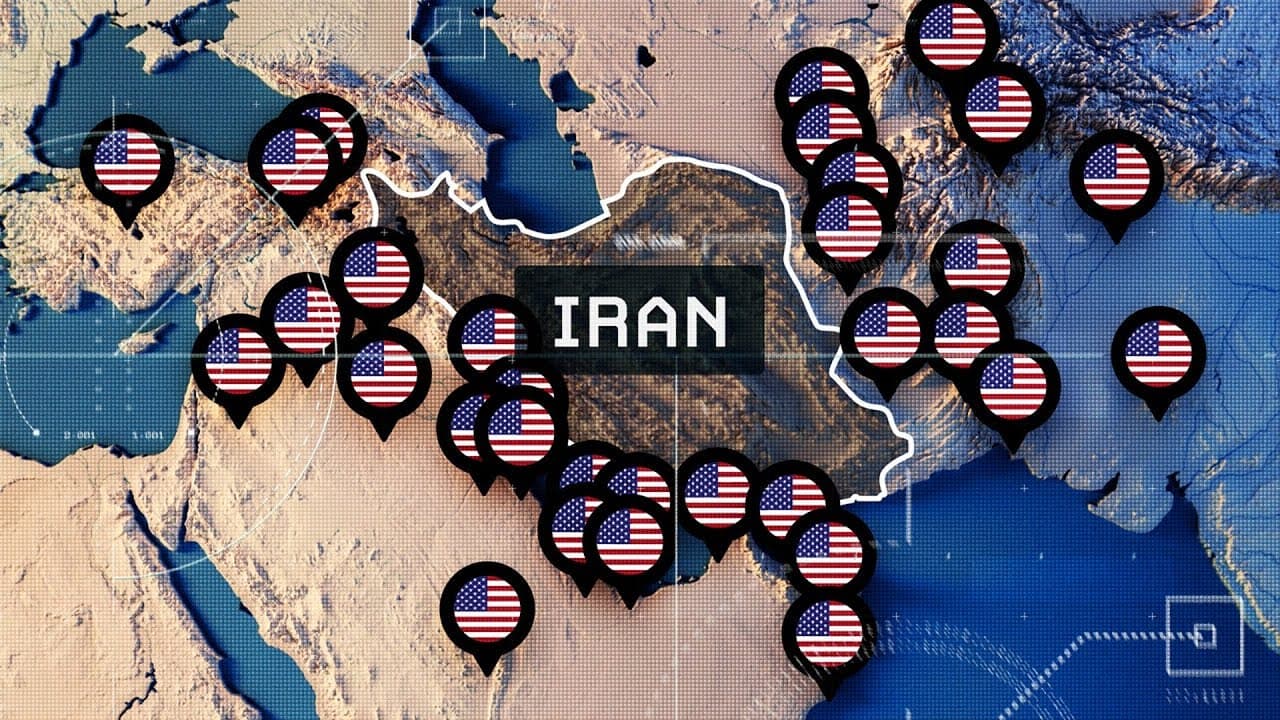
Oil wealth, western intervention, and political upheaval drove the US Iran feud. The 1953 coup toppled Iran’s democratically elected leader, setting a pattern of American involvement. The 1979 hostage crisis and the Iran Iraq war further entrenched hostilities, making future crises more likely if diplomacy falters.
Transcript
The United States and Iran have one of the world's most complicated and controversial relationships. The United States is the world's most preeminent superpower with a population of more than 320 million, while Iran is a major power in her own right with a population of more than 80 million. These countries represent 4% and 1% of the living human p... Read More
Key Insights
- Oil profits and access to Iranian oil fueled Western interest and biased terms in early 20th century agreements.
- Iran aimed to nationalize oil resources and reclaim profits, sparking imperial pushback and foreign interference.
- The 1953 coup restored a Western backed leadership, deepening mistrust toward the United States.
- The 1979 revolution transformed Iran into a theocratic state opposed to the US and Israel.
- The hostage crisis damaged diplomatic ties and justified long term withdrawal from formal engagement.
- The US supported Saddam Hussein during the Iran Iraq war, influencing Iran’s strategic decisions.
- Iran’s hostage crisis and subsequent wars reshaped regional power dynamics and alliances.
- Ongoing hostility stems from a history of coups, sanctions, and military interventions by major powers.
- More videos from this channel:
- More from this channel: RealLifeLore
Install to Summarize YouTube Videos and Get Transcripts
Explore YouTube Video Summarizer or Get YouTube Transcript Extractor
Questions & Answers
Q: What sparked the early oil dispute between Iran and Britain and led to nationalization?
The early oil dispute centered on the distribution of profits from Iran's oil reserves, with Iran receiving only 16 percent under a British controlled jointly owned company while 84 percent flowed to Britain. This unfair revenue split, combined with withheld financial records and colonial leverage, created strong Iranian momentum to nationalize the oil industry in 1951, setting off a chain of events that deepened Western discomfort and set the stage for future interventions.
Q: How did the 1953 coup influence Iran US relations long term?
The 1953 coup overthrew Iran's democratically elected Prime Minister Mosaddegh and installed the Shah as a Western backed autocrat. This action cemented a perception among Iranians that the United States and Britain interfere directly in Iranian sovereignty. The coup established a pattern of distrust, reduced Iran’s willingness to cooperate with Western powers, and laid the groundwork for later strategic alignments and hostilities that persisted for decades.
Q: Why was the 1979 hostage crisis pivotal in US Iran relations?
The 1979 hostage crisis occurred after revolutionary forces and student groups stormed the US embassy, detaining 52 American diplomats and civilians. This dramatic seizure severed diplomatic channels, symbolized deep mistrust toward the United States, and justified hardline foreign policy positions in Iran. The crisis reinforced a narrative of American aggression and resistance to Western influence, contributing to decades of mutual hostility and failed diplomatic outreach.
Q: What role did the Iran Iraq war play in the US Iran enmity?
The Iran Iraq war intensified regional competition and fear of shifting power dynamics. Western powers commentary and strategic choices during the conflict, including support for Saddam Hussein by the United States and its allies, influenced Iran to fear external meddling and to pursue a more defensive and hardened posture. The war entrenched distrust and shaped long term security calculations for both sides.
Q: How did oil and geography influence US involvement in Iran during the Cold War?
Oil wealth and Iran’s strategic location along the Soviet Union’s southern flank made Iran a critical asset during the Cold War. Western powers sought to secure energy supplies and maintain influence in the region, leading to coups, economic leverage, and military intervention when Iran pursued independence from foreign control. This dynamic helped forge the long standing US interest in containing Iranian influence.
Q: What events led to Iran’s revolution and how did that change US policy?
Growing domestic discontent over autocratic rule, torture, and political repression, coupled with Western support for modernization policies, culminated in a mass movement against the Shah. When the revolution succeeded, Iran adopted a theocratic model hostile to the US and Israel, leading to severed diplomatic ties and a reevaluation of US policy toward Iran in the region.
Q: How did US and Israeli relations affect Iran after the revolution?
Post revolution Iran’s regime rejected Israel and the United States, complicating regional alliances. The distrust from the hostage crisis and the perception of Western meddling limited any immediate rapprochement. The alliance shift pushed Iran toward anti Western stances, affecting how both sides viewed threats, pursued security, and formed coalitions in the broader Middle East.
Q: What were the long term consequences of Western interventions in Iran for regional stability?
Western interventions created lasting distrust and altered Iran’s domestic and foreign policy. The pattern of coups, sanctions, and military actions disrupted regional stability and contributed to ongoing rivalry with the United States. This history shaped contemporary security choices, power dynamics, and the risk of future crises in the region.
Summary & Key Takeaways
-
The conflict stems from oil wealth and unequal Western control of Iranian resources that sparked nationalization and anti Western sentiment. The postwar era saw repeated coups and political meddling that hardened opposition to the United States. Iran later rejected Western influence, leading to a drastic shift in regional alliances and policies.
-
The 1979 hostage crisis marked a turning point, severing formal ties and setting a long term pattern of mutual distrust. The Iran Iraq war compounded regional instability and demonstrated how external powers influenced Iran’s security environment, reinforcing hardline stances on both sides.
-
The video frames the conflict as a chain of strategic miscalculations, coups, and misaligned goals between Tehran and Washington. It highlights the long term consequences of those actions on future diplomacy, regional balance of power, and the risk of renewed confrontation.
Read in Other Languages (beta)
Share This Summary 📚
Summarize YouTube Videos and Get Video Transcripts with 1-Click
Try YouTube Summary with ChatGPT & Claude or YouTube Transcript Generator
Explore More Summaries from RealLifeLore 📚


Summarize YouTube Videos and Get Video Transcripts with 1-Click
Try YouTube Summary with ChatGPT & Claude or YouTube Transcript Generator