What Is the Wire Bonding Process in Electronics?
TL;DR
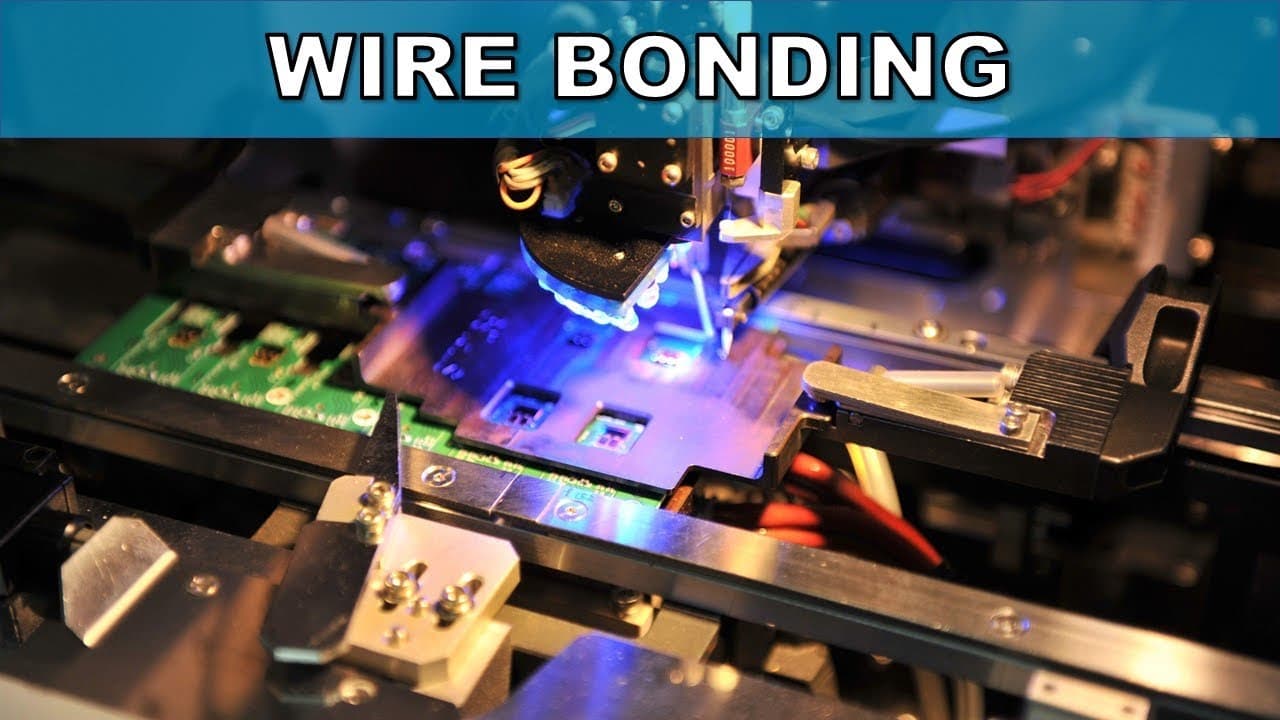
The wire bonding process connects semiconductor die to package substrates primarily using two methods: ball bonding and wedge bonding. Ball bonding involves creating a Free Air Ball with an Electronic Flame-Off and forming bonds using ultrasonic and heat energy, while wedge bonding creates wedge-shaped bonds ideal for aluminum wire. The choice of wire material, such as gold, copper, silver, or aluminum, impacts performance and application.
Transcript
Today I'd like to talk about wire bonding process. Wire bonding process is to connect die and package substrate with wire. It makes bridges for data from die to electronic product and it makes operate. Gold ball bonding is the most popular way in wire bonding and it makes ball shape at the end of wire. There are 3 major steps in ball bond... Read More
Key Insights
- Gold ball bonding is the most prevalent method in wire bonding, involving three major steps: forming a ball bond, creating a wire loop, and making a wedge bond.
- The ball bonding process starts with an Electronic Flame-Off to create a Free Air Ball, which is then bonded using ultrasonic and heat energy.
- Wedge bonding differs from ball bonding by forming wedge bonds at both die and substrate pads, using a specific machine and tool.
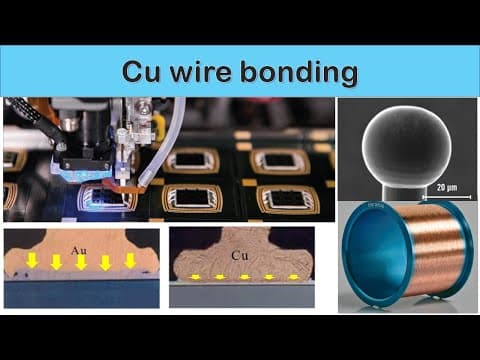
- Copper wire is favored for its cost-effectiveness but requires careful handling due to its hardness and oxidation susceptibility.
- Silver wire offers a cost advantage over gold and is preferred for LED devices due to its reflectivity and sensitivity to bonding force.
- Aluminum wire is suitable for high current applications, especially with thick diameters, and is bonded using the wedge method.
- Ultrasonic energy and heat are critical in both ball and wedge bonding processes to ensure secure connections.
- Each wire material—gold, copper, silver, and aluminum—has specific advantages and limitations, affecting their application in electronic devices.
Install to Summarize YouTube Videos and Get Transcripts
Explore YouTube Video Summarizer or Get YouTube Transcript Extractor
Questions & Answers
Q: What is the most common method in wire bonding?
The most common method in wire bonding is gold ball bonding. This process involves creating a ball shape at the end of the wire using an Electronic Flame-Off (EFO), followed by bonding it to the die bond pad with ultrasonic and heat energy. It is favored for its reliability and effectiveness.
Q: How is a Free Air Ball created in the ball bonding process?
A Free Air Ball (FAB) is created in the ball bonding process using an Electronic Flame-Off (EFO). This technique generates an electrical spark that forms a ball shape at the end of the wire. This ball is then bonded to the die bond pad using ultrasonic and heat energy.
Q: What distinguishes wedge bonding from ball bonding?
Wedge bonding is distinguished from ball bonding by its use of a specific machine and tool to form wedge-shaped bonds at both the die and substrate pads. Unlike ball bonding, which creates a ball shape, wedge bonding forms a continuous wire loop, making it suitable for materials like aluminum.
Q: Why is copper wire used in wire bonding?
Copper wire is used in wire bonding primarily due to its cost-effectiveness compared to gold. However, its hardness and tendency to oxidize require careful handling with more ultrasonic energy and bonding force, which can increase the risk of damage to the die and wire if not managed properly.
Q: What advantages does silver wire offer in wire bonding?
Silver wire offers lower cost than gold and is ideal for use in LED devices due to its excellent reflectivity. It is also suitable for devices with sensitive die pads, where the high bonding force required for copper could cause damage. Silver provides a balance of cost and performance.
Q: In what applications is aluminum wire preferred?
Aluminum wire is preferred in applications requiring high current carrying capacity, especially when using thick wire diameters over 100 micrometers. It is bonded using the wedge method, which is effective at lower temperatures, making it suitable for power components and other high-current applications.
Q: What role do ultrasonic energy and heat play in wire bonding?
Ultrasonic energy and heat are crucial in wire bonding for forming secure connections between the wire and bond pads. They facilitate the bonding process by providing the necessary energy to create strong bonds, whether in ball bonding or wedge bonding, ensuring the wire remains attached under operational stresses.
Q: What are the main challenges of using copper wire in bonding?
The main challenges of using copper wire in bonding include its hardness and reactivity with oxygen, which necessitate increased ultrasonic energy and bonding force. This can raise the risk of damaging the die and wire. Special kits are required to prevent oxidation and ensure the integrity of the bonded connections.
Summary & Key Takeaways
-
Wire bonding is a crucial process in semiconductor packaging, connecting die and package substrates. Gold ball bonding is the most common method, involving steps that utilize ultrasonic and heat energy to form secure connections. Different wire materials like gold, copper, silver, and aluminum offer various benefits and challenges.
-
Ball bonding involves creating a Free Air Ball using an Electronic Flame-Off, followed by forming a loop and wedge bond with ultrasonic and heat energy. Wedge bonding, in contrast, uses a specialized tool to form wedge-shaped bonds, particularly effective for aluminum wire.
-
Copper wire is an economical choice but requires special handling due to its reactivity and hardness. Silver wire is ideal for sensitive devices like LEDs, while aluminum wire is preferred for high current applications. Each material's properties dictate its suitability for specific electronic components.
Read in Other Languages (beta)
Share This Summary 📚
Summarize YouTube Videos and Get Video Transcripts with 1-Click
Try YouTube Summary with ChatGPT & Claude or YouTube Transcript Generator
Explore More Summaries from Semicon Talk 📚

Summarize YouTube Videos and Get Video Transcripts with 1-Click
Try YouTube Summary with ChatGPT & Claude or YouTube Transcript Generator