Why Shouldn't We Label Emotions as Good or Bad?
TL;DR
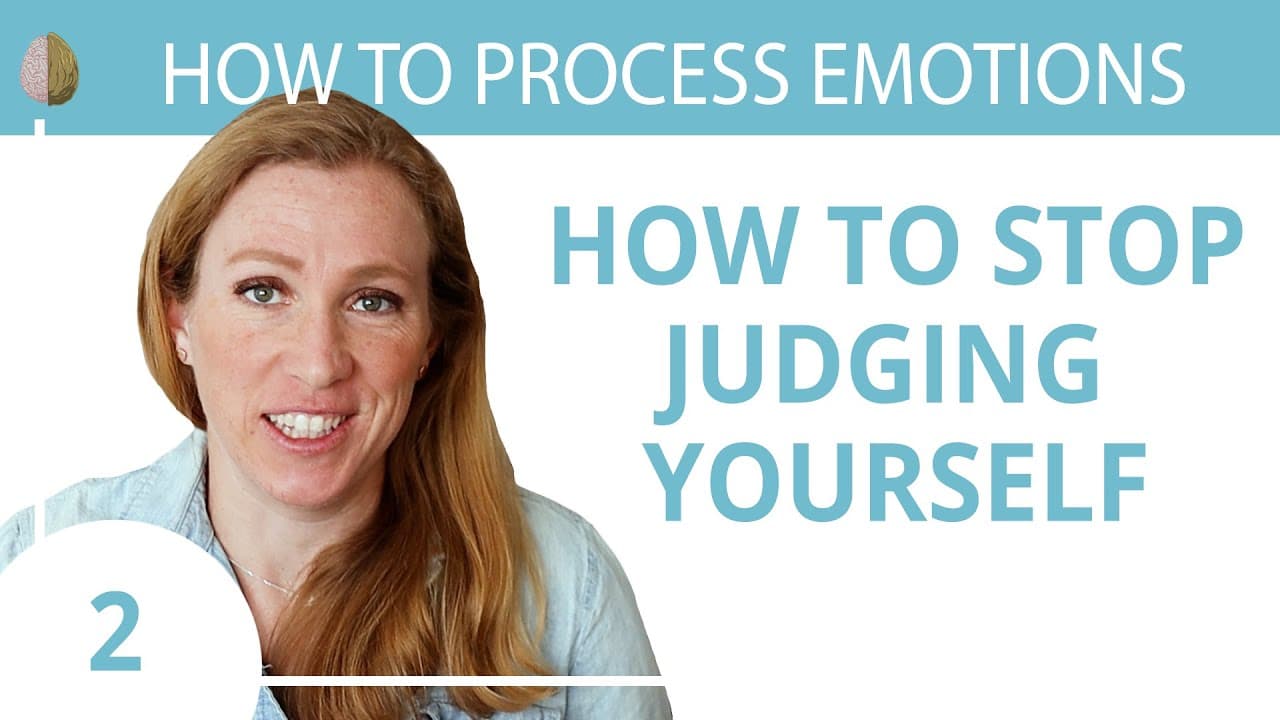
Labeling emotions as good or bad restricts our ability to respond effectively and leads to suppression, resulting in misery. Instead, adopting a nonjudgmental approach helps us acknowledge our feelings and develop emotional resilience. By describing rather than judging emotions, we unlock our capacity for a more fulfilling and purposeful life.
Transcript
Once there was a farmer whose horse ran away, now he could not plow. His neighbors came to him, and said "How horrible for you, this is terrible, this is awful, you lost your horse!" the farmer replied "I don't know, we'll see", and he went back to work on his farm. The next day, the farmer's son went to find the horse. Not only did he ... Read More
Key Insights
- 👋 Labeling emotions as good or bad limits our ability to respond effectively.
- 🥺 Suppressing emotions leads to misery and prevents us from living a purposeful life.
- 👻 Describing emotions instead of judging them allows for a more productive and peaceful response.
- ❓ Developing emotional resilience and capacity requires acknowledging and naming emotions.
- 🥺 Focusing on purposeful action rather than trying to avoid or control emotions leads to greater happiness.
- 🛟 Not all emotions are inherently good or bad; they serve different functions in our lives.
- ❓ The first step to resolving emotions is to notice and name them.
Install to Summarize YouTube Videos and Get Transcripts
Explore YouTube Video Summarizer or Get YouTube Transcript Extractor
Questions & Answers
Q: Why is it not helpful to label emotions as good or bad?
Labeling emotions limits our options for responding to them and puts pressure on us to suppress them, leading to feelings of misery.
Q: How does suppressing emotions affect our lives?
Suppressing emotions can cause our lives to not align with what we want and lead to feeling worse in the long run.
Q: How can we develop a non-judgmental attitude towards emotions?
Instead of judging emotions, we should focus on acknowledging and describing them, which opens up space to respond to them in a more productive way.
Q: What is the paradox of working through emotions?
People who learn to process through painful emotions tend to feel more relaxed and joyful in their daily lives and are better at controlling their behaviors.
Key Insights:
- Labeling emotions as good or bad limits our ability to respond effectively.
- Suppressing emotions leads to misery and prevents us from living a purposeful life.
- Describing emotions instead of judging them allows for a more productive and peaceful response.
- Developing emotional resilience and capacity requires acknowledging and naming emotions.
- Focusing on purposeful action rather than trying to avoid or control emotions leads to greater happiness.
- Not all emotions are inherently good or bad; they serve different functions in our lives.
- The first step to resolving emotions is to notice and name them.
- Developing emotional muscles to sit with and choose purposeful action with our emotions leads to better emotional well-being.
Summary & Key Takeaways
-
A farmer's story illustrates the importance of not labeling emotions as good or bad but instead adopting a "we'll see" mindset.
-
Western society has trained us to think of emotions as positive or negative, limiting our ability to process them effectively.
-
Judging and suppressing emotions leads to misery and prevents us from living a purposeful life.
Read in Other Languages (beta)
Share This Summary 📚
Summarize YouTube Videos and Get Video Transcripts with 1-Click
Try YouTube Summary with ChatGPT & Claude or YouTube Transcript Generator
Explore More Summaries from Therapy in a Nutshell 📚

Summarize YouTube Videos and Get Video Transcripts with 1-Click
Try YouTube Summary with ChatGPT & Claude or YouTube Transcript Generator