How to Achieve Six-Pack Abs in 60 Days
TL;DR
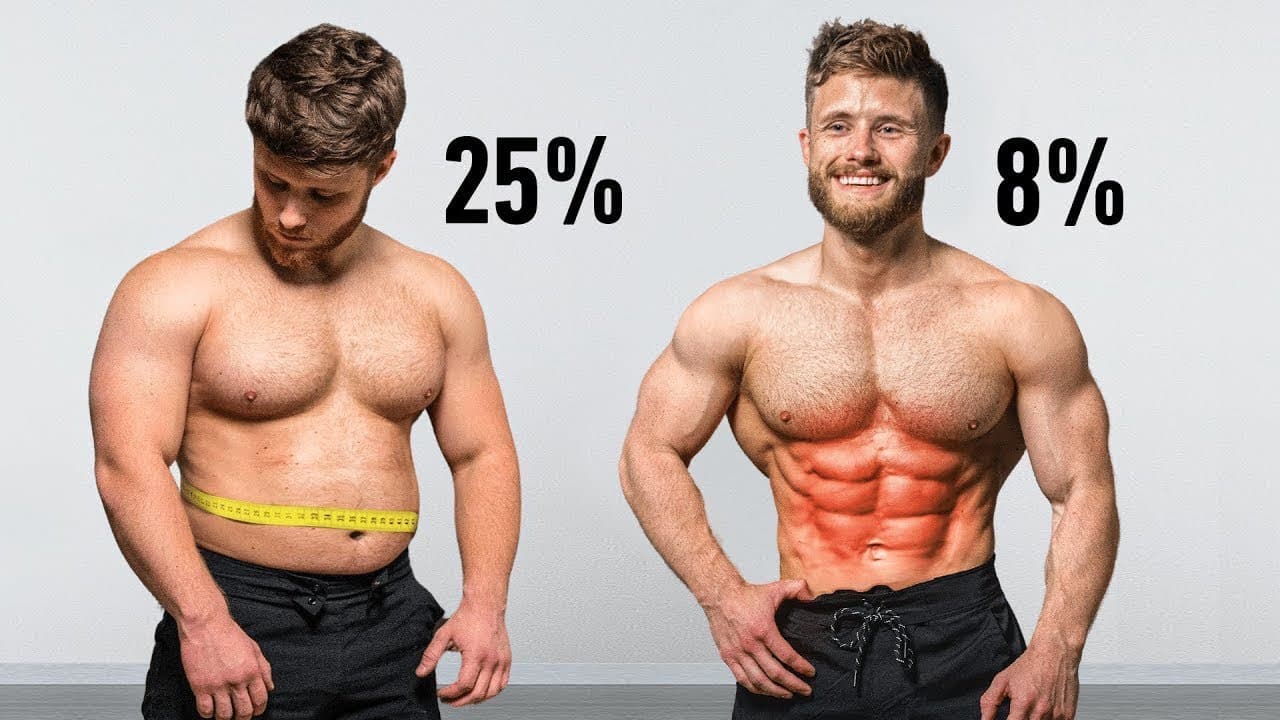
To achieve visible abs, maintain a body fat percentage between 10-20% for men and 18-28% for women. Focus on hypertrophy training with weighted crunches and leg raises, and follow a calorie-controlled diet. Include some cardio for better results and consider supplements like protein powder and creatine for support.
Transcript
what does your midsection look like right now for reference this is what it would look like at 50% body fat at 40% your waistline is smaller but your abs are still buried at 30% your stomach is much flatter but you still don't have visible ABS once you get to 20% that's where your abs become visible and at 10% body fat you'll have a well-defined si... Read More
Key Insights
- Visible abs are achieved at 10-20% body fat for men and 18-28% for women.
- Training abs with weighted exercises is crucial for muscle definition.
- Progressive overload is essential for ab training, similar to other muscles.
- A six-pack diet involves calculating calorie and protein needs based on body weight.
- Supplements like protein powder and creatine can support muscle growth.
- Cardio combined with weight training can lead to smaller waistlines.
- Tracking progress with photos and measurements can be more reliable than scales.
- Diet breaks can enhance long-term weight loss success.
Install to Summarize YouTube Videos and Get Transcripts
Explore YouTube Video Summarizer or Get YouTube Transcript Extractor
Questions & Answers
Q: How to achieve visible abs?
To achieve visible abs, maintain a body fat percentage within 10-20% for men and 18-28% for women. This involves a combination of strength training with weighted ab exercises, a calorie-controlled diet, and potentially incorporating cardio. Consistency in training and diet is key to revealing defined abdominal muscles.
Q: What are the best exercises for six-pack abs?
The best exercises for six-pack abs include weighted crunches and leg raises. These exercises target the abdominal muscles effectively when performed with proper form and progressive overload. Weighted crunches can be done using a cable or plate, while leg raises can be performed hanging or using a Roman chair.
Q: How should I structure my diet for abs?
To structure your diet for abs, calculate your daily calorie intake by multiplying your current body weight by 10-12. Protein intake should be 0.8-1 times your goal body weight. Ensure you consume at least 50 grams of fat daily, and the remaining calories can come from carbs, fat, or protein.
Q: Why is cardio recommended for ab training?
Cardio is recommended for ab training because it can help reduce overall body fat, making abs more visible. It also allows for a higher calorie intake, which can support muscle retention and energy levels. Cardio, when combined with strength training, can lead to a smaller waistline and better long-term weight maintenance.
Q: What supplements support ab development?
Supplements that support ab development include protein powder, creatine monohydrate, and caffeine. Protein powder aids in meeting daily protein goals, creatine supports muscle strength and growth, and caffeine can enhance focus and performance during workouts. These supplements are not mandatory but can complement a well-rounded fitness regimen.
Q: How does progressive overload apply to ab training?
Progressive overload in ab training involves gradually increasing the weight or repetitions of ab exercises to stimulate muscle growth. Just like any other muscle group, abs require increased resistance over time to develop. This can be achieved by adding weight to crunches or increasing reps in leg raises.
Q: What role do diet breaks play in weight loss?
Diet breaks play a role in weight loss by preventing metabolic slowdown and psychological burnout. They involve temporarily increasing calorie intake to maintenance levels, allowing the body to recover. This approach can lead to better adherence and improved weight loss outcomes when returning to a caloric deficit.
Q: How can progress be tracked effectively during ab training?
Progress during ab training can be effectively tracked through monthly progress photos and waist measurements. These methods provide a visual and measurable way to assess fat loss and muscle definition, which can be more accurate than relying solely on scale weight, especially when building muscle while losing fat.
Summary & Key Takeaways
-
Achieving a six-pack requires a body fat percentage of 10-20% for men and 18-28% for women. Effective ab training involves weighted exercises like crunches and leg raises. A well-structured diet, supplemented with protein and creatine, supports muscle growth.
-
Progressive overload in ab training is crucial, similar to other muscle groups. Cardio enhances results by aiding fat loss and allowing for higher calorie intake. Tracking progress through photos and measurements offers more accurate results than scales.
-
Diet breaks can improve weight loss outcomes, preventing rebound weight gain. Supplements like caffeine can aid focus during workouts. A structured diet plan, such as the one offered by the MacroFactor app, can simplify achieving fitness goals.
Read in Other Languages (beta)
Share This Summary 📚
Summarize YouTube Videos and Get Video Transcripts with 1-Click
Try YouTube Summary with ChatGPT & Claude or YouTube Transcript Generator
Explore More Summaries from Jeff Nippard 📚
Summarize YouTube Videos and Get Video Transcripts with 1-Click
Try YouTube Summary with ChatGPT & Claude or YouTube Transcript Generator