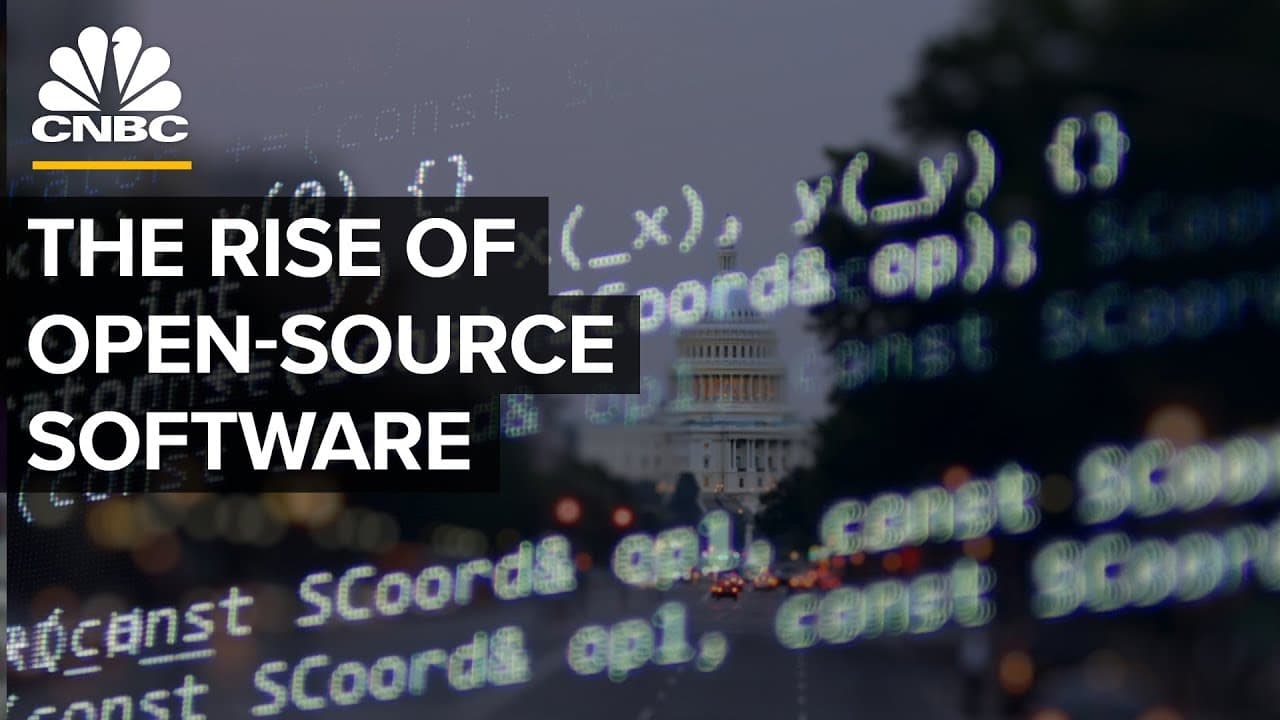
How does open source software power modern tech?
TL;DR
Open source is developed collaboratively, with code freely shared and improved by volunteers and large companies alike. It evolved from a fringe idea to a global norm, enabling rapid innovation and widespread use across industries, while monetization focuses on services, subscriptions, and open core models. The Heartbleed case shows risks when maintenance relies on volunteers.
Transcript
Much of the software that powers the world's largest companies, protects our personal data, or encrypts national security information is open to the public. Anyone can download the source code behind Facebook's user interface, Google's Android operating system or even Goldman Sachs' data modeling program, and use it as a building block for a totall... Read More
Key Insights
- Open source is a collaborative, global development model where code is written and shared freely.
- Open source grew from opposition to proprietary norms to become a mainstream approach used by major companies.
- Linux, MySQL, Apache and Android popularized open source through large-scale adoption and adaptation by industry.
- GitHub standardized collaboration, enabling widespread contributions and rapid project growth.
- Major tech companies increasingly contribute to open source, signaling a shift from pure hobbyist effort to enterprise involvement.
- Open-core and subscription models are common ways to monetize open source without restricting free code.
- Heartbleed exposed risks when critical software relies on a small, underfunded team for maintenance.
- The future of open source is tied to sustainable funding, governance, and ecosystem support.
- More videos from this channel:
- More from this channel: CNBC
Install to Summarize YouTube Videos and Get Transcripts
Explore YouTube Video Summarizer or Get YouTube Transcript Extractor
Questions & Answers
Q: A real search query question about the video (e.g. 'How to...', 'What is...'). Question 1
Open source is a collaborative model in which software is written and shared publicly, allowing anyone to inspect, modify, and contribute. This approach enables rapid iteration and broad distribution, fosters interoperability, and underpins the software infrastructure used by many of the world’s largest companies. It contrasts with proprietary models that restrict access and modification.
Q: Question 2
Linux became widely adopted when large companies started using it for their needs, expanding beyond hobbyists. It demonstrated how open source could scale from a niche project to enterprise level deployment, driving innovation and giving organizations the flexibility to tailor software to their specific requirements while contributing back to the community.
Q: Question 3
GitHub played a crucial role by standardizing how developers contribute to open source. It created a common interface for collaboration, making it easier for developers everywhere to find, use, and contribute to projects. This platform accelerated open source growth and helped maintain project momentum through shared workflows and visibility.
Q: Question 4
Open source monetization typically relies on selling support, subscriptions, or proprietary add-ons in an open-core model. This means the base software remains free, while enterprises pay for services, security, and enhanced features. Red Hat popularized this approach with enterprise Linux and long-term customer support.
Q: Question 5
Major corporations now contribute heavily to open source because it accelerates development and enables them to build on a shared foundation. By collaborating, companies like Intel, Google, Facebook, and Microsoft help maintain critical infrastructure while benefiting from community-driven improvements and faster time to market for their products.
Q: Question 6
Open source carries risks when critical systems rely on volunteers for maintenance. Security incidents like Heartbleed demonstrated the potential for undetected flaws when funding and governance are insufficient. The takeaway is that sustainable funding, governance, and professional maintenance are essential to ensure reliability and security.
Q: Question 7
The open source model has matured into a global ecosystem where both volunteers and employees collaborate across industry borders. This has created a new norm where software is built collectively, shared freely, and monetized through services and enterprise offerings rather than one-time product sales.
Q: Question 8
As open source becomes embedded in everyday technology from smartphones to servers, the ecosystem is expanding. The challenge is balancing open collaboration with sustainable business models, ensuring security and long-term maintenance while continuing to foster innovation and broad accessibility across sectors.
Summary & Key Takeaways
-
Open source is created and maintained by a broad network of contributors from volunteers to employees at major firms. This collaborative model has grown from a niche concept to the dominant way software is built and shared in modern tech. It enables rapid iteration, broad adoption, and cross-company collaboration.
-
Open source monetization diverges from selling software; it often centers on support, subscriptions, and premium versions. Red Hat popularized this with enterprise Linux, and others like MongoDB and MuleSoft use open core strategies. Large companies now contribute heavily, reinforcing the ecosystem and driving sustainable business models.
-
The Heartbleed incident highlighted weaknesses when critical infrastructure relies on underfunded volunteers. It underscores the importance of robust maintenance, funding, and governance in open source to ensure security, reliability, and continuous improvement across a web of widely used technologies.
Read in Other Languages (beta)
Share This Summary 📚
Summarize YouTube Videos and Get Video Transcripts with 1-Click
Try YouTube Summary with ChatGPT & Claude or YouTube Transcript Generator
Explore More Summaries from CNBC 📚





Summarize YouTube Videos and Get Video Transcripts with 1-Click
Try YouTube Summary with ChatGPT & Claude or YouTube Transcript Generator