How to build multiple niche wellness apps that earn

TL;DR
You should build a small portfolio of health and wellness apps focused on a shared audience, start with an MVP to solve a personal pain, and use a quick launch and organic growth to reach over 10k monthly revenue per app. This approach hinges on solving real problems you experience and targeting recurring subscription models.
Transcript
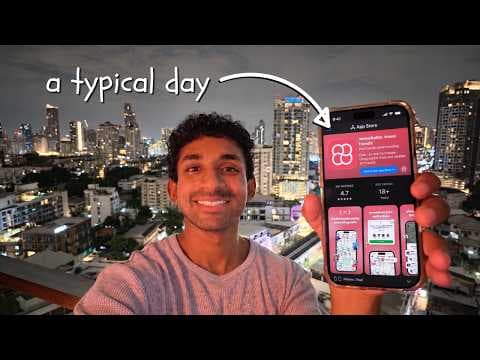
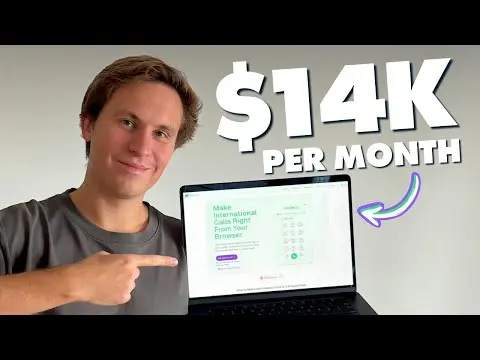
This is Pre. This year, he's already launched three apps that are making over $10,000 a month. We've gone from zero to 120K in the past year. His strategy is simple. Find a personal problem and build an app that solves it. That's it. That's why I think we have top apps in the space of our niches. He's already built three successful apps with a stra... Read More
Key Insights
- You can create a successful app business by building a portfolio that serves the same audience across multiple products.
- The key to ideation is identifying a personal problem you want to solve and validating it with an MVP.
- A fast MVP helps you ship quickly and learn what users actually want without overbuilding.
- Building for a shared audience enables cross selling and reduces marketing friction.
- Distribution should be planned on day zero, not after launch, to capture early adopters and momentum.
- Organic growth and niche targeting can yield high conversion rates even with smaller audiences.
- Subscription revenue provides predictable income and supports scaling across multiple apps.
- Compliance considerations, such as sales tax thresholds, become important as the portfolio grows and requires attention.
- More videos from this channel:
- More from this channel: Starter Story
Install to Summarize YouTube Videos and Get Transcripts
Explore YouTube Video Summarizer or Get YouTube Transcript Extractor
Questions & Answers
Q: A real search query question about the video (e.g. 'How to...', 'What is...', 'Why does...', 'When should...'). Question 1
How can I replicate the approach of building multiple niche wellness apps that share a common audience? The strategy starts with identifying a personal pain you want to solve, then validating it with a quick MVP. You expand by adding products that address related problems for the same user base, enabling cross promotion and higher lifetime value.
Q: Question 2
What is the first step to building a portfolio of apps rather than a single product? Begin with a passion in a specific domain, such as health and wellness, then identify a concrete problem within that domain that you experience yourself. Build an MVP to test the solution, keeping costs low and learning from early users.
Q: Question 3
Why is targeting a shared audience important when launching multiple apps? It allows you to market new products to existing users who already trust your brand, reducing cold acquisition costs. This overlap also helps you refine messaging and create cohesive features that appeal to the same core group of users across different apps.
Q: Question 4
How does the MVP playbook work for a new app idea in this context? Create a minimal viable product quickly to address the core problem, then collect feedback and iterate. Use lightweight tools for rapid development, so you can validate demand without over investing before you see real user engagement.
Q: Question 5
What role does distribution planning play in the launch of a new wellness app? Distribution should be considered from day zero, including how you will reach the target audience and what content you can produce to attract them. Early creators in the niche can help you gain initial visibility and organic growth.
Q: Question 6
How does one sustain growth after launching multiple apps in the same niche? Focus on retention metrics like day 30 free to paid and subscription renewals, while continuing to solve real problems for your audience. Maintain a regular cadence of improvements and add complementary features that expand value for existing users.
Q: Question 7
What is the importance of personal experience in idea generation for apps? Building around problems you personally encounter increases motivation and care for the product, leading to a better user experience and more thorough attention to detail. This authenticity often translates into stronger organic growth and more compelling product storytelling.
Q: Question 8
What are practical considerations when scaling a portfolio of apps in health and wellness? Plan for ongoing compliance, including tax considerations as revenue grows, and ensure your data handling aligns with user expectations. Maintain a clear product roadmap, manage costs, and invest in customer support to sustain long term traction.
Summary & Key Takeaways
-
A founder built three niche wellness apps in under a year, growing to 120K ARR by focusing on problems the founder personally experiences and delivering simple, targeted solutions.
-
The strategy relies on building a portfolio rather than a single product, enabling cross marketing to the same audience and reducing the cost of acquisition through organic channels.
-
The playbook emphasizes fast iteration with MVP tools, clear problem definitions, and pre launch distribution planning to accelerate early traction and sustain growth.
Read in Other Languages (beta)
Share This Summary 📚
Summarize YouTube Videos and Get Video Transcripts with 1-Click
Try YouTube Summary with ChatGPT & Claude or YouTube Transcript Generator
Explore More Summaries from Starter Story 📚

Summarize YouTube Videos and Get Video Transcripts with 1-Click
Try YouTube Summary with ChatGPT & Claude or YouTube Transcript Generator