How to Grow an Android App to $100K a Month
TL;DR
Android can be a cost-effective starting point for a bootstrapped subscription app because Steve found its advertising costs far lower while conversion remained competitive with iOS. Journable grew primarily through Android and Google Ads, reaching $125,000 in revenue over 28 days by combining a simple nutrition product, careful attribution, paid acquisition, and repeated platform testing.
Transcript
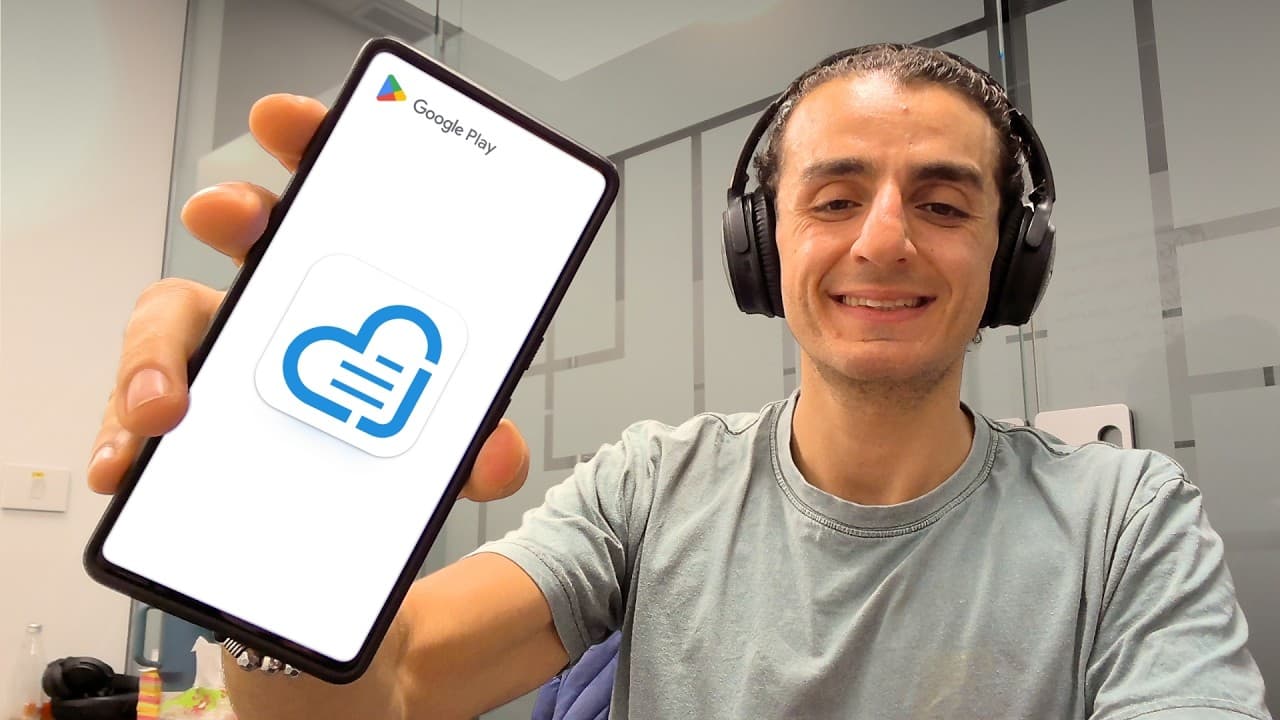
But right now, everybody and their grandma is vibe coding iOS apps. We even launched an iOS boot camp. But what if I told you that iOS is not the only place to be making money. Something I've realized is that most people are sleeping on the potential of Android. Meet Steve. He's a guy who built a simple mobile app that makes over $100,000 a month, ... Read More
Key Insights
- Journable is an AI calorie counter and nutrition assistant that tracks calories, macros, weight-loss progress, and personalized insights. Its founders deliberately prioritized a quick, simple experience because their own use of competing calorie-tracking products showed them that the category had become unnecessarily complex.
- Journable generated $125,000 in revenue during the reported 28-day period, with monthly recurring revenue around $80,000. The business had more than 30,000 active subscribers, approximately 40,000 total subscribers, and annualized recurring revenue just under $1 million.
- The app's business model is based entirely on premium subscriptions. Customers can choose between monthly and annual packages, giving the company recurring revenue without relying on advertising inside the product or other monetization methods not described in the case study.
- Android accounted for around 80% of Journable's users and revenue in the founder's dashboard discussion. The Android version was approaching one million downloads, demonstrating that a consumer subscription app can achieve substantial scale outside the iOS-focused strategies commonly discussed by app developers.
- Android advertising was almost four times less expensive than iOS advertising in the founders' experience. The team also cited a subscription-app report indicating that iOS users converted only around 20% better, making Android the more practical acquisition target for their capital-constrained, bootstrapped company.
- Product Hunt provided Journable's initial product validation by generating a few hundred installations, two of which became paid subscribers. Those first purchases showed the founders that users were willing to pay, after which they began testing Meta campaigns and comparing Android with iOS acquisition performance.
- Google Ads became the company's primary scalable growth channel, with just under $500,000 spent and almost the same amount returned as directly attributed revenue. Because the company was bootstrapped, campaigns needed to remain profitable enough to support continued spending rather than depending on outside capital.
- Google Play Store ads were Journable's highest-performing placement within Google's network. Ads appeared for relevant searches such as calorie counter and calorie tracker, while the same campaigns could also distribute creative across Google Search, YouTube, Discover, websites, and the display network.
Install to Summarize YouTube Videos and Get Transcripts
Explore YouTube Video Summarizer or Get YouTube Transcript Extractor
Questions & Answers
Q: Why can Android be better than iOS for a bootstrapped app?
Android can be more attractive when a bootstrapped company must control customer acquisition costs. Journable's founders found that iOS advertising cost almost four times as much, while Android users converted about as well in their own campaigns. Lower acquisition costs allowed them to test, remain profitable, and increase spending without relying on outside funding.
Q: How did Journable reach more than $100,000 in monthly revenue?
Journable combined a simple premium nutrition product with paid acquisition focused primarily on Android. The founders validated willingness to pay through Product Hunt, tested Meta campaigns on both mobile platforms, and doubled down when Android proved more cost-effective. Google Ads then became their main channel, especially advertisements displayed inside the Google Play Store.
Q: What does the Journable Android app do?
Journable is an AI calorie counter positioned as an all-in-one nutrition assistant. It lets users track calories, macronutrients, weight-loss progress, and related insights. The founders designed the experience around speed and simplicity because their personal weight-loss journeys and experience with competing apps convinced them that existing nutrition products were often too complicated.
Q: How does Journable make money from its users?
Journable earns all of its revenue through premium subscriptions. It offers a monthly subscription and an annual subscription rather than relying on the advertising placements or other revenue sources discussed in the transcript. At the time shown, it had more than 30,000 active subscribers, around 40,000 total subscribers, and monthly recurring revenue of approximately $80,000.
Q: How did Product Hunt help validate Journable?
Product Hunt served as Journable's day-zero marketing and distribution channel. A front-page feature generated a few hundred app installations, and two of those users purchased subscriptions. Although the initial volume was limited, the paid conversions gave the founders evidence that real users were willing to pay for the product before they committed more resources to advertising.
Q: How did Journable use Google Ads to acquire Android users?
Journable supplied images and videos to campaigns that distributed advertisements across Google's digital properties, including Search, YouTube, Discover, the display network, websites, and the Google Play Store. Its strongest placement was the Play Store, where the app could appear prominently when Android users searched for relevant phrases such as calorie counter or calorie tracker.
Q: Were Journable's Google Ads profitable?
The all-time dashboard showed just under $500,000 in Google advertising expenditure and almost the same amount in revenue directly attributed to Google Ads. The founder described this as effectively breaking even at that stage. Because the company was bootstrapped, campaign performance constrained how quickly it could increase spending, since acquisition needed to remain financially sustainable.
Q: What product strategy helped Journable compete with other calorie trackers?
Journable competed by reducing complexity rather than adding as many features as possible. Both founders had personally gone through weight-loss journeys, and Steve said he lost 45 kilograms, or 100 pounds, while tracking calories consistently. Their experience with numerous competing apps led them to emphasize a quick, frictionless product that delivered essential nutrition-tracking value.
Summary & Key Takeaways
-
Journable is a premium AI nutrition assistant that tracks calories, macros, weight loss, and related insights. Steve and his co-founder created it after experiencing weight loss themselves and finding competing tools too complex. Their central product decision was to deliver the essential benefits of calorie tracking through a faster, simpler user experience.
-
The founders initially validated Journable through a Product Hunt launch that produced a few hundred installations and two paying subscribers. Because they were bootstrapped, they compared acquisition economics carefully. Android campaigns delivered conversion comparable to iOS at substantially lower advertising costs, encouraging the team to concentrate spending and growth efforts on Android.
-
Google Ads became Journable's main acquisition channel across Search, YouTube, Discover, display placements, and the Google Play Store. The company spent just under $500,000 and attributed almost the same amount of revenue to those campaigns. Play Store ads targeting terms such as calorie counter and calorie tracker performed particularly well.
Read in Other Languages (beta)
Share This Summary 📚
Summarize YouTube Videos and Get Video Transcripts with 1-Click
Try YouTube Summary with ChatGPT & Claude or YouTube Transcript Generator
Explore More Summaries from Starter Story 📚


Summarize YouTube Videos and Get Video Transcripts with 1-Click
Try YouTube Summary with ChatGPT & Claude or YouTube Transcript Generator