How to turn failure into success as a solopreneur
TL;DR
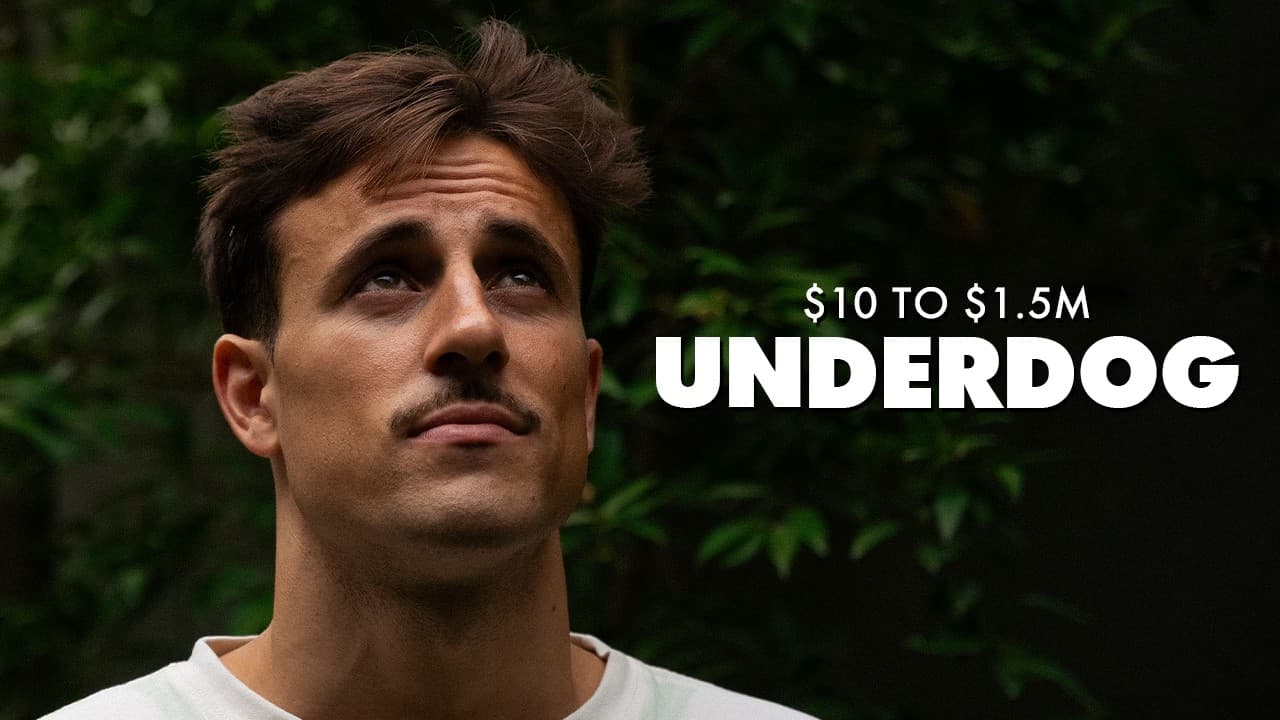
Finding a universal problem to solve and selling something before building it can spark your first profitable venture. Persistence through repeated failures, rapid validation, and choosing a path that fits your skills are key. Even after setbacks, you can rebuild and reach substantial income as a solo founder.
Transcript
what's your story I lived with my parents working as a waiter part-time to make I think $10 per hour I was telling people I'm going to make it I'm the next Mark zukerberg and I'm going to have a billion dollar startup idea and I'm going to focus on it this is Mark a guy who tried everything to become an entrepreneur but nothing was working I didn't... Read More
Key Insights
- Mark mentors that entrepreneurship is possible after multiple failures when you rethink your approach.
- The key to monetizing quickly is selling an idea to a customer before building a full product.
- Validation with real customers prevents overbuilding and aligns effort with demand.
- A universal problem that every business has is client acquisition, which can become a scalable service.
- A pause or setback can trigger a strategic pivot toward a more sustainable path.
- When traditional venture routes fail, smaller, faster wins can build confidence and cash flow.
- Emotional resilience is essential; burnout and frustration are common on the path to success.
- A steady job can coexist with ongoing entrepreneurial exploration, providing stability while pursuing growth.
- More videos from this channel:
- More from this channel: Starter Story
Install to Summarize YouTube Videos and Get Transcripts
Explore YouTube Video Summarizer or Get YouTube Transcript Extractor
Questions & Answers
Q: How did Mark initially respond to failure in his entrepreneurial journey?
Mark initially clung to the belief that he could build the next billion dollar startup idea, working long hours with little to show for it. After years of failure and a realization that his app would not exist, he shifted away from chasing a singular brilliant idea. He learned to reset his approach by embracing quick wins and focusing on real customer needs rather than grand visions.
Q: What change allowed Mark to earn his first dollar online?
The breakthrough came when Mark tried a different strategy: he focused on universal business needs and attempted to sell a solution before building it. He connected with a potential customer via cold emails and landed a deal after a 42 minute conversation, proving that a validated idea could generate revenue without a perfect product.
Q: What role did validation play in Mark’s progression to $1.5M/year?
Validation played a central role by forcing Mark to test ideas with real customers before building. This minimized wasted effort and clarified what customers were willing to pay for. Early money and customer feedback guided iterations, enabling scalable growth as a solo developer rather than through costly, long development cycles.
Q: How did Mark handle the revenue crash during the pandemic?
The pandemic caused a sudden revenue drop from $4,000 a month to zero, which forced Mark to reassess his path. Instead of giving up, he used the experience to rebalance his strategy, take a step back, and consider a balance between entrepreneurship and stable employment while continuing to pursue growth opportunities.
Q: What is the significance of the “sell before building” approach in Mark’s story?
Selling before building minimized risk and validated demand before investing in development. It allowed Mark to secure paying customers early, which provided cash flow and proof to iterate on the product. This approach accelerated learning, reduced wasted effort, and helped him establish a repeatable process for future ventures.
Q: How did Mark’s personal struggles influence his career decisions?
Mark faced intense personal pressure and emotional turmoil after years of trying and failing. This culminated in a period of burnout and a decision to take a software engineering job for stability, while still keeping an entrepreneurial mindset. The job offered a higher salary, yet it did not entirely replace the pull of building his own ventures.
Q: What lesson does Mark’s story offer about persistence and strategy?
The core lesson is that persistence matters, but strategy matters more. Repeated attempts without learning from failures are not enough. By pivoting toward customer validation, choosing a universal problem, and combining income stability with entrepreneurial exploration, Mark demonstrates that a sustainable path can emerge from disciplined experimentation.
Q: What current guidance does the video provide for new solo developers?
The narrative suggests focusing on solving a broad, universal problem and validating the idea with paying customers before heavy investment. It also emphasizes resilience, learning from mistakes, and balancing entrepreneurial efforts with stable income to weather setbacks while continuing to pursue scalable opportunities.
Summary & Key Takeaways
-
Mark grows through failure by switching strategies after each setback, learning to sell before building and focusing on a universal problem that every business needs help with. He validates ideas quickly with real customers, which enables him to turn small initial successes into larger, sustainable revenue. The journey includes burnout, resilience, and a shift to a more stable path.
-
The turning point comes when Mark starts with a problem-centric, early validation approach, which leads to his first dollar online and eventually to a scalable solo business. He experiences dramatic highs and lows, including a lockdown revenue crash, prompting him to seek steady employment while maintaining an entrepreneurial mindset.
-
The story culminates in a balance between entrepreneurship and meaningful work where Mark gains $9,000 per month from a full-time role yet continues to explore opportunities as a solopreneur. The narrative emphasizes perseverance, practical validation, and the willingness to pivot when needed.
Read in Other Languages (beta)
Share This Summary 📚
Summarize YouTube Videos and Get Video Transcripts with 1-Click
Try YouTube Summary with ChatGPT & Claude or YouTube Transcript Generator
Explore More Summaries from Starter Story 📚
Summarize YouTube Videos and Get Video Transcripts with 1-Click
Try YouTube Summary with ChatGPT & Claude or YouTube Transcript Generator