How to process negative emotions for better resilience
TL;DR
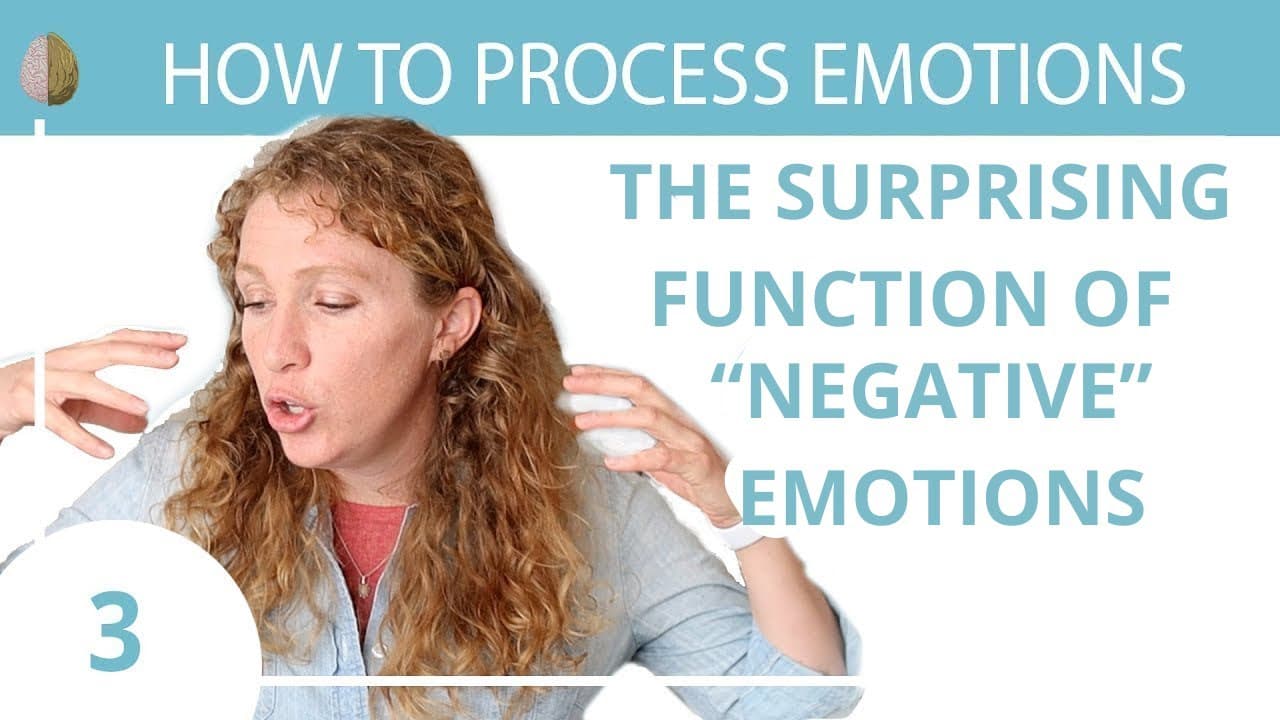
Negative emotions have functional roles: they warn, motivate change, and help connect us with others. Coping skills that simply suppress or avoid feelings often backfire; instead, listen to the emotion to identify its message, check if it is secondary, and take constructive actions that align with your values.
Transcript
Have you ever heard about the children born without pain sensitivity? It's an incredibly rare congenital condition, it only affects around 100 people in the whole world, and on the surface it sounds amazing right? Like how cool would it be to never feel physical pain? Well actually, it's a nightmare. These little kids who can't feel pain th... Read More
Key Insights
- Emotions serve as warning signs to help notice problems and potential risks in our environment.
- Emotions motivate us to change by signaling the need for action or repair when necessary.
- Emotions help us connect with other people, strengthening relationships and shared understanding.
- Guilt answers whether we did something wrong and guides us to make repairs if needed.
- Fear or anxiety questions if we are in real danger and prompts action to increase safety if true.
- Anger often centers on fairness and protection and can reveal secondary emotions like fear or guilt hidden beneath it.
- Hopelessness can either signal a true dead end or push us to seek better strategies, depending on whether we are misapplying resources.
- Coping skills can bury emotions if used alone, preventing real problem solving and long term change.
- More videos from this channel:
- More from this channel: Therapy in a Nutshell
Install to Summarize YouTube Videos and Get Transcripts
Explore YouTube Video Summarizer or Get YouTube Transcript Extractor
Questions & Answers
Q: How can I reframe negative emotions as helpful signals for my life?
Negative emotions are not just obstacles but signals that something in your environment or your choices needs attention. Start by identifying the emotion you feel, name it clearly, and ask what message it is sending about safety, relationships, or values. Then trace back to a specific action you can take that aligns with your commitments, which can reduce the intensity of the emotion over time.
Q: What is the function of guilt and how should I respond when I feel it?
Guilt serves the function of signaling that you may have harmed someone or violated a value. Instead of suppressing it, acknowledge the harm, assess what you can repair, apologize if appropriate, and make amends. This process often calms the emotional tide and prevents repeated mistakes, leading to healthier interactions and personal integrity.
Q: Why is coping alone insufficient for long term emotional health?
Coping often aims to reduce discomfort without addressing underlying causes, which means emotions can resurface. To achieve lasting change, you must investigate what is driving the emotion, distinguish primary from secondary emotions, and take actions that resolve the root issue rather than just masking symptoms.
Q: How can I tell if fear is real danger or imagined danger, and what should I do?
Assess whether the threat is currently present and controllable. If real danger exists, take safety actions to protect yourself. If danger is imagined, use grounding techniques to remind yourself you are safe, then gradually expose yourself in small steps to what you fear while aligning actions with your values.
Q: What should I do when I feel anger in a situation involving fairness?
Pause and examine what the anger is telling you about fairness or protection. Check if the anger masks another emotion like fear or disappointment. If possible, articulate the unfairness, seek constructive resolutions, and consider whether it is worth pursuing a longer term change or compromise.
Q: How does hopelessness function in emotional processing and when is it unhelpful?
Hopelessness can signal that a current strategy is failing and prompt looking for new options, but false hopelessness should be distinguished from genuine limits. If effort has produced no positive results after reasonable attempts, shift to different strategies or resources rather than giving up entirely.
Q: What role do primary vs secondary emotions play in problem solving?
Primary emotions signal immediate responses to events, while secondary emotions often mask deeper feelings. Identifying the true source of the distress allows you to address the core issue directly, leading to more effective problem solving and healthier coping in the long run.
Q: How can emotions guide a life of integrity and happiness according to the video?
When emotions are understood as informative rather than obstacles, you can act in ways that honor your values. This involves listening to what each emotion is asking you to do, repairing harm when needed, and choosing actions that align with a long term vision of integrity and well being, which fosters sustainable happiness.
Summary & Key Takeaways
-
Emotions function as warning signals, motivating change, and aiding social connection, which can guide us toward healthier choices and stronger relationships.
-
Guilt, fear, and anger each carry specific messages about safety, responsibility, and fairness, and listening to these messages helps us repair harm, build safety, and set boundaries.
-
Coping strategies that bury or ignore emotions tend to delay resolution; a clear, values aligned approach that distinguishes primary from secondary emotions leads to sustainable emotional processing and better long term resilience.
Read in Other Languages (beta)
Share This Summary 📚
Summarize YouTube Videos and Get Video Transcripts with 1-Click
Try YouTube Summary with ChatGPT & Claude or YouTube Transcript Generator
Explore More Summaries from Therapy in a Nutshell 📚






Summarize YouTube Videos and Get Video Transcripts with 1-Click
Try YouTube Summary with ChatGPT & Claude or YouTube Transcript Generator