How to turn AI automations into a scalable micro SAS?
TL;DR
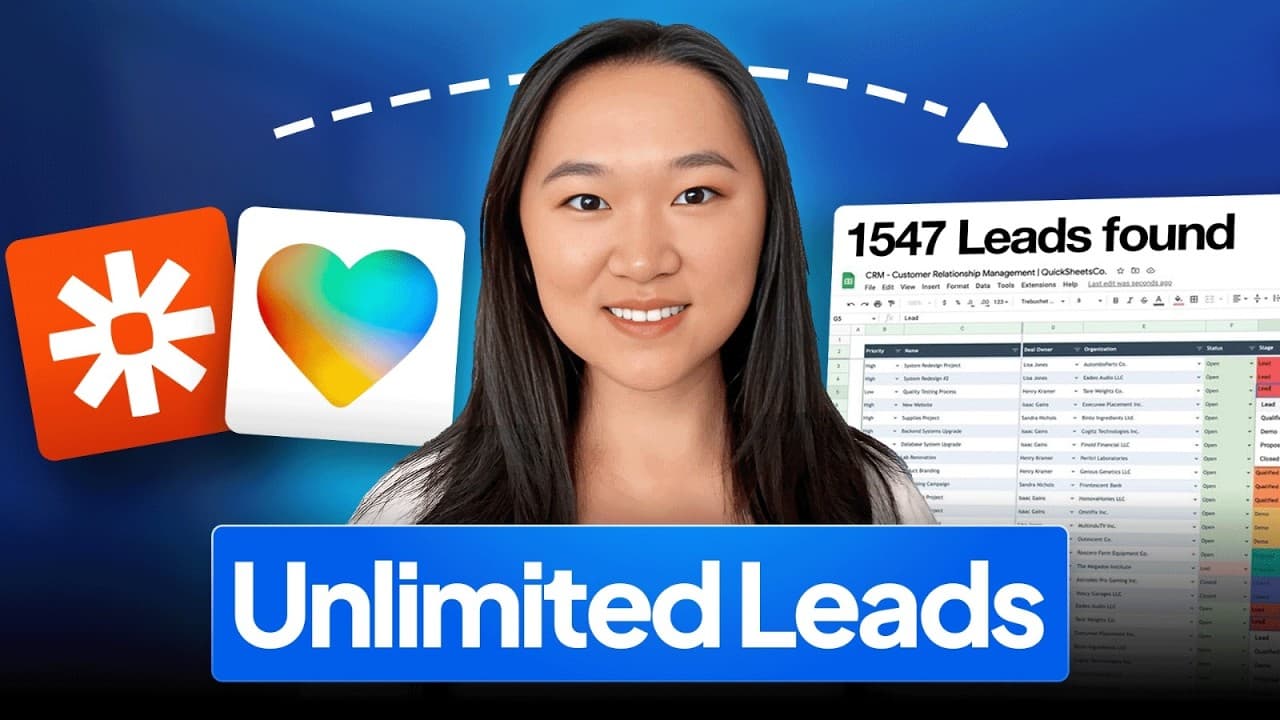
Avoid selling AI automations because prices fall as supply grows. Instead, identify common problems and package solutions as a micro SAS using tools like Zapier and Lovable. This approach allows serving many clients with a front end and a back end automation, enabling scalable, repeatable workflows.
Transcript
This might sound counterintuitive, but you should not be selling AI automations. Here's three reasons why. The first reason is because the prices have been going down. So, in economics, you have your supply and you have your demand. And if they are in sync, then everything's good. But if all of a sudden you got more demand than supply, there will b... Read More
Key Insights
- AI automation pricing is pressured by rising supply and stagnant demand, causing downward price pressure until a new equilibrium is found.
- Selling bespoke AI automations is hard to scale due to limited hours, unique client workflows, and diverse tool usage across projects.
- A micro SAS model solves the scalability issue by packaging common problems into repeatable automations accessible to many clients.
- The front end enables clients to specify niche, location, and desired lead count, creating a standardized input for automation.
- Zapier and Lovable form the core of the MVP, enabling no-code construction of the front end and automation back end.
- A webhook-based integration connects the front end to Zapier, triggering automated lead searches and delivery.
- Agent-driven automation in Zapier handles searching, formatting, and emailing leads based on user criteria.
- The strategy is to replace bespoke projects with a reusable system that can scale from one client to many without proportional staffing needs.
- More videos from this channel:
- More from this channel: Helena Liu
Install to Summarize YouTube Videos and Get Transcripts
Explore YouTube Video Summarizer or Get YouTube Transcript Extractor
Questions & Answers
Q: What is a micro SAS and how does it relate to AI automations
A micro SAS is a small, scalable software as a service product built around common problems business owners face. In the video, the idea is to take AI automations and wrap them as repeatable, front end accessible services delivered via a subscription or credit-based model. This turns one off, bespoke services into a scalable offering that can serve many customers simultaneously.
Q: Why should I avoid selling AI automations
The presenter explains three main reasons: prices for AI automation services are falling as supply increases, making it hard to maintain a profitable margin; it is difficult to scale because each project is bespoke and requires different APIs and integrations; and staffing becomes challenging because each job may need different skill sets, leading to constant hiring and onboarding. These factors make the business less sustainable over time.
Q: What tools are suggested for building a micro SAS in the video
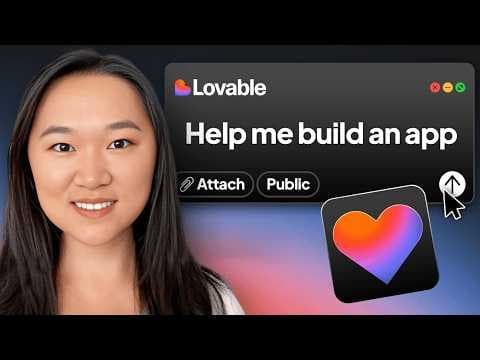
The video recommends using Lovable to create the front end user interface and Zapier for the automation backend. Lovable handles the visual prompt and front end, while Zapier connects the trigger to a workflow that searches for leads and delivers results via email. The combination enables building a no code solution quickly.
Q: How does the front end solicit user input in the MVP example
The front end asks users to select a niche such as dentist or plumber, enter a location, and specify the number of leads to scrape. There is a login/logout system and a settings area that tracks remaining credits. Each lead costs one credit, and users start with 100 credits. This creates a straightforward, scalable input model.
Q: What is the role of webhooks in the setup
Webhooks act as the communication channel between the front end and Zapier. When a user clicks generate leads, the front end sends the niche, location, and number of leads through a webhook to trigger the Zapier workflow. This ensures the front end can initiate backend processing without writing custom code.
Q: How are leads delivered to the user according to the video
Leads are gathered by the Zapier agent based on the criteria provided by the user and then sent to the user via email. The agent handles data extraction and formatting, consolidating results into a consumable email. This keeps the user experience simple while ensuring timely delivery of results.
Q: What makes the micro SAS more scalable than traditional AI automation selling
The micro SAS approach scales by converting bespoke, one client at a time automations into a reusable system with a front end and a back end. It reduces the need for custom integrations for every client, leverages a consistent credit system for access, and enables serving many clients concurrently without proportional staffing increases.
Q: What is the recommended workflow to test this MVP
Begin with defining a simple lead generation workflow in Lovable, connect it to a Zapier webhook, and configure a Zapier agent to search and email leads. Test by entering realistic niches and locations, verify that the trigger fires correctly, and confirm that the email delivers the expected lead data. Iterate based on feedback and usability.
Summary & Key Takeaways
-
This video argues that selling AI automations is not scalable due to price compression and bespoke work. It proposes building a front end with Lovable, connecting to Zapier, and offering a micro SAS to solve common business problems. The method emphasizes scalability and repeatable workflows over one-off custom projects.
-
The presenter demonstrates a two tool approach using Lovable for the UI and Zapier for automation, creating a lead generation micro SAS that can serve many clients simultaneously. The process includes user credentials, credit-based leads, and backend integrations.
-
The training outlines practical steps to test the MVP, adjust the UI, and leverage automation agents to fulfill client needs. It emphasizes avoiding bespoke integrations and prioritizing repeatable architectures that scale with demand.
Read in Other Languages (beta)
Share This Summary 📚
Summarize YouTube Videos and Get Video Transcripts with 1-Click
Try YouTube Summary with ChatGPT & Claude or YouTube Transcript Generator
Explore More Summaries from Helena Liu 📚



Summarize YouTube Videos and Get Video Transcripts with 1-Click
Try YouTube Summary with ChatGPT & Claude or YouTube Transcript Generator