How to Create 1000+ Facebook Ads in 4 Minutes
TL;DR
AI can dramatically scale ad output but cannot fully replace skilled copywriters yet. The video compares AI tools with human writers in a live test, highlighting strengths of a custom Kong system and real-world ad performance data while exploring how AI fits into a marketing agency workflow.
Transcript
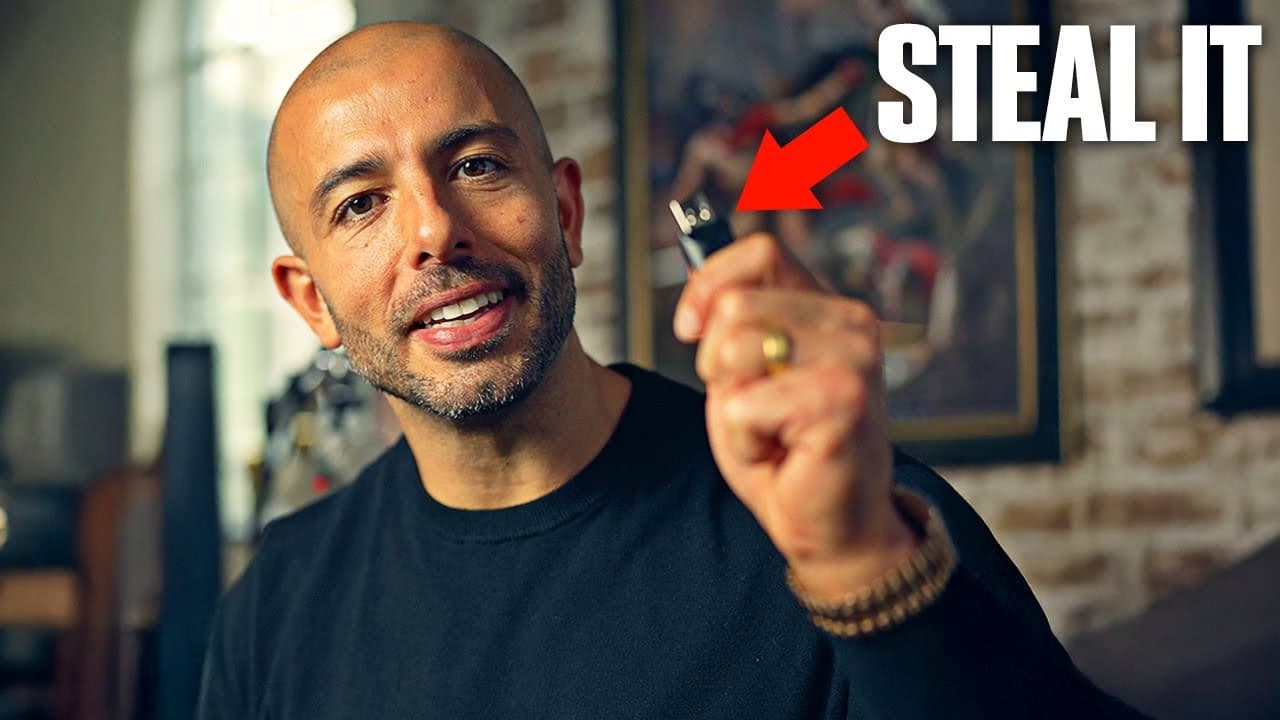
this is an AI hey sa and today we're going to see if it can replace a hundred of the employees in my business I wasn't expecting things to get this out of hand this is actually Fu you look nervous you Andrew Tate looking mother these ads are so much better it's ridiculous and on this USB stick is the Wild and scandalous future of marketing that I u... Read More
Key Insights
- AI can generate multiple ad variants quickly, enabling rapid testing and optimization across campaigns.
- The best-performing copy often combines specific benefits with clear calls to action, something AI can mirror but human nuance enhances.
- A custom AI tool, Kong, was developed by the creator using extensive advertising data to guide copy decisions.
- AI performance varies by task; headlines may outperform humans in volume but body copy may still benefit from human touch.
- Human copywriters continue to add perceived value through tone, specificity, and emotional resonance.
- Real-time testing shows cost-per-lead and CTR trends can shift based on copy quality and targeting.
- The workflow in the video blends AI automation with human review to balance speed and quality.
- Ethical and practical considerations emerge about AI replacing roles, highlighting a need for hybrid approaches.
- More videos from this channel:
- More from this channel: Sabri Suby
Install to Summarize YouTube Videos and Get Transcripts
Explore YouTube Video Summarizer or Get YouTube Transcript Extractor
Questions & Answers
Q: What is Kong and how is it used in the test?
Kong is described as a proprietary AI software created by the host that ingests extensive advertising research to generate ad headlines and body copy. In the test, Kong competes against human copywriters and other AI platforms to produce five headlines and a body paragraph within a two minute window. The goal is to assess value, speed, and quality across multiple strategies.
Q: How does the video measure the performance of AI vs humans?
Performance is measured by comparing headline quality, body copy, and eventual conversion signals like cost per lead (CPL) and click-through rate (CTR) in a simulated or real ad setup. The host and team discuss initial impressions, then review actual campaign data to determine which approach yields better engagement and lower costs.
Q: What types of ads are being created in the experiments?
The experiments cover ads for a dental solution targeting a Melbourne audience, a course teaching people to quit their 9 to 5 for an e-commerce side hustle, and a property investment campaign. Each scenario requires tailored headlines and body copy to address different pain points and audiences.
Q: Does the video claim AI can fully replace copywriters?
The video presents a nuanced view, showing AI can generate numerous headlines quickly and may outperform in certain metrics, but human copywriters still deliver nuanced, high-quality, and more persuasive body copy. The overall message is that AI can augment, not completely replace, human expertise in advertising.
Q: What is the observed outcome of the Kop Kong vs human copywriter comparison?
The Kong AI system often generates more headlines and can create copy that resonates with audiences by leveraging data-driven insights. However, the human copywriter demonstrates strength in crafting persuasive narratives, sensory details, and clear calls to action. The comparison highlights complementary strengths rather than a definitive winner.
Q: What lessons about ad testing does the video convey?
The video emphasizes the importance of rapid experimentation, diverse variations, and keeping tests tightly scoped in time to reveal performance differences. It also shows the value of pairing AI-generated options with human review to filter for quality and relevance before scaling campaigns.
Q: How does the host view AI in the context of a marketing agency?
The host positions AI as a tool that can dramatically increase output and efficiency, enabling more experiments and faster iterations. He also suggests that AI should be integrated into a hybrid workflow, where human expertise guides strategy, tone, and optimization, rather than relying on AI alone.
Q: What safety or reliability considerations are hinted at in the video?
The video hints at potential inconsistencies in AI-generated copy, such as being too generic or lacking a strong call to action. It implicitly urges caution through human oversight, testing, and validation against real performance metrics, to ensure campaigns remain compliant, ethical, and effective.
Summary & Key Takeaways
-
The video demonstrates a practical experiment where AI and human copywriters compete in creating Facebook ads for a dental solution, measuring headlines and body copy under time constraints.
-
A second thread follows the creator’s broader journey through AI tools and a proprietary system named Kong, aiming to improve output and efficiency in ad creation.
-
The conclusion emphasizes that AI can boost output and provide valuable benchmarks, but expertise and strategy remain critical for high-performing campaigns.
Read in Other Languages (beta)
Share This Summary 📚
Summarize YouTube Videos and Get Video Transcripts with 1-Click
Try YouTube Summary with ChatGPT & Claude or YouTube Transcript Generator
Explore More Summaries from Sabri Suby 📚



Summarize YouTube Videos and Get Video Transcripts with 1-Click
Try YouTube Summary with ChatGPT & Claude or YouTube Transcript Generator