How to Scale Meta Ads With Creative Testing
TL;DR
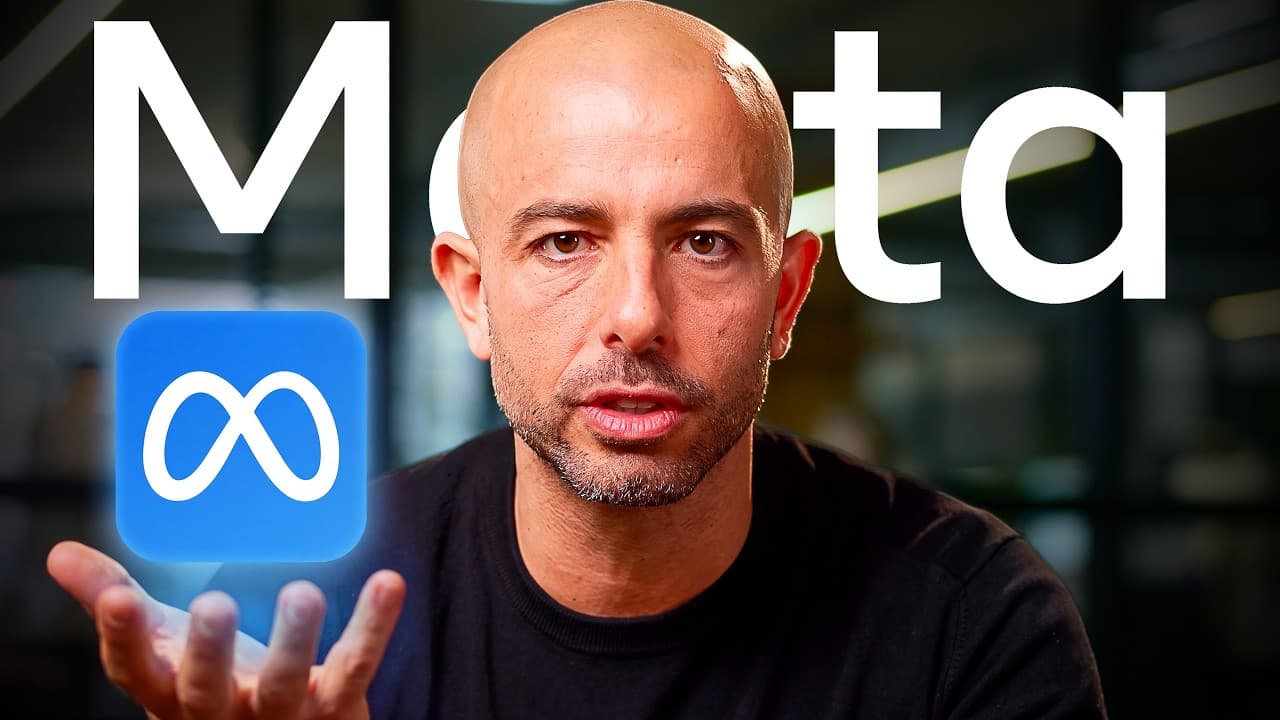
Prioritize finding a winning creative before optimizing Meta campaign structure, because creative supplies the signal that the platform amplifies. Begin with high-volume static testing, make ads resemble native content, and combine a pattern interrupt, burning intrigue, and a specific benefit. After identifying winners, move them from one broad-targeting test campaign into a separate scaling campaign.
Transcript
I've spent over $300 million on meta ads. And there are four stages to go from complete beginner to scaling to a $100,000 per day, starting with stage number one, zero to $100 per day. And this is where most people get stuck is because they obsess over the algorithm. They sit around like absolute geeks obsessing over what is the best account struct... Read More
Key Insights
- Creative is the primary lever in early Meta advertising because excellent account structure cannot compensate for lifeless advertisements. A beginner’s sole objective from zero to $100 per day should be discovering a winning creative rather than continually adjusting bidding rules, ad sets, or campaign architecture.
- Human psychology is a more durable advertising skill than platform tactics because algorithms and media-buying methods change quickly. Understanding what makes a qualified prospect stop, click, and express interest remains useful even as Meta’s technology, interfaces, and recommended campaign configurations evolve.
- Native-looking content is more likely to earn attention because people visit Meta platforms to consume content rather than advertisements. Creative that visibly announces itself as an ad can prompt users to continue scrolling, while raw, organic-looking material can enter the feed with less resistance.
- The hyperdopamine formula consists of a pattern interrupt, burning intrigue, and a large specific benefit. The unusual visual stops the scroll, the unexplained situation creates curiosity, and the promised outcome acts as dog-whistle copy that primarily resonates with people who desire that benefit.
- The slippery lead-in is the 11 to 14 words positioned above the creative. It should place the prospect inside an active conversation, desired outcome, or feared situation without immediately revealing the product, offer, or coupon, creating an open loop that encourages further reading.
- Readable body copy is produced through deliberate editing rather than relying on an initial draft. The recommended process is to write the copy, move it into the Hemingway app, reduce it to a fifth-grade reading level or below, and remove passages highlighted red or yellow.
- Static advertisements are the preferred format during initial testing because they allow many carefully developed angles to be produced and evaluated faster than videos. Avoiding scripting and video editing helps concentrate resources on locating a winning message and creative concept as quickly as possible.
- A two-campaign structure separates experimentation from expansion. Headlines, body copy, and creatives enter a testing campaign, then advertisements with the best cost per lead, CPA, or ROAS move into a scaling campaign that uses broad targeting and lets detailed creative guide audience matching.
- More videos from this channel:
- More from this channel: Sabri Suby
Install to Summarize YouTube Videos and Get Transcripts
Explore YouTube Video Summarizer or Get YouTube Transcript Extractor
Questions & Answers
Q: How should beginners start testing Meta ads?
Beginners should concentrate on finding one winning creative before refining campaign structures, bidding rules, or detailed audience settings. The recommended starting format is static advertising because static concepts can be produced and tested faster than scripted or edited videos. Each advertisement should look native to the feed while combining an unusual visual, strong curiosity, and a specific benefit that matters to the intended prospect.
Q: Why is creative more important than Meta account structure?
Creative provides the signal that determines whether people stop, consume the message, and click, while campaign structure only amplifies that signal. Even an expertly organized account will struggle when its advertisements are lifeless. A simple campaign using one strong advertisement and broad country targeting can outperform sophisticated media buying built around weak creative, so creative deserves priority during the earliest stage.
Q: How can a Meta ad look like native content?
A Meta ad can look native by borrowing the raw, intriguing qualities of content that people already consume in their feeds. Instead of using polished production designed to stand apart as advertising, study widely viewed pages, observe recurring visual and editorial patterns, and adapt those patterns. The objective is to stop scrolling without immediately signaling that the user has encountered a conventional advertisement.
Q: What is the hyperdopamine ad formula?
The hyperdopamine formula has three required ingredients. First, a pattern interrupt uses something unusual to stop a person’s thumb in the feed. Second, burning intrigue makes the viewer want to resolve an unexplained or mismatched situation. Third, a large, specific benefit identifies the desired outcome, functioning as dog-whistle copy that attracts prospects who particularly care about that result.
Q: How should headlines and lead-ins be written for Meta ads?
A headline should combine burning intrigue with a large, specific benefit and remain no longer than 45 characters. The slippery lead-in above the creative should contain 11 to 14 words and place the reader directly inside a conversation, dream outcome, or nightmare situation already present in the prospect’s mind. It should open a loop without revealing the product, offer, or coupon immediately.
Q: How should Meta ad body copy be edited?
Body copy should begin as a complete human-written draft and then be refined heavily during editing. The recommended workflow is to transfer the draft into the Hemingway app, target a fifth-grade reading level or below, and remove or rewrite anything highlighted in red or yellow. The goal is smooth, accessible copy that readers can move through easily after the creative and lead-in capture attention.
Q: Why should initial Meta ad tests use static creatives?
Initial tests should use static creatives because they can be developed in greater volume than videos, allowing advertisers to evaluate more messages, visual concepts, and angles in less time. Video introduces scripting, editing, and production work that can slow the search for a winner. Static testing still requires scrutiny and quality, but it makes rapid, focused experimentation more practical.
Q: What campaign structure should be used to scale Meta ads?
The recommended structure contains two campaigns. One testing campaign holds creative variations, headlines, and body copy so performance can be compared. Proven advertisements with the best cost per lead, CPA, or ROAS then move into a separate scaling campaign. Both can use broad targeting, with detailed, specific copy supplying signals that help the algorithm locate people likely to find the offer relevant.
Summary & Key Takeaways
-
The first stage focuses exclusively on finding a winning creative rather than obsessing over bidding rules, account structures, or algorithm changes. Ads should resemble content that users already consume on Meta, because gaining attention and consumption comes before conversion. Raw, intriguing static images enable marketers to test many angles quickly and efficiently.
-
The hyperdopamine formula combines three elements: a pattern interrupt that stops scrolling, burning intrigue that opens a curiosity loop, and a large, specific benefit desired by the target customer. Supporting elements include a headline under 45 characters, an 11 to 14 word slippery lead-in, readable body copy, and a Learn More call to action.
-
Once a winning creative has been identified, campaign structure becomes an amplifier. The recommended setup contains one campaign for testing headlines, body copy, and creatives, plus another campaign for scaling proven winners. Broad targeting replaces complicated audience tactics, while detailed, specific long-form copy gives the algorithm more information for matching advertisements with relevant prospects.
Read in Other Languages (beta)
Share This Summary 📚
Summarize YouTube Videos and Get Video Transcripts with 1-Click
Try YouTube Summary with ChatGPT & Claude or YouTube Transcript Generator
Explore More Summaries from Sabri Suby 📚
Summarize YouTube Videos and Get Video Transcripts with 1-Click
Try YouTube Summary with ChatGPT & Claude or YouTube Transcript Generator