How to Improve English Writing: 14 Practical Techniques
TL;DR
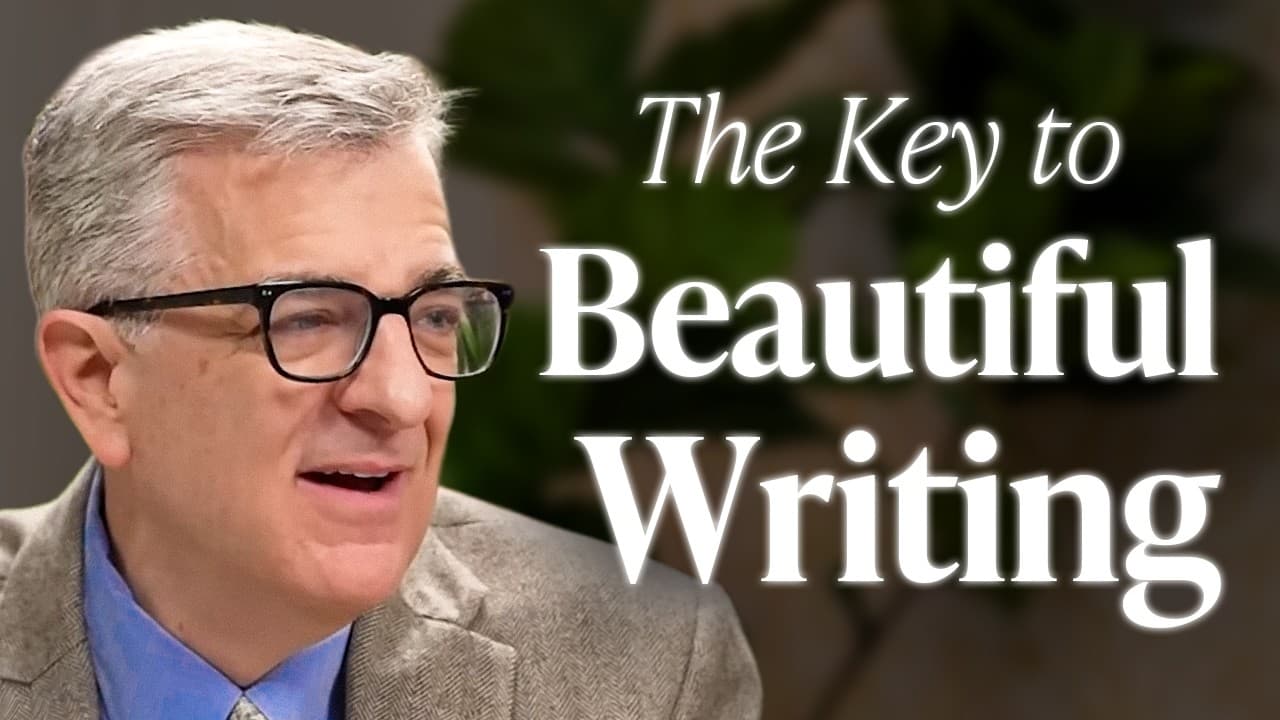
The key to better writing is choosing words deliberately, favoring Saxon over Latinate terms for clarity and impact. Use simple words for strength, and reserve fancier words to shape tone. Repetition and rhythm, as seen in famous lines, help memory and emphasis, and studying classic examples reveals how to craft powerful prose.
Transcript
Never in the field of human conflict, every kingdom divided against not what your country can do for you. One of the most memorable things ever written in English. Wow. As a writer, you're always picking words. And great writers have always understood this. If you have to have one rule is, David, you know what everybody's problem is? What? Too many... Read More
Key Insights
- X is the core idea that English words come from two language families, Saxon and Romance, which shapes word choice.
- The key to strong writing is preferring Saxon words for blunt, direct impact while using Latinate words for formality or nuance.
- Clarity improves when you can explain concepts with Saxon words; Latinate forms can signal sophistication but may hinder directness.
- Short, sharp words with hard sounds tend to convey strength and urgency in writing.
- Latinate words offer productive flexibility because they form new parts of speech easily, enabling constructions like acquisition or termination.
- In public or memorable writing, repetition at the start of successive clauses reinforces key ideas and makes phrases stick.
- Classical rhetoric tools, such as anaphora (repetition at sentence starts), amplify the emotional and cognitive impact of a passage.
- Study of historical examples (Bible, Churchill, Lincoln) reveals how word choice and rhythm create enduring, quotable lines.
Install to Summarize YouTube Videos and Get Transcripts
Explore YouTube Video Summarizer or Get YouTube Transcript Extractor
Questions & Answers
Q: What is the difference between Saxon and Latinate words and why does it matter for writing?
Saxon words are typically shorter, sharper, and convey blunt, direct meaning, making them ideal for strong, memorable statements. Latinate words are often more versatile for forming related parts of speech and conveying nuance or formality. Understanding this distinction helps writers choose words that create the desired tone, pace, and impact, especially when aiming to be remembered.
Q: Why should writers prefer simple words over fancy ones according to the interview?
The interview argues that simple words often convey force and clarity more effectively than elaborate terms. When writers default to Saxon wording, they achieve a candid and powerful voice that audiences grasp quickly. This approach reduces noise, keeps focus on meaning, and enhances memorability, which is crucial in public or persuasive writing.
Q: How can repetition enhance a speech or piece of writing?
Repetition strengthens memory by anchoring the core idea in the listener or reader’s mind. Starting successive clauses with the same phrase creates a rhythmic pattern that emphasizes the main point and makes the message more quotable. This technique gives the audience a clear anchor while allowing details to unfold around it.
Q: What role does rhythm play in effective English writing?
Rhythm shapes how a sentence feels and lands on the reader. It guides pace, emphasis, and mood, making statements feel natural or forceful as needed. A well-tuned rhythm, often achieved through short words, parallel structures, and deliberate sentence length, can elevate prose from informative to memorable.
Q: What examples illustrate the power of deliberate word choice?
Examples range from the King James Bible’s use of simple, Saxon words to Churchill’s resonant speeches and Lincoln’s carefully chosen phrases. These texts show how straightforward diction, paired with strategic repetition and cadence, can produce lines that endure, influence culture, and remain quotable across generations.
Q: How can a writer apply Farnsworth’s guidance to modern writing practice?
Writers can practice by analyzing word origins, substituting simpler terms for more complex ones, and testing how changes affect tone and clarity. They should aim for clarity first, then add nuance with Latinate forms when the context requires formality or precision. Regular exercises in rewriting can build instinct for effective word choice.
Q: What is anafera and how does it function in memorable rhetoric?
An anafera is a rhetorical device that repeats the same opening at the start of successive clauses. It creates a heightened sense of urgency and rhythm, making the message more persuasive and easier to recall. This technique, used in famous speeches, helps anchor the main idea and energize the audience.
Q: Why is it important to study older texts for modern writing?
Older texts demonstrate enduring patterns of clarity, rhythm, and persuasive power. They reveal how word choice and structure interact to create memorable statements. By studying classics, writers can learn proven strategies for crafting strong prose that resonates across time and culture.
Summary & Key Takeaways
-
Ward Farnsworth explains that English blends Saxon and Romance roots, and writers should prefer simple Saxon words when aiming for strength, using Latinate terms to add nuance only when appropriate.
-
He demonstrates how famous passages achieve impact through technique like repetition, rhythm, and careful word choice, illustrating practical writing strategies from King James Bible to Churchill and Lincoln.
-
The discussion offers actionable advice: analyze word origins, test substitutes, and practice crafting sentences that balance clarity, force, and politeness, drawing from a long tradition of effective English writing.
Read in Other Languages (beta)
Share This Summary 📚
Summarize YouTube Videos and Get Video Transcripts with 1-Click
Try YouTube Summary with ChatGPT & Claude or YouTube Transcript Generator
Explore More Summaries from David Perell 📚



Summarize YouTube Videos and Get Video Transcripts with 1-Click
Try YouTube Summary with ChatGPT & Claude or YouTube Transcript Generator