How Did Darwin Form the Theory of Evolution?
TL;DR
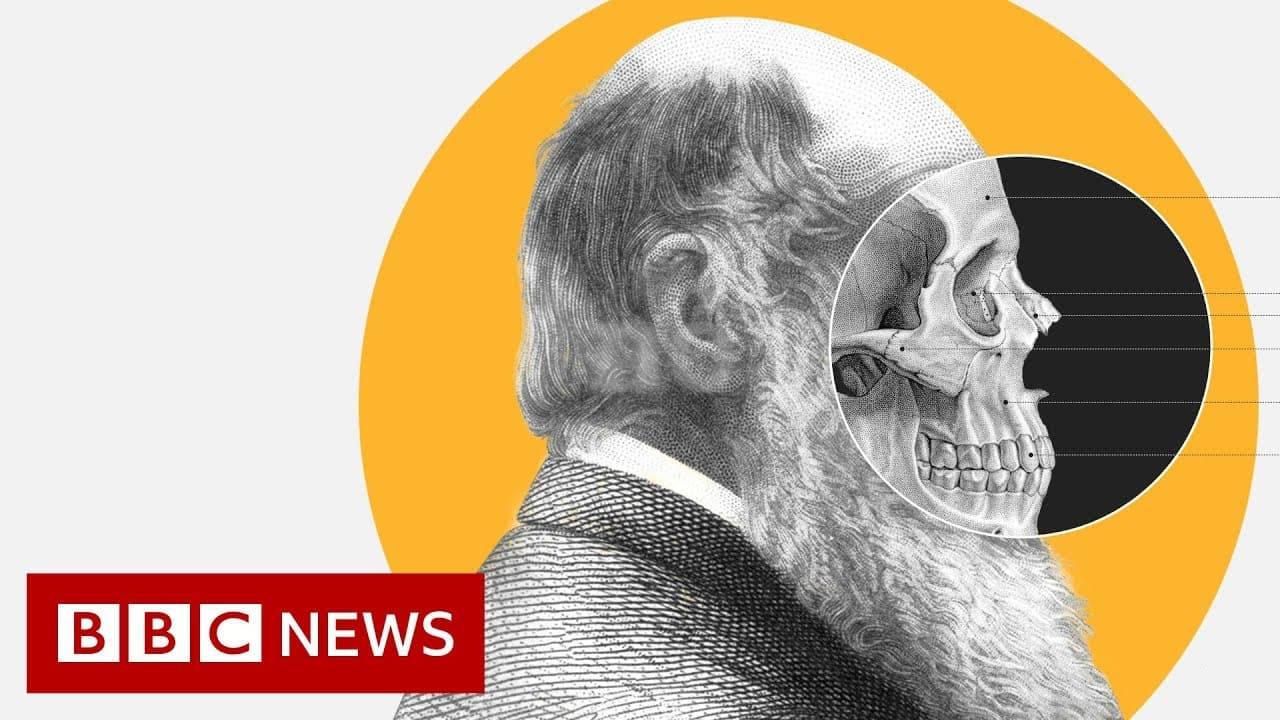
Darwin formed the theory of evolution through natural selection after his Beagle voyage, observing variations in Galapagos tortoises and other species, and drawing on artificial selection and Malthus. He published On the Origin of Species after a letter from Wallace suggested a shared conclusion, revolutionizing biology.
Transcript
the belief that God had created mankind in his own image and likeness were shed by most Western scientists until the middle of the 19th century they thought all the creatures of the planet had been conceived by a divine force that is until Charles Darwin arrived some researchers were already talking about an evolution of the species but the British... Read More
Key Insights
- Darwin collected diverse data during the Beagle voyage that challenged static views of species and supported gradual change over long timescales.
- Natural selection is driven by environmental pressures that favor traits improving survival and reproduction, leading to gradual shifts in populations over generations.
- Variation among individuals within a species is essential for adaptation and the eventual formation of new species.
- Artificial selection by humans demonstrated that selection can shape species, providing a model for natural selection in nature.
- Malthus’ population theory gave Darwin a mechanism to explain competition for resources and differential survival.
- Geographic isolation and local environmental differences can produce distinct adaptations, as seen in Galapagos tortoise populations.
- Common ancestry implies that diverse life forms share a single tree of life, with branching patterns reflecting historical diversification.
- Darwin faced delays in publishing due to the need for robust, refutable evidence but ultimately published a work that redefined biology
- More videos from this channel:
- More from this channel: BBC News
Install to Summarize YouTube Videos and Get Transcripts
Explore YouTube Video Summarizer or Get YouTube Transcript Extractor
Questions & Answers
Q: How did Darwin use his Beagle voyage to develop his ideas about evolution?
During the five year journey on the Beagle, Darwin collected fossils, studied living species across continents, and noted similarities and differences among related organisms. These data suggested that species could change over time and that local environmental conditions could shape physical traits. This field evidence formed the backbone of his later arguments for natural selection.
Q: What role did Galapagos tortoises play in Darwin's theory?
Tortoises on different islands displayed distinct shell shapes and neck lengths, linked to local vegetation and climates. Darwin inferred that these differences arose from adaptation to specific environments rather than separate creation, illustrating how natural selection could drive divergence within a lineage and contribute to the formation of new species over time.
Q: How did Malthus influence Darwin’s thinking?
Malthus argued that populations tend to grow faster than resources, creating competition. Darwin applied this concept to nature, proposing that only individuals with advantageous traits would leave more offspring. This struggle for survival could guide evolution, favoring advantageous variations and gradually changing populations.
Q: Why did Darwin hesitate to publish his theory for so long?
Darwin wanted to gather extensive and convincing evidence to make the theory irrefutable and to avoid misinterpretation. He worried about the potential social and religious upheaval, and the possibility that others might publish first. The delay ended when Wallace independently conceived a similar idea, prompting a joint presentation and eventual publication.
Q: What is the core mechanism behind natural selection?
Natural selection operates when heritable traits affect survival and reproductive success in a given environment. Individuals with favorable traits are more likely to survive and reproduce, passing those traits to offspring. Over many generations, this process shifts trait frequencies within a population, potentially leading to new species.
Q: How did Darwin’s theory change views on humans and their place in nature?
Darwin argued that humans descended from common ancestry with other animals, rather than being uniquely created. This placed humans within the same evolutionary framework as other species, emphasizing continuity in life and prompting broad shifts in science, philosophy, and religious thought about humanity’s origin and interconnectedness with other organisms.
Q: What stood out about Wallace’s contribution to the theory’s publication?
Wallace independently reached a conclusion similar to Darwin’s about natural selection. To prevent a loss of credit, a joint letter was prepared, and Darwin was prompted to publish his comprehensive work. This collaboration and timing ensured that the theory reached a wide audience and gained credibility in the scientific community.
Q: What impact did Darwin’s publication have on science and society?
The publication of On the Origin of Species presented a testable framework for understanding biological diversity and evolution through natural processes. It reshaped biology, influenced debates on human origins, and eventually found compatibility with faith for many people. The work marked a turning point in how science explains life’s history.
Summary & Key Takeaways
-
Darwin traveled on the HMS Beagle for nearly five years, collecting fossils, life specimens, and observations that suggested species change over time. The voyage provided essential data that supported the idea of descent with modification rather than independent creation. The accumulated evidence helped Darwin build his core argument.
-
Observations in the Galapagos Islands showed tortoises with different shells and neck lengths, implying adaptation to local environments. These variations were not random but correlated with available food and predators, illustrating how natural conditions can shape physical traits across populations.
-
Darwin sourced inspiration from Thomas Malthus, whose ideas about population pressures helped him explain how natural selection favors individuals with advantageous traits. This mechanism explains how reproduction and survival drive the emergence of new species over long time periods.
Read in Other Languages (beta)
Share This Summary 📚
Summarize YouTube Videos and Get Video Transcripts with 1-Click
Try YouTube Summary with ChatGPT & Claude or YouTube Transcript Generator
Explore More Summaries from BBC News 📚






Summarize YouTube Videos and Get Video Transcripts with 1-Click
Try YouTube Summary with ChatGPT & Claude or YouTube Transcript Generator