How did colonial land policies shape Kenya after independence?
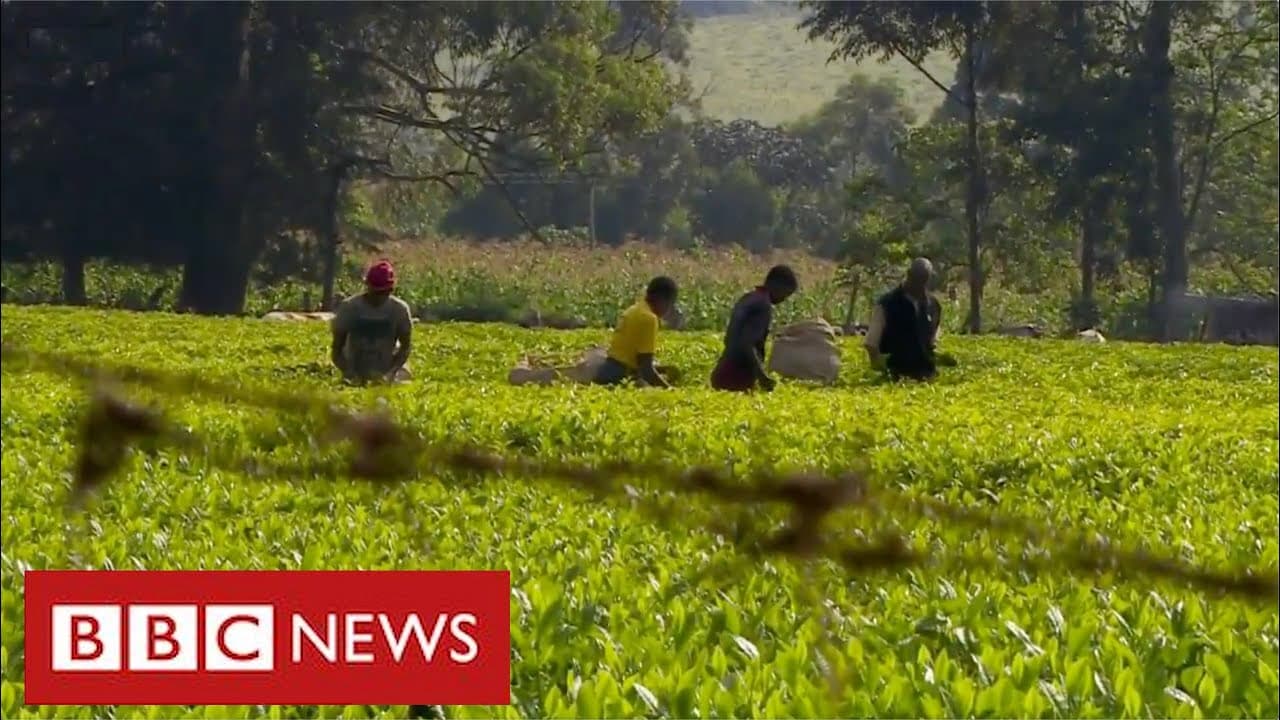
TL;DR
Colonial rule displaced tens of thousands from fertile land and created native reserves while taxes forced locals to work on settler farms. After independence in 1963, land inequality persisted, and many communities remained landless, with elites benefiting from the colonial system and statues of colonial leaders being removed as part of ongoing reckoning.
Transcript
the ongoing black lives matter protests and the continuing debate over some of britain's public statues have shone a light on the country's imperial past and its continuing reverberations our latest report looking at britain's colonial legacies comes from kenya where our senior africa correspondent ann soy considers the issue of land distribution a... Read More
Key Insights
- Land distribution favored a small settler elite and pushed locals to native reserves.
- Resistance movements like the Kaleni and Maumau challenged colonial land policies and taxation.
- Independence in 1963 did not immediately rebalance land ownership or wealth.
- Post-independence elites benefited from colonial administration structures.
- Many Kenyans view independence as a change in faces rather than systems of power.
- Tea farming became a cornerstone of Kenya’s economy, tied to land control.
- The colonial stigma around certain clans persisted into independence.
- Public monuments and national memory continue to grapple with colonial legacies.
- More videos from this channel:
- More from this channel: BBC News
Install to Summarize YouTube Videos and Get Transcripts
Explore YouTube Video Summarizer or Get YouTube Transcript Extractor
Questions & Answers
Q: What caused the initial land inequality in Kenya during colonial times?
Colonial land policies allocated the best land to settlers and created native reserves, forcing locals to rely on plantation work and taxes. This system entrenched unequal land ownership and wealth distribution, with the colonial administration using divide and rule tactics to maintain control. These arrangements laid the groundwork for long lasting disparities that persisted after independence.
Q: How did resistance movements impact Kenya under colonial rule?
Resistance movements like the Kaleni context and the Mau Mau fought for freedom and land return, leading to detentions and killings, and intensifying pressure on colonial authorities. Their actions disrupted settler dominance, highlighted the demand for land rights, and contributed to Kenya’s eventual path to independence in 1963, though the social and land inequalities lingered.
Q: When did Kenya gain independence and what changed immediately after?
Kenya gained independence in 1963. The immediate changes included the removal of some colonial statues and a shift to Kenyan leadership, but the basic land distribution patterns and wealth disparities persisted. Many people who had worked within the colonial system or were connected to colonial authorities continued to exercise influence in the new governance structures.
Q: Who benefited most from independence according to the report?
The report suggests that the biggest beneficiaries of independence were those who worked for the colonial administration and those aligned with the colonial power structures. These individuals and families maintained influence and wealth, while many landless communities continued to face economic and social marginalization in the post independence era.
Q: What is the lasting legacy of colonialism in Kenyan villages?
In villages like the Rift Valley, the legacy includes land ownership concentrated among a few, continued poverty among some groups such as the Talai, and ongoing stigma around certain communities. Although land is now held by locals and tea remains a major export, the fundamental inequalities created during colonial times persist in the post independence era.
Q: How has Kenya’s post independence landscape treated statues and memory of colonialism?
Decades after independence, statues of colonial leaders were removed or replaced with Kenyan faces, reflecting a struggle over memory. Yet, the underlying economic and social arrangements that reinforced colonial power structures often remained, suggesting that symbolic changes did not fully rectify the deep seated inequalities rooted in colonial land policy and governance.
Q: What role does tea production play in the post colonial Kenyan economy?
Tea production became one of Kenya’s key exports, supported by the land and climate ideal for agriculture described in the report. While it demonstrates continued agricultural strength, the location of land ownership and control remains a point of contention, with long standing inequalities tied to how land was distributed during colonial rule and maintained after independence.
Q: Why do some Kenyans feel independence did not change their social standing?
Because the elites who helped govern during colonial times retained influence after independence, and land ownership patterns did not drastically shift. The report notes the persistent gap between those connected to colonial administration and landless communities, implying that independence changed leadership rhetoric more than structural wealth and land control. This fuels ongoing demands for reform.
Summary & Key Takeaways
-
Kenya inherited a land system where best land went to settlers and natives were pushed to reserves, a pattern lasting well after independence. The Maumau resistance and the calendar clan era marked strong pushback to colonial rule and land dispossession. Independence did not fully resolve land ownership disparities.
-
Post independence, changes appeared cosmetic rather than structural, with leaders who served colonial authorities dominating the political landscape and land distribution. The legacy continues to influence wealth and power dynamics in Kenya, especially in the Rift Valley where some communities remain landless.
-
The report links past land dispossession to present-day inequalities, noting that tea remains a major export while many locals still do not own land. It questions how deep changes went after independence and suggests ongoing struggles over wealth, power, and memory of colonial governance.
Read in Other Languages (beta)
Share This Summary 📚
Summarize YouTube Videos and Get Video Transcripts with 1-Click
Try YouTube Summary with ChatGPT & Claude or YouTube Transcript Generator
Explore More Summaries from BBC News 📚






Summarize YouTube Videos and Get Video Transcripts with 1-Click
Try YouTube Summary with ChatGPT & Claude or YouTube Transcript Generator