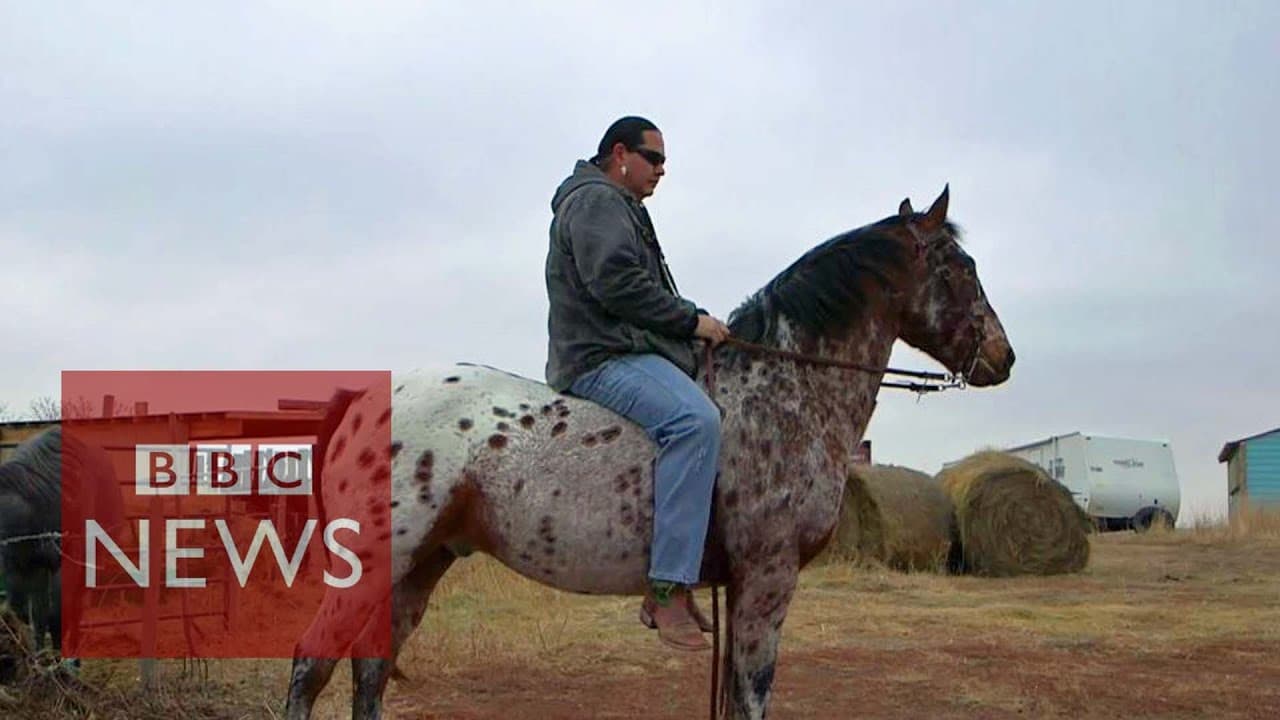
What life is like on a South Dakota reservation
TL;DR
The film shows how poverty, alcohol, and suicide affect reservation life but also highlights a younger generation seeking change. It follows activists who aim to inspire hope by sharing success stories and showing paths beyond the old stereotypes. The message is that culture remains alive and youth can lead the way.
Transcript
America can stand back right now and watch as my own people attack some of our traditional people for believing in our own Lota way of life the media often portrays us as like these sad like poverty stricken people you know there isn't that that focus on who we are today we live on the poorest county in America it's poverty stricken but just becaus... Read More
Key Insights
- Poverty and lack of opportunities drive social problems on reservations, yet young people are actively seeking change.
- The speaker emphasizes that Native identity predates recent national labels and insists on reclaiming culture from stereotypes.
- Young Native artists who achieve success can inspire others on the reservation to pursue education and alternative careers.
- Alcoholism and suicide are linked to expression and opportunity gaps, suggesting that empowerment and visibility can improve outcomes.
- The video portrays role models as essential to building self-belief and long-term community development.
- There is a contrast between external stereotypes and the internal reality of vibrant, modern Native communities.
- The film frames music and art as pathways to visibility and change for Native youth.
- Community collaboration, education, and media representation are presented as key levers for progress.
- More videos from this channel:
- More from this channel: BBC News
Install to Summarize YouTube Videos and Get Transcripts
Explore YouTube Video Summarizer or Get YouTube Transcript Extractor
Questions & Answers
Q: What life is like on a reservation according to the video
The video portrays a place where poverty, unemployment, and social challenges like alcohol use and suicides are common, yet it also shows the resilience of residents. Youth speakers describe hope through education, role models, and cultural revival, arguing that modern success is possible without abandoning their ancestry.
Q: How do young Native activists view the future
Young activists in the film view the future as achievable through visibility, education, and returning to the reservation with new skills. They emphasize breaking stereotypes, using music and art to gain opportunities, and showing younger generations that they can lead change while staying rooted in their culture.
Q: What role do role models play in the narrative
Role models are presented as crucial for inspiring youth to dream bigger than traditional limitations. By showcasing Indigenous individuals achieving success, the film provides tangible examples that resilience and ambition can translate into real opportunities and a sense of purpose within the community.
Q: Why is Native identity discussed beyond labels
The film argues that terms like Native American can obscure history and culture, urging a reclaiming of identity that predates colonial labeling. This perspective frames identity as a living, evolving practice tied to community, land, and continued cultural expression rather than a fixed external category.
Q: What issues correlate with lack of opportunity on the reservation
The narrative connects unemployment with limited activities, isolation, and social problems such as alcohol abuse and suicide. It suggests that expanding opportunities through education, enterprise, and successful role models can reduce feelings of oppression and provide a path toward a more hopeful future.
Q: How is culture depicted in relation to modern life
Culture is depicted as a living, active force that informs everyday life and drives ambition. It is shown as something that can coexist with modern careers in music, film, and entrepreneurship, empowering young people to pursue external opportunities without abandoning their roots.
Q: What is the filmmakers’ hoped outcome for the youth
The filmmakers hope to give Native youth heroes to look up to and to inspire a generation to pursue ambitious goals. By highlighting success stories and community-driven projects, they aim to shift perceptions, encourage self-determination, and foster a sense of agency within reservations.
Q: How does the video portray outsiders’ view of Native people
Outsiders are shown to stereotype Native people as historical or endlessly impoverished. The film challenges this view by presenting contemporary Native life that includes artistry, entrepreneurship, and leadership, thereby encouraging audiences to recognize the complexity and vitality of Native communities.
Summary & Key Takeaways
-
The piece documents the hardships faced on reservations including poverty, unemployment, and high suicide rates, while emphasizing resilience and cultural continuity through youth role models.
-
It follows Indigenous artists and activists who have returned to their communities after time in Los Angeles, illustrating that success can be a catalyst for local change.
-
The documentary argues for recognizing Native identities beyond stereotypes and showcases hopeful visions of future opportunities for young Native people.
Read in Other Languages (beta)
Share This Summary 📚
Summarize YouTube Videos and Get Video Transcripts with 1-Click
Try YouTube Summary with ChatGPT & Claude or YouTube Transcript Generator
Explore More Summaries from BBC News 📚






Summarize YouTube Videos and Get Video Transcripts with 1-Click
Try YouTube Summary with ChatGPT & Claude or YouTube Transcript Generator