How to Build a Sensory Diet for Emotional Balance
TL;DR
Identify which sensory experiences calm, energize, or overwhelm you, then intentionally add or reduce input throughout your day. A personalized sensory diet can make emotional regulation easier by balancing alerting activities with recovery breaks, particularly for children, people with ADHD or autism, and anyone experiencing sensory overload, anxiety, meltdowns, or exhaustion.
Transcript
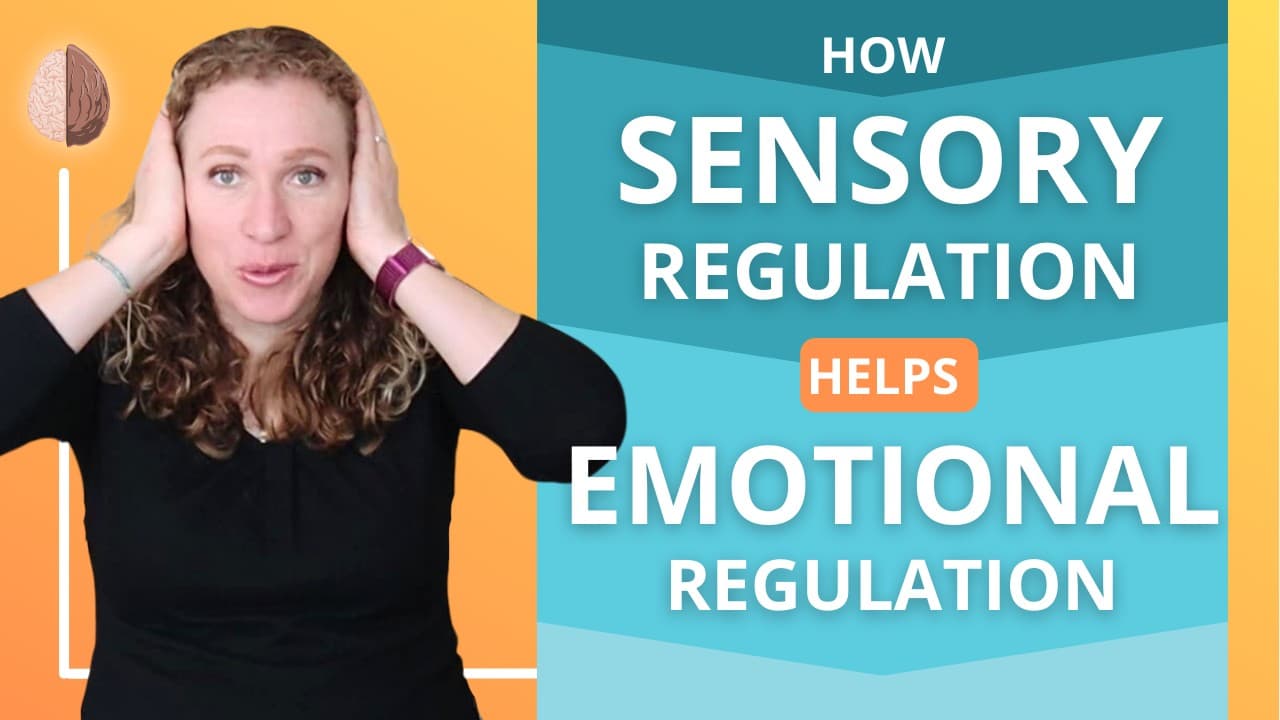
If you struggle with emotional regulation, you desperately need to know about sensory regulation. But a lot of people have no idea what their sensory needs are, and most people don't know how to manage their sensory diet to help with emotional regulation. So this is super important with children and with the neurodiverse community, which is lik... Read More
Key Insights
- Sensory regulation is closely connected to emotional regulation because the brain must process environmental stimuli while managing feelings. When sensory needs remain unmet, ordinary demands can require greater mental effort and may contribute to anxiety, irritability, meltdowns, exhaustion, or difficulty functioning.
- Sensory processing involves seven senses: sight, touch, hearing, smell, taste, vestibular input, and proprioceptive input. Vestibular input relates to balance and movement, while proprioceptive input helps a person perceive where the body is in relation to the surrounding environment.
- Sensory seeking is a preference for more input to a particular sense. It can appear as frequent physical contact, smelling food closely, touching walls while walking, spinning, swinging, choosing crunchy foods, or using background music to remain alert and engaged.
- Sensory avoiding is a response to input that feels overwhelming. Examples include covering the ears around loud sounds, wearing sunglasses against bright light, rejecting particular food textures, disliking certain fabrics, or avoiding amusement park rides because their movement feels uncomfortable.
- A person is not entirely sensory seeking or entirely sensory avoiding. Someone may crave movement or deep pressure while being highly sensitive to touch, sound, light, or food textures, so an effective sensory plan must assess each sense separately.
- Sensory overload can intensify emotional reactions during demanding routines. Competing sounds, conversation, cooking tasks, television, and written instructions may overwhelm the brain, making a person more likely to lose focus, become irritable, snap at family members, or stop enjoying the activity.
- A sensory diet is an individualized collection of activities used to balance sensory needs. It combines alerting input that supports attention and organization with reduced stimulation and recovery breaks when overload develops, rather than prescribing the same activities for everyone.
- Deep pressure can soothe some proprioceptive seekers. In the teenager’s case, weighted blankets and compression clothing helped her relax and understand that her crawling sensations reflected unmet sensory needs rather than hallucinations, supporting better emotional regulation alongside diagnosis and medication.
Install to Summarize YouTube Videos and Get Transcripts
Explore YouTube Video Summarizer or Get YouTube Transcript Extractor
Questions & Answers
Q: What is a sensory diet for emotional regulation?
A sensory diet is an individualized group of activities used to balance a person’s sensory needs throughout daily life. It may include alerting activities that improve engagement and organization, as well as breaks or environmental changes that reduce overwhelming input. The plan is based on which experiences the person seeks, avoids, finds calming, or finds distressing across the seven senses.
Q: How does sensory overload affect emotional regulation?
Sensory overload adds mental and emotional labor because the brain must manage excessive or uncomfortable input while handling ordinary tasks and feelings. In a noisy kitchen, for example, cooking sounds, television, conversation, requests from children, and recipe instructions may create enough strain to impair focus. The resulting overload can increase frustration, irritability, shutdown, or snapping at family members.
Q: What are the seven senses involved in sensory processing?
The seven senses described are sight, touch, hearing, smell, taste, vestibular input, and proprioceptive input. Vestibular input concerns balance and movement, such as recognizing that the body is leaning. Proprioceptive input concerns awareness of the body in relation to the environment, contributing to a sense of body position, space, groundedness, and physical self-awareness.
Q: What is the difference between sensory seeking and sensory avoiding?
Sensory seeking means enjoying or wanting more input through a particular sense, such as craving crunchy foods, seeking physical touch, smelling food closely, touching walls, spinning, or swinging. Sensory avoiding means feeling overwhelmed by input and wanting less of it, such as covering the ears, wearing sunglasses, rejecting food textures, disliking scratchy clothing, or avoiding intense movement.
Q: How can someone identify their sensory needs?
Start by taking an inventory of sensory experiences that feel positive, negative, calming, energizing, or overwhelming. Write down activities you enjoy, situations you avoid, and patterns involving sound, light, touch, movement, taste, smell, balance, and body pressure. This awareness helps reveal where you seek additional stimulation and where reducing stimulation may make attention and emotional regulation easier.
Q: How can a sensory diet be incorporated into daily life?
Build identified sensory needs into ordinary routines with greater intentionality. A short walk may provide alerting input when drowsiness affects work, while quiet recovery time after a busy, loud event may prevent prolonged overload. During cooking, one person may need family members in another room, while a sensory seeker may function better with music playing in the background.
Q: Why can unmet sensory needs resemble behavioral or mental health problems?
Unmet sensory needs can produce restlessness, poor concentration, anxiety, irritability, sleep difficulty, physical discomfort, and behavior that others interpret as rude or inattentive. The teenager described in the transcript feared she might be psychotic because her skin felt as though it were crawling. Assessment instead connected her difficulties to ADHD, touch hypersensitivity, and unmet vestibular and proprioceptive needs.
Q: What helped the teenager improve her sensory and emotional regulation?
Her treatment plan had three main components: an accurate ADHD diagnosis, appropriate medication, and a balanced sensory diet. Assessment showed touch hypersensitivity together with vestibular and proprioceptive seeking. Weighted blankets, compression clothing, therapy, and education supplied deep pressure and helped her relax. Her focus and grades improved, teacher conflict decreased, and her stress and emotional health improved.
Summary & Key Takeaways
-
Sensory processing determines how people interpret and respond to input from sight, touch, hearing, smell, taste, balance, and body position. Each person may seek input through some senses while avoiding it through others. Remaining outside one’s sensory comfort zone consumes mental and emotional effort, potentially contributing to anxiety, meltdowns, exhaustion, and impaired focus.
-
A teenager with ADHD experienced crawling skin sensations, fabric sensitivity, restlessness, poor sleep, and difficulty focusing at school. A sensory assessment identified touch hypersensitivity alongside vestibular and proprioceptive seeking. Accurate diagnosis, appropriate medication, weighted blankets, compression clothing, and other sensory supports improved her focus, grades, stress, emotional health, and ability to relax.
-
Building a sensory diet begins with recording enjoyable, calming, and overwhelming experiences across the seven senses. The resulting individualized plan should combine alerting activities that support engagement with breaks that reduce overload. Environmental changes, movement, deep pressure, quiet recovery time, music, and preferred tastes or smells can be incorporated according to personal needs.
Read in Other Languages (beta)
Share This Summary 📚
Summarize YouTube Videos and Get Video Transcripts with 1-Click
Try YouTube Summary with ChatGPT & Claude or YouTube Transcript Generator
Explore More Summaries from Therapy in a Nutshell 📚




Summarize YouTube Videos and Get Video Transcripts with 1-Click
Try YouTube Summary with ChatGPT & Claude or YouTube Transcript Generator