How America's AI Boom Depends on Energy and Grid
TL;DR
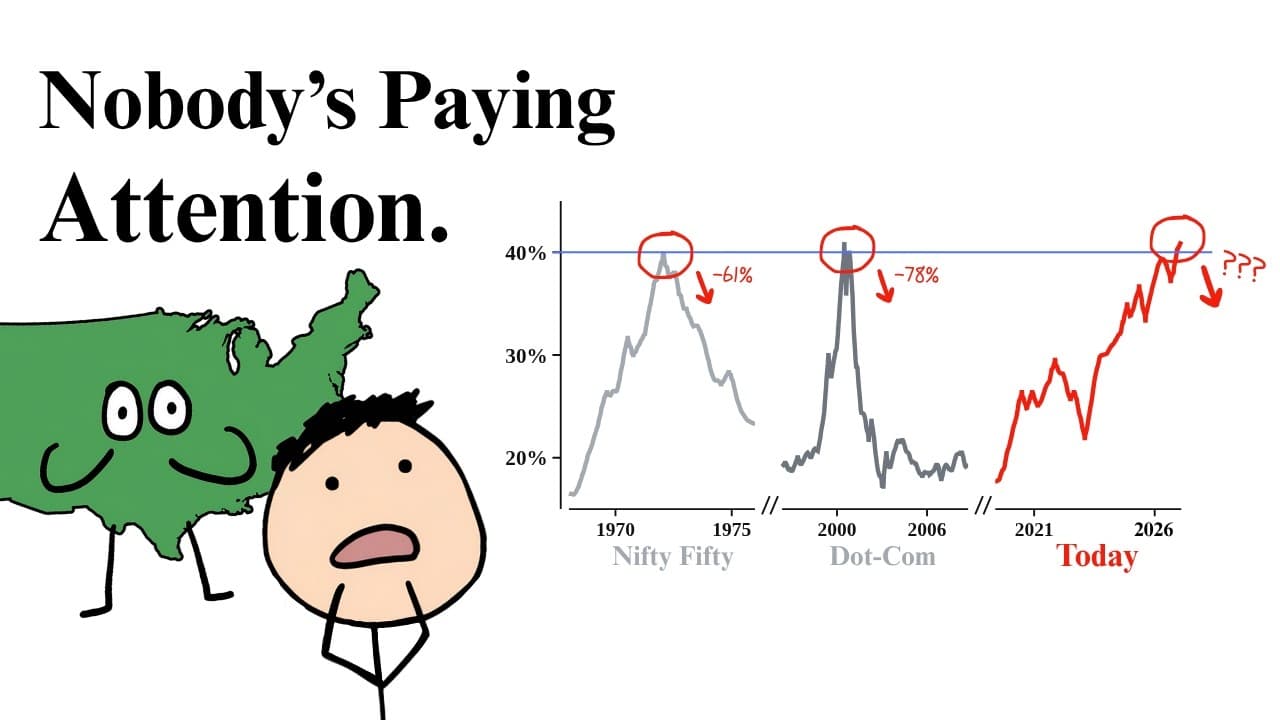
The AI boom hinges on the energy and grid infrastructure, not just AI technology. The interconnection queue delays to access power can span years, while data centers consume growing electricity and strain the grid. Until capacity and supply chains keep pace with demand, AI deployment risks delays and higher costs rather than immediate profits.
Transcript
The single biggest threat to America isn't the national debt. It's not the straight of hormones. And it's not even the AI bubble itself. It's energy. But not energy in the way you're probably thinking. It's not blackouts or your monthly utility bill. It's that America has pushed all its chips to the center of the table and bet the entire economy on... Read More
Key Insights
- AI growth is financed by rapid, ever-expanding capital expenditure on infrastructure, not just software and algorithms.
- The interconnection queue for electricity has grown from under 2 years in 2008 to over 8 years today.
- Gas turbines and transformers are the main bottlenecks in expanding data center capacity, with backlogs and shortages driving delays.
- Power grid capacity auctions show price spikes when data centers demand more secure power supply.
- Data centers consume a rising share of electricity, potentially reaching 20 percent by 2035 according to the video.
- The market expects AI returns to show up on a timetable that may not align with hardware supply constraints.
- Historically, the question is whether AI can be delivered on time, not merely if it works.
- The energy constraint creates a narrative shift from a pure technology story to a supply chain story.
Install to Summarize YouTube Videos and Get Transcripts
Explore YouTube Video Summarizer or Get YouTube Transcript Extractor
Questions & Answers
Q: What is the real bottleneck for deploying AI at scale besides computing power?
The real bottleneck is the energy supply chain and grid readiness. Data centers need ready access to electricity through interconnection queues that can take years to resolve, and there are shortages in gas turbines, transformers, and transmission lines. Without sufficient, timely power, AI infrastructure cannot scale as quickly as the software and hardware investments imply.
Q: Why does the video claim the AI bubble is tied to energy, not just AI technology?
Because the pace of AI deployment depends on when the grid can supply reliable, affordable power and whether transmission and generation capacity can meet peak demand. The video highlights how capital is being spent to build infrastructure while the physical power supply lags, making the timing of AI adoption uncertain and potentially delaying returns.
Q: What happened in the PJM capacity market that signals a rising risk for AI infrastructure?
PJM saw a spike in capacity prices as data centers began demanding guaranteed power, causing auctions to rise from around 29 to nearly 270 per megawatt day. The price ceiling was reached and raised, but in December 2025 the market still did not have enough power. This shows the mismatch between demand growth and available supply, highlighting systemic risk.
Q: How long is the interconnection queue in America’s largest power grid, and why does it matter?
The interconnection queue has lengthened from under 2 years in 2008 to over 8 years today. It matters because it determines how quickly new AI data center capacity can connect to the grid and begin operating, thus delaying the buildout essential for AI scalability.
Q: What proportion of electricity do data centers consume, and what is the forecast for 2035?
Data centers already eat more than 4 percent of America’s electricity, and by 2035 that figure is expected to reach a fifth of the country’s electricity consumption. This highlights the mounting energy demand from AI infrastructure and the strain on the grid if supply cannot keep up.
Q: What is the main takeaway about AI investment and timing from the video?
The key takeaway is that the payoff for AI investments depends on delivering AI capabilities on time. If the capital invested does not yield returns because the energy supply cannot meet demand, the AI boom may lose momentum, even as technology continues to improve.
Q: How do energy infrastructure constraints alter the narrative around AI investment risk?
Energy infrastructure constraints reframes risk from technical feasibility to physical delivery. Even with cutting edge AI models and vast funding, if the grid cannot reliably supply power, if turbines and transformers are backlogged, and if permitting delays persist, AI deployments will lag, increasing costs and reducing expected returns.
Q: What role do energy costs play in the household impact of AI infrastructure?
As data centers scale, the costs and reliability of power can influence electricity prices for households. If the grid must bear higher capacity charges and investment to secure power, these costs may be passed through to consumers, affecting energy bills and overall affordability of AI-driven services and products.
Summary & Key Takeaways
-
The AI buildout is being constrained by the energy supply chain, not only funding or demand, creating a bottleneck that can slow deployment. Energy availability and grid readiness determine whether AI can arrive on time.
-
Data centers want guaranteed power now, but the grid and equipment like transformers and turbines are years behind, making early AI promises risky and expensive for utilities and users alike.
-
Investments in turbines, transformers, and transmission are insufficient by themselves, because permitting and manufacturing backlogs limit the rate at which new capacity can come online, extending the gap between demand and supply.
Read in Other Languages (beta)
Share This Summary 📚
Summarize YouTube Videos and Get Video Transcripts with 1-Click
Try YouTube Summary with ChatGPT & Claude or YouTube Transcript Generator
Explore More Summaries from Casual Finance 📚


Summarize YouTube Videos and Get Video Transcripts with 1-Click
Try YouTube Summary with ChatGPT & Claude or YouTube Transcript Generator