How Japan's Bond Shift Could Raise U.S. Rates
TL;DR
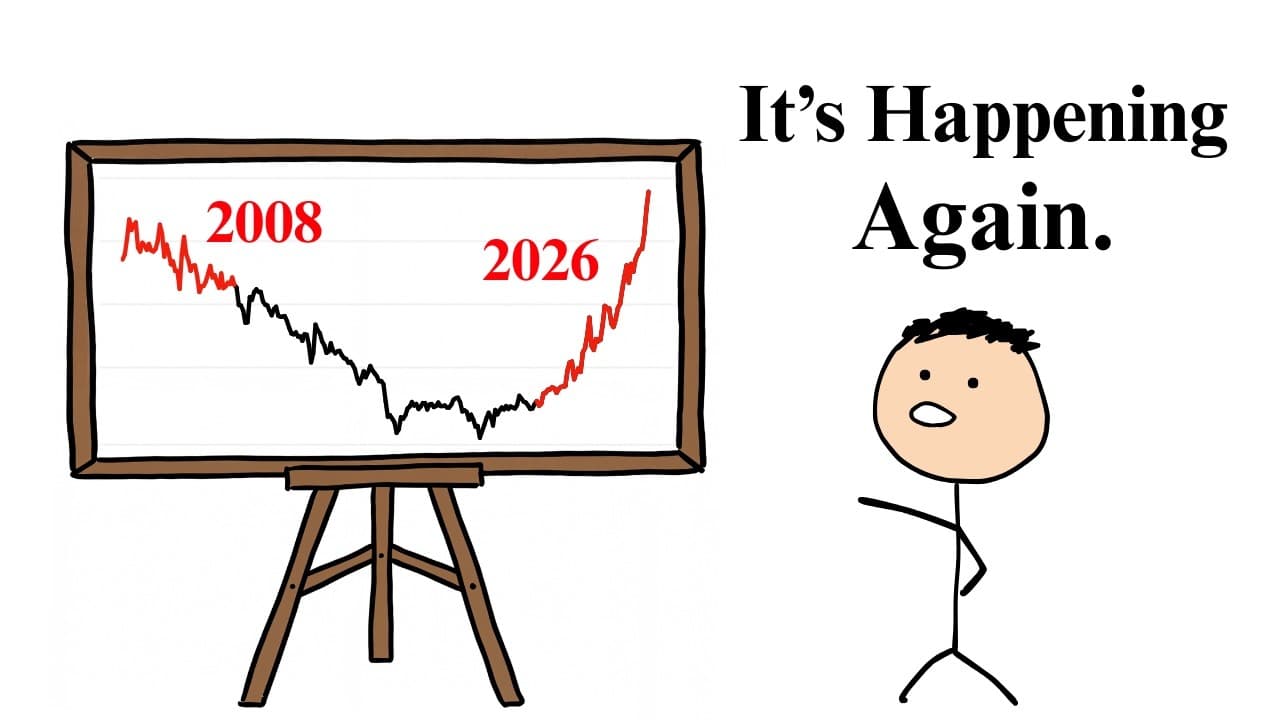
Japan’s rising interest rates could keep U.S. long-term yields and mortgage rates elevated even if the Federal Reserve cuts short-term rates. As Japanese investors reconsider foreign assets and unwind yen-funded trades, weaker demand for U.S. Treasuries may force yields higher, compress stock valuations, strain housing affordability, and increase corporate financing costs.
Transcript
The biggest risk to the United States economy was never the AI bubble. It was never China and it was never the orange man in the Oval Office. It's something much more boring and it's something you've likely never heard about unless you've gone deep down the finance rabbit hole. And that's exactly why nobody's paying attention to it. Because if you'... Read More
Key Insights
- Japan’s low-rate era followed the collapse of its asset bubble in the early 1990s, which was followed by decades with little growth, inflation, or wage expansion. The Bank of Japan responded with zero rates, negative rates, and yield curve control.
- Yield curve control capped Japan’s long-term government bond yields, leaving domestic bonds with almost no return. Japanese life insurers, pension funds, banks, and other investors consequently had strong incentives to seek higher-yielding investments in overseas markets.
- The yen carry trade works by borrowing yen at near-zero interest rates, converting the funds into another currency, and buying higher-yielding foreign assets. Its profitability depends on borrowing costs, foreign yields, currency-hedging expenses, and fees.
- Japanese capital became a major source of global liquidity because investors bought U.S. Treasuries, mortgage-backed securities, technology stocks, real estate, and emerging-market assets. Japan also became the largest foreign holder of U.S. Treasuries and the world’s largest net creditor nation.
- Japan’s 2024 monetary-policy shift challenged the carry trade because the Bank of Japan ended yield curve control and raised interest rates for the first time in 17 years. Higher yen borrowing and currency-hedging costs made foreign investments less attractive.
- Market volatility followed Japan’s second rate increase, with the S&P 500 falling 6% and the Nikkei 225 dropping more than 12% in one day. The Nikkei decline was described as its worst single-day fall since 1987.
- Long-term U.S. Treasury yields are driven largely by supply and demand, while the Federal Reserve directly controls short-term overnight rates. Reduced Japanese Treasury demand could therefore keep long-term yields elevated even when the Federal Reserve lowers its policy rate.
- Elevated long-term Treasury yields affect the broader economy because they provide a baseline for stock valuation models and mortgage pricing. Higher yields reduce the present value of future corporate cash flows, pressure valuation multiples, constrain housing affordability, and raise financing costs.
Install to Summarize YouTube Videos and Get Transcripts
Explore YouTube Video Summarizer or Get YouTube Transcript Extractor
Questions & Answers
Q: Why do Japanese interest rates affect the U.S. economy?
Japanese interest rates affect the U.S. economy because decades of near-zero domestic yields encouraged Japanese institutions and yen-funded investors to buy foreign assets, including U.S. Treasuries and mortgage-backed securities. When Japanese yields rise, borrowing and currency hedging become more expensive, foreign investments become less attractive, and capital may return to Japan. Reduced Treasury demand can push U.S. long-term yields higher.
Q: What is the yen carry trade and how does it work?
The yen carry trade involves borrowing money in yen at near-zero interest rates, converting that money into another currency, and investing it in assets offering higher returns. The transcript uses the example of buying a U.S. Treasury yielding 4% and keeping the remaining spread after hedging costs and fees. Investors also used this strategy for stocks, real estate, and emerging markets.
Q: Why did Japanese investors buy so many foreign assets?
Japanese investors bought foreign assets because Japanese government bonds yielded almost nothing under the Bank of Japan’s low-rate policies and yield curve control. Life insurers, pension funds, banks, and other investors could either accept little or no return domestically or seek higher yields overseas. Many selected the second option, directing substantial capital toward U.S. debt and other global investments.
Q: What changed in Japan's monetary policy in 2024?
In 2024, the Bank of Japan ended its yield curve control policy and raised interest rates for the first time in 17 years. It then raised rates again. These decisions broke the long-standing assumption that Japanese yields would remain near zero indefinitely. Higher rates increased yen borrowing costs and currency-hedging expenses, weakening the financial logic behind many carry trades and foreign investments.
Q: What is capital repatriation and why does it matter?
Capital repatriation is the return of money previously invested abroad to its home country. In this case, rising Japanese yields can encourage Japanese investors to move funds back to Japan because domestic assets become more attractive while foreign investments become costlier to finance and hedge. This matters because Japan had been a large, consistent buyer of U.S. Treasuries and other overseas assets.
Q: Why can mortgage rates stay high after Federal Reserve cuts?
Mortgage rates can remain high because they are largely anchored to long-term Treasury yields, while the Federal Reserve directly controls short-term overnight rates. If global demand for Treasuries weakens, long-term yields may stay elevated even as the federal funds rate falls. The result can be persistently expensive mortgages, strained housing affordability, muted refinancing, and slower home transactions.
Q: How do rising Treasury yields affect stock valuations?
Rising long-term Treasury yields affect stocks because analysts use long-term rates as a baseline when discounting expected future cash flows. When that baseline rises, the present value of future corporate cash flows falls. Stocks may therefore trade at lower valuation multiples even if company earnings remain healthy, which helps explain why markets can become unstable without an obvious deterioration in headline economic news.
Q: Why could weaker Japanese demand raise U.S. Treasury yields?
Weaker Japanese demand could raise Treasury yields because the United States must continually find buyers for large amounts of newly issued debt while running annual trillion-dollar deficits. Japan has historically been a consistent buyer of long-term Treasuries. If that demand declines, yields may need to rise to attract replacement buyers, creating a steeper yield curve and tighter financial conditions across markets.
Summary & Key Takeaways
-
Japan’s decades of minimal growth, inflation, and wage expansion led the Bank of Japan to impose near-zero or negative rates and cap long-term bond yields. Because domestic government bonds offered almost no return, Japanese insurers, pension funds, banks, and other investors moved capital abroad in search of higher-yielding assets.
-
The yen carry trade used inexpensive yen borrowing to finance purchases of higher-yielding foreign assets, including U.S. Treasuries, technology stocks, real estate, and emerging-market investments. This activity became a major source of global liquidity, but it depended on Japanese yields and borrowing costs remaining near zero for an extended period.
-
Japan’s 2024 policy shift weakened the economics of yen-funded investing and encouraged capital repatriation. If Japanese demand for U.S. Treasuries declines while the United States continues issuing debt to fund annual trillion-dollar deficits, long-term yields may remain elevated, affecting stock valuations, mortgages, housing activity, and corporate credit conditions.
Read in Other Languages (beta)
Share This Summary 📚
Summarize YouTube Videos and Get Video Transcripts with 1-Click
Try YouTube Summary with ChatGPT & Claude or YouTube Transcript Generator
Explore More Summaries from Casual Finance 📚


Summarize YouTube Videos and Get Video Transcripts with 1-Click
Try YouTube Summary with ChatGPT & Claude or YouTube Transcript Generator