How does America’s debt crisis affect households?
TL;DR
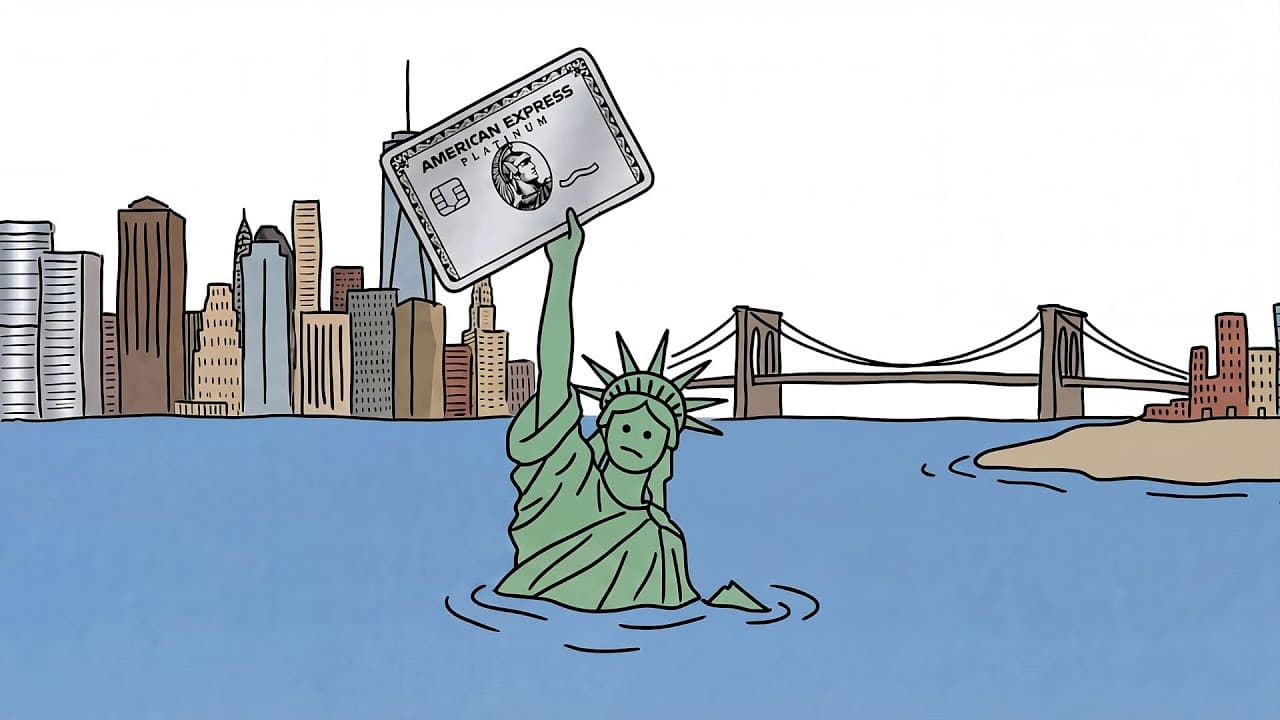
America is deeply in debt at both national and household levels, and this growth is financed by borrowing rather than real economic gains. The video breaks down housing versus non housing debt, explains why rising interest costs matter, and exposes how new lending tech like buy now pay later can mask underlying fragility.
Transcript
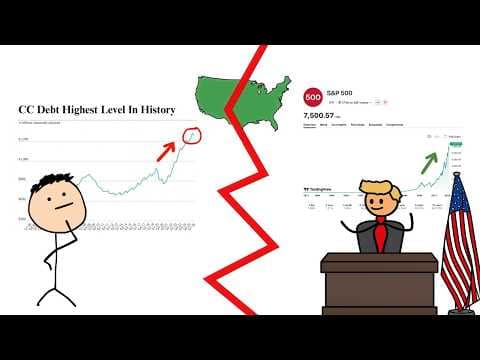
The United States economy, everything seems to be going great. The stock market's at an all-time high. The Federal Reserve's inflation strategy seems to be working. And Arby's just released steak nuggets. On the surface, life is good. But underneath, there's trouble brewing. Because while everyone's busy debating the next interest rate cut or wheth... Read More
Key Insights
- The national debt has crossed 38 trillion dollars, establishing record levels as of the video's narrative.
- Interest payments now consume about one trillion dollars per year, making debt service the fastest growing expense in the federal budget.
- Household debt totals around 18.6 trillion dollars, representing a systemic risk across consumers and families.
- Mortgage debt remains the largest housing debt category, totaling a record level that drives overall housing liabilities.
- Non housing debt includes student loan and credit card debt, which have seen escalating balances and rising delinquencies.
- Student loan debt totals 1.7 trillion dollars with 44 million Americans owing money, highlighting vulnerability if delinquencies rise.
- Credit card debt exceeds 1 trillion dollars with delinquency rates spiking and interest rates on cards over 21 percent.
- Buy now, pay later options are expanding, with significant usage and regret rates, contributing to debt exposure without traditional collateral or transparency.
Install to Summarize YouTube Videos and Get Transcripts
Explore YouTube Video Summarizer or Get YouTube Transcript Extractor
Questions & Answers
Q: What is the scale of the national debt and how has it changed recently?
The national debt has surpassed 38 trillion dollars, marking a record high. The video points out that this level creates a heavy burden through interest payments, which have increased the cost of debt service dramatically. This dynamic is presented as a central feature of the broader debt crisis, affecting budget priorities and economic stability.
Q: How much does the United States spend annually to service debt?
According to the transcript, the United States spends about one trillion dollars each year just to service interest on the national debt. This level of expense has grown rapidly, making debt service the fastest rising component of the federal budget and a key indicator of fiscal stress that competes with funding for defense, security, and other programs.
Q: What is the size of total household debt in the United States?
Total household debt is reported as roughly 18.6 trillion dollars, a high-water mark that signals widespread financial vulnerability among consumers. The video emphasizes that while national debt grows, ordinary Americans carry substantial liabilities that can amplify economic shocks through higher borrowing costs and potential delinquencies.
Q: Which housing debt category makes up the bulk of housing liabilities?
Mortgage accounts constitute the main body of housing debt. They include long term loans like first mortgages, refinancings, and home equity installment loans. These are classified as closed end loans and form the majority of both housing debt and total household debt, highlighting the leverage homeowners carry.
Q: What risks are associated with student loan debt?
Student loan debt totals about 1.7 trillion dollars with approximately 44 million Americans owing money. Delinquency rates have risen from under 1 percent to over 9 percent recently, and unlike many other debts, student loans are not easily discharged in bankruptcy, which keeps this debt in play even during economic downturns.
Q: How has credit card debt evolved and what are delinquency trends?
Credit card debt has topped 1 trillion dollars and delinquency rates have climbed to above 12 percent, the highest since the 2008 financial crisis. The video notes that rising inflation and costs outpace wages, contributing to more Americans falling behind on credit card payments and facing higher compound interest.
Q: What is the impact of buy now pay later on consumer debt?
Buy now, pay later options have become widespread, with about 15 percent of Americans using BNPL in 2024. Regret rates are high, around 40 percent, and late payments are rising to 24 percent from 18 percent in the prior year. This suggests BNPL adds to debt exposure without traditional safeguards.
Q: Why does the video argue the economy looks strong on the surface but is actually fragile?
The video contends that headlines about stock market highs and strong consumer spending mask underlying debt dynamics. The combination of national and household debt, rising interest costs, delinquencies, and new lending schemes creates a fragile financial foundation that could undermine apparent growth and stability over time. The debt is described as quiet and gradual but persistent.
Summary & Key Takeaways
-
The video explains that the national debt has surpassed 38 trillion dollars and that interest payments alone total about a trillion dollars annually, which eclipses other budget priorities. This framing shows debt service as a dominant, growing expense.
-
Household debt has surged to 18.6 trillion dollars, with mortgage debt making up the bulk of housing debt and non housing debt including student loan and credit card balances, revealing a broad, debt driven consumption pattern.
-
The piece argues that the economy appears strong due to stock market and spending data, but the debt based underpinnings and rising delinquencies signal systemic risks that could affect future growth and financial stability.
Read in Other Languages (beta)
Share This Summary 📚
Summarize YouTube Videos and Get Video Transcripts with 1-Click
Try YouTube Summary with ChatGPT & Claude or YouTube Transcript Generator
Explore More Summaries from Casual Finance 📚


Summarize YouTube Videos and Get Video Transcripts with 1-Click
Try YouTube Summary with ChatGPT & Claude or YouTube Transcript Generator