What Causes Trauma to Fuel Illness and Addiction?
TL;DR
Trauma creates lasting imprints that influence health beyond isolated events. The discussion explains big and small traumas, the toxic culture that amplifies harm, and how unmet needs shape development. Healing involves recognizing these imprints, bridging science and practice, and addressing culture to reduce illness, addiction, and suffering.
Transcript
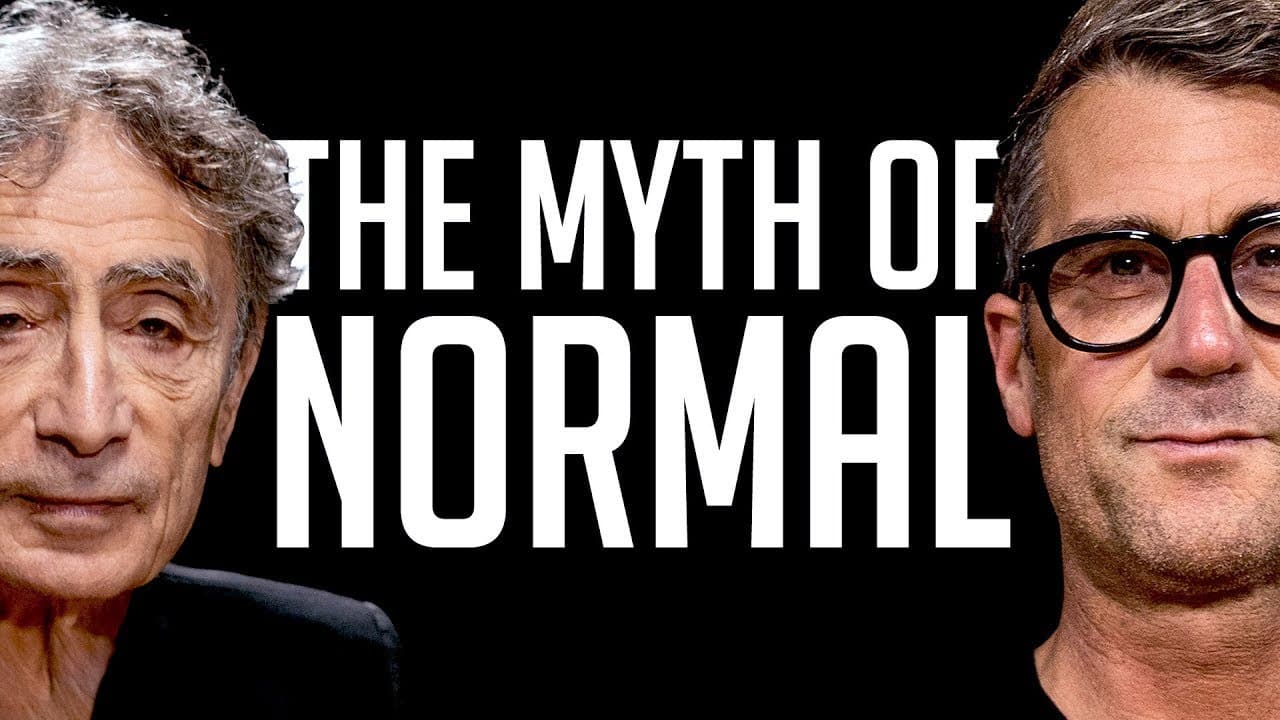
More and more people are getting sick, more addicted, more people are dying of overdoses. My guest today, returning for his second appearance on the show, is Dr. Gabor Maté. The problem in our society is there's very little that actually promotes healing, and there's very much that undermines it. He's an expert in a wide range of topics, but is mos... Read More
Key Insights
- Trauma is a wound that persists and can recur in adulthood.
- The culture we inhabit acts as a toxic medium affecting health and development.
- Trauma is not just big events; small t traumas from unmet needs also shape outcomes.
- There is strong evidence that emotion and environment influence biology across systems.
- Medical education often lacks dedicated trauma training.
- Trauma can alter brain function, influencing behavior in the present.
- Addiction and autoimmune diseases have links to early trauma and cultural context.
- Healing requires acknowledging trauma imprints and changing responses rather than denying them.
- More videos from this channel:
- More from this channel: Rich Roll
Install to Summarize YouTube Videos and Get Transcripts
Explore YouTube Video Summarizer or Get YouTube Transcript Extractor
Questions & Answers
Q: How does trauma influence illness and addiction according to the discussion?
Trauma acts as a wound that can imprint lasting patterns on the nervous system and behavior, influencing how a person responds to stress, which in turn can increase vulnerability to addiction and chronic illnesses. The dialogue emphasizes that unresolved wounds from early life, combined with cultural pressures and social conditions, contribute to health outcomes across multiple systems, shaping risk and resilience patterns over time.
Q: What is the difference between big T Trauma and small t trauma?
Big T Trauma refers to major, catastrophic events such as wars or severe abuse that clearly wound a person. Small t trauma, by contrast, arises from everyday experiences where essential needs are not met, leading to lasting emotional wounds. Both forms shape attachment, coping strategies, and later health outcomes, though their manifestations may differ in intensity.
Q: Why is the concept of a toxic culture important to health, according to the podcast?
The podcast argues that culture functions like a culture medium for organisms, and when the culture is toxic, it fosters widespread illness, addiction, and mental distress. This means societal values, upbringing, and expectations contribute physiologically to health problems, not just individual biology, highlighting the need for societal change to improve health outcomes.
Q: What gap exists between science and medical practice in treating trauma, based on the discussion?
There is a gap between trauma science and clinical practice because medical education often lacks trauma-focused training, leaving doctors ill-equipped to diagnose or treat trauma-related effects. The conversation notes that many physicians are themselves traumatized by training, which further hinders their ability to apply trauma-informed care in patient interactions.
Q: How does the book The Myth of Normal relate to the podcast discussion?
The Myth of Normal is presented as exploring the true causes of illness and pathways to health within a toxic culture. The book and discussion connect trauma, culture, and disease by arguing that society and environment shape health outcomes as much as biology, urging a shift toward holistic understanding and healing.
Q: What role do unmet emotional needs play in trauma, according to the talk?
Unmet emotional needs are a form of trauma that can wound development similarly to more overt harms. The podcast explains that not meeting basic needs can imprint lasting patterns, influencing attachment, emotional regulation, and later behavior, thereby contributing to health problems and maladaptive coping mechanisms.
Q: How can healing from trauma be achieved according to Dr. Maté?
Healing involves recognizing traumatic imprints, understanding their influence on current behavior, and developing strategies to respond to triggers in the present. It also requires addressing the broader cultural and relational contexts that sustain harm, integrating personal work with changes in social and medical practices to support healthier development and well-being.
Q: What is the relationship between trauma and immune or autoimmune conditions discussed in the podcast?
The discussion suggests trauma has broad physiological effects that can influence the immune system and the development of autoimmune conditions. By shaping stress responses, hormones, and inflammatory processes, trauma interacts with biology to increase susceptibility to autoimmune issues, illustrating how emotional and environmental factors can translate into physical illness.
Summary & Key Takeaways
-
Trauma is defined as a wound that can persist and shape behavior long after the event, not only the event itself. Healing requires recognizing how imprints govern present reactions and how unmet needs contribute to lifelong patterns.
-
The culture we live in acts like a toxic medium that amplifies illness, addiction, and mental health struggles by shaping development and daily life. This viewpoint links societal factors to individual health outcomes.
-
Medical practice currently shows a gap between trauma science and clinical application, with inadequate training for doctors and a need for integrating trauma-informed care into everyday medicine to improve patient outcomes.
Read in Other Languages (beta)
Share This Summary 📚
Summarize YouTube Videos and Get Video Transcripts with 1-Click
Try YouTube Summary with ChatGPT & Claude or YouTube Transcript Generator
Explore More Summaries from Rich Roll 📚

Summarize YouTube Videos and Get Video Transcripts with 1-Click
Try YouTube Summary with ChatGPT & Claude or YouTube Transcript Generator