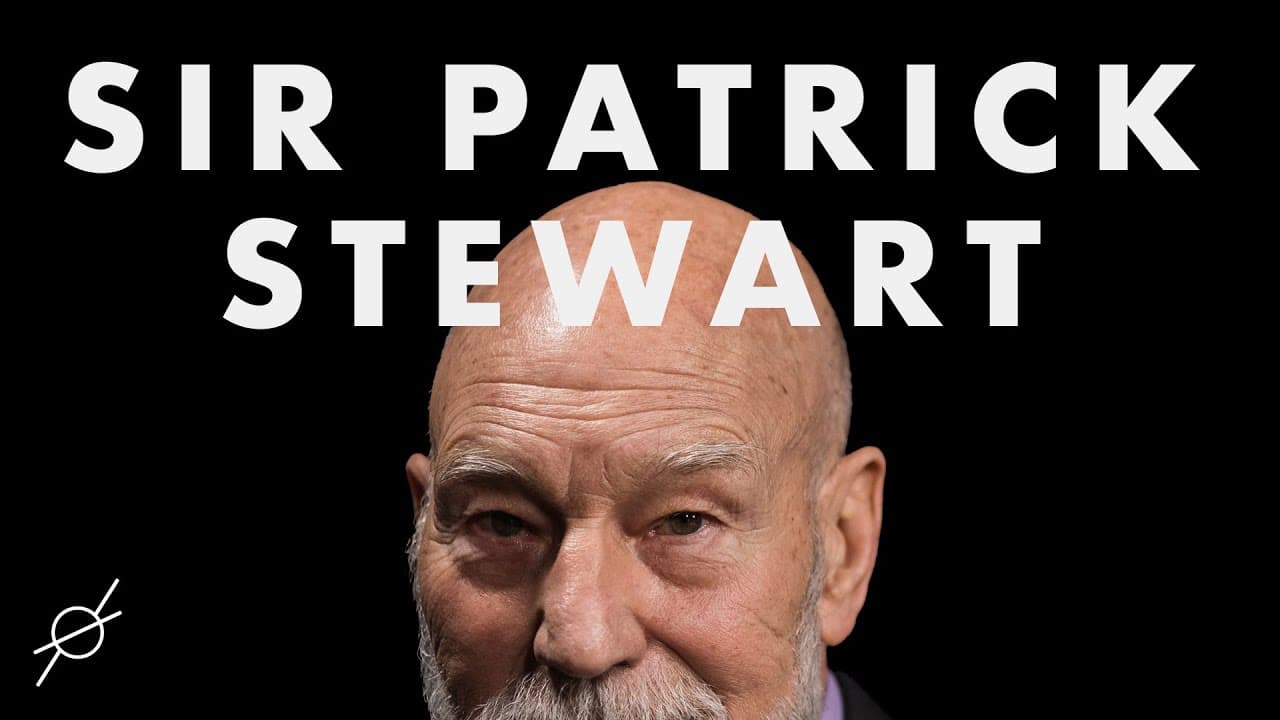
How did theatre save Patrick Stewart's life?
TL;DR
Theatre gave him a release from trauma and a path to purpose, channeling his energy into acting and later advocacy. He credits performance with saving his life by providing focus, connection, and a way to understand his anger, while therapy offered deeper insight and healing.
Transcript
on screen there are many great resonances about being an actor one of my first attractions to acting was that I could forget about Patrick Stewart to not be Patrick Stewart if only for a few hours a week was such a relief and there was a price to pay for that the knighted Shakespearean captain of Starship Enterprise international treasure and maste... Read More
Key Insights
- Theater acted as a lifeline by giving Patrick Stewart a concrete outlet for expression and a sense of belonging, which helped him survive a challenging childhood and turn toward craft and performance.
- The key to Stewart's resilience was a combination of relentless focus on acting and the emotional support he found through mentors, peers, and later therapy, which opened pathways to self understanding.
- Trauma shaped his career trajectory by pushing him toward roles and narratives that explored responsibility, empathy, and resilience, making performance a vehicle for healing and communication.
- Growth came from confronting his past with honesty, acknowledging anger as a real emotion tied to illness rather than personal failure, and seeking therapy to learn new listening and processing skills.
- Longevity in his career is tied to maintaining curiosity, staying connected to the craft, and protecting his well being through practices like mindfulness, mentorship, and advocacy for mental health.
- Compassion for his father grows from recognizing untreated illness and the impact of war like experiences on family dynamics, guiding his broader empathy and understanding.
- Friendships with peers like Ian McKellen illustrate how professional alliances can reinforce resilience, mentorship, and shared purpose beyond individual success.
- The memoir and public discussions extend his influence, showing how personal history can inform public advocacy and normalize conversations about mental health and trauma.
- More videos from this channel:
- More from this channel: Rich Roll
Install to Summarize YouTube Videos and Get Transcripts
Explore YouTube Video Summarizer or Get YouTube Transcript Extractor
Questions & Answers
Q: How did theatre serve as a coping mechanism for Patrick Stewart during his childhood
Theatre provided a means to escape the daily pain of a troubled home life by offering structure, focus, and a sense of belonging. It allowed him to channel intense emotions into performance, which helped him endure difficult moments and set a path toward a lifelong career in acting.
Q: What role did his father’s war experiences play in his life
His father’s military service and subsequent difficulties after the war contributed to an unstable home environment, including moments of violence and anger. Recognizing the impact of these experiences helps explain the roots of Stewart’s later emphasis on empathy, mentorship, and mental health awareness.
Q: When did Patrick Stewart begin therapy and why
Therapy began for him in the 1990s as a way to address long standing trauma and anger that dated back to his childhood. It provided a structured space to listen, reflect, and understand emotions, complementing his acting work with tools for healthier expression and growth.
Q: How did Stewart describe the influence of mentorship and friendships
Mentorship and friendships, including his long standing connection with peers like Ian McKellen, offered guidance, support, and a sense of community. These relationships helped sustain his career, provided perspective, and reinforced the value of collaboration, compassion, and shared purpose.
Q: What does Stewart say about the impact of trauma on his career
Trauma shaped his career by directing him toward roles and narratives that explore resilience, responsibility, and empathy. It also fueled a commitment to learn, grow, and help others through public discussions and advocacy focused on mental health.
Q: How does he view aging and longevity in a demanding profession
He views longevity as sustained by ongoing engagement with the craft, curiosity, and staying plugged into meaningful work, while maintaining mental well being through mentorship, reflection, and supportive communities.
Q: What is the significance of Patrick Stewart’s public advocacy for mental health
Advocacy extends his influence beyond acting, using personal experience to destigmatize mental health issues, encourage therapy and dialogue, and offer hope to others facing trauma. It demonstrates how personal history can drive public service and compassionate leadership.
Q: What lessons does he share about dealing with anger and seeking help
He emphasizes that anger can be a real, meaningful emotion tied to illness or trauma, not a personal failing. Seeking help through listening, therapy, and support networks provides practical strategies to understand and manage it, enabling healthier relationships and a more constructive life.
Summary & Key Takeaways
-
The narrative shows theatre as a lifeline, providing structure, focus, and meaning that helped Patrick Stewart cope with a troubled upbringing and trauma, ultimately shaping a long, impactful career.
-
Therapy emerged later as a tool for listening and processing emotions, allowing him to address anger and childhood wounds with professional guidance.
-
Friendships, mentorship, and a commitment to mental health advocacy extended his influence beyond acting, illustrating how personal history informs public purpose.
Read in Other Languages (beta)
Share This Summary 📚
Summarize YouTube Videos and Get Video Transcripts with 1-Click
Try YouTube Summary with ChatGPT & Claude or YouTube Transcript Generator
Explore More Summaries from Rich Roll 📚





Summarize YouTube Videos and Get Video Transcripts with 1-Click
Try YouTube Summary with ChatGPT & Claude or YouTube Transcript Generator