How to Build True Mental Toughness in Sports?
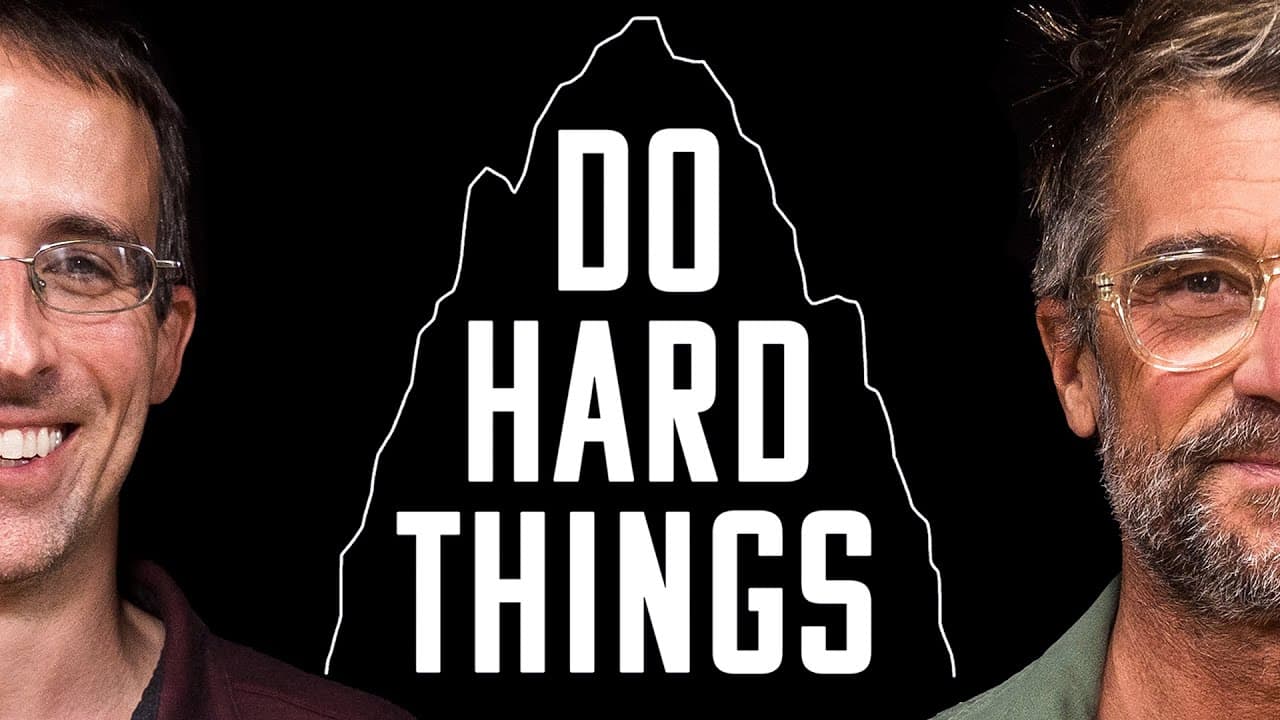
TL;DR
True toughness comes from autonomy and the joy of pursuing a goal, not just hard training. The approach blends hard work with agency, allowing athletes to shape their paths and stay resilient when challenges arise. Leaders should foster independence, provide meaningful challenges, and separate identity from performance to sustain long term growth.
Transcript
(upbeat music) (light music) The easiest way to make an athlete worse is to take away autonomy. Your most important job is not to get them faster or whatever have you, it's to develop the joy of whatever pursuits they're doing. And if you can do that, like the rest takes care of itself. (upbeat music) You can be good. To be good you have to put in ... Read More
Key Insights
- Autonomy is the easiest way to avoid making an athlete worse, as it preserves motivation and engagement.
- Joy in pursuit is a core driver of performance resilience, not just physical training loads.
- Hard work remains essential, but its quality and context determine toughness more than volume alone.
- Rarely pushing to human limits can prevent burnout and teach sustainable coping strategies.
- Agency allows athletes to navigate challenges without losing identity to performance highs and lows.
- Leadership should focus on developing mental skills and autonomy rather than micromanaging routines.
- The environment around training significantly shapes whether toughness becomes a durable trait or a temporary state.
- Transparency about past experiences, including whistleblowing or ethical decisions, can reinforce trust and long term growth.
- More videos from this channel:
- More from this channel: Rich Roll
Install to Summarize YouTube Videos and Get Transcripts
Explore YouTube Video Summarizer or Get YouTube Transcript Extractor
Questions & Answers
Q: What is true mental toughness and how is it developed?
True mental toughness is developed by combining autonomy with the joy of pursuing goals and by protecting athletes from identity crises tied to performance. It requires creating environments where athletes can take ownership of their training, decisions, and strategies, while still being guided by skilled mentors. This approach builds resilience through meaningful challenges, reflective practice, and continual learning, rather than through sheer volume of work alone.
Q: Why is autonomy so important for athletes according to the discussion?
Autonomy matters because it preserves motivation and prevents burnout. When athletes feel they control their path, they stay engaged and committed even when facing setbacks. Autonomy also encourages experimentation with different strategies, fosters problem solving, and helps athletes develop a sense of self at the center of their sport rather than their outcomes alone.
Q: How should coaches balance hard work and recovery in building toughness?
Coaches should structure training to include a lot of accessible, easy work alongside strategic hard efforts. The key is to rarely push to the limit, using hard efforts purposefully and with clear purpose. This balance supports cardiovascular and mental adaptation while maintaining motivation, reducing injury risk, and allowing recovery to reinforce learning.
Q: What role does leadership play in developing true toughness?
Leadership plays a central role by creating environments that empower athletes to own their development, provide honest feedback, and model resilience. Leaders should guide goal setting, facilitate skill development, and protect athletes from identity disruptions during failures. This approach builds trust and sustains growth over time.
Q: How does a healthy mind body spirit approach contribute to performance?
A healthy mind body spirit approach connects physical training with mental skills, emotional regulation, and purpose. It emphasizes balanced routines, self compassion, and alignment of values with goals. This holistic stance improves consistency, reduces stress, and enables athletes to perform under pressure while maintaining well being.
Q: What did Steve Magness learn from his own running career that informs his advice?
Magness learned that narrowly focusing on one goal can make performance and identity too fragile. He realized the danger of tying self worth to results and the importance of autonomy and balance. This insight informs his emphasis on sustainable training, psychological skills, and leadership that supports long term growth rather than short term outcomes.
Q: How does sharing personal experiences like whistleblowing affect an athlete or coach?
Sharing personal experiences such as whistleblowing can build trust and demonstrate ethical commitments. It shows a leader who prioritizes integrity and the greater good over personal gain, which strengthens team culture. Such transparency also provides learning opportunities, helping others understand the complexities of decision making under pressure.
Q: What practical steps can an athlete take to develop true toughness today?
Athletes can start by defining their own goals, selecting a few meaningful metrics for progress, and seeking autonomy in training decisions where possible. They should schedule regular reflection on what works, embrace purposeful hard efforts with clear intent, and cultivate mental skills like self talk, delay of gratification, and stress management to support consistent performance.
Summary & Key Takeaways
-
This point explains that autonomy is essential for true toughness and that giving athletes control over their training and goals can prevent burnout and improve resilience. It highlights the link between joy in the pursuit and sustained effort.
-
The second point outlines how to balance easy and hard work, with rare instances of pushing to extreme fatigue, to maintain health and motivation while building toughness.
-
The third point emphasizes the role of leadership in enabling resilience by creating environments where athletes can take ownership, learn from setbacks, and develop mental skills that support performance under pressure.
Read in Other Languages (beta)
Share This Summary 📚
Summarize YouTube Videos and Get Video Transcripts with 1-Click
Try YouTube Summary with ChatGPT & Claude or YouTube Transcript Generator
Explore More Summaries from Rich Roll 📚

Summarize YouTube Videos and Get Video Transcripts with 1-Click
Try YouTube Summary with ChatGPT & Claude or YouTube Transcript Generator